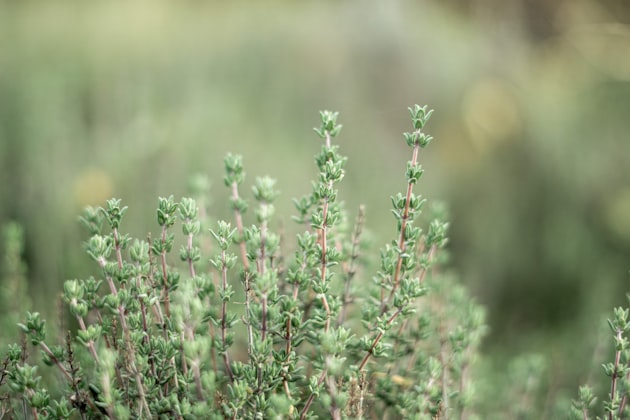
Common Thyme
Thymus vulgaris
Extracted by steam distillation from the sommita flowering of Thymus vulgaris L. (thyme common, thym commun), small plant arbustive perennial of the Lamiaceae typical of the macchia mediterranea, widespread on soils calcarei assolati dto the Iberia to the Middle East. Among the plants medicinal more antiche of Europe: gia Dioscoride and Plinio descrivono the sue properties. The thyme presenta numerous chemotypes geografic radically different: CT thymol (Morocco, Tunisia — the more commercializzato), CT carvacrol (Sardinia, Turkey), CT linalool (Provence montana — the more safe), CT alpha-terpineol (montagna marocchina) and CT geraniol (rare localita French). The CT thymol has profile dominated from thymol (30-60%) and para-cimene (15-30%) with gamma-terpinene. The thymol and among the more powerful antibacterial fenolic natural conosciuti: active on MRSA, Candida albicans, biofilm and batteri multiresistent to the antibiotic. Requires diluition severa (max 0.5%) for causticita skin and mucosal of the phenols. In aromatherapy and used as antibacterial, antiviral, immune-stimulating powerful and tonic general. Contraindicated during pregnancy, epilepsy and children small. Top note warm, timolic, phenolic and herbaceous.
Nativo of the Europe sud-western and of the Italy southern (Kew Gardens / POWO, pubblicato from Linnaeus in Species Plantarum, 1753). Widely cultivated in the Mediterranean basin, in particular Spain, France southern, Greece, Morocco and Italy. Grows spontaneo on slopes aridi and roccious calcarei up to to 1.500 m of altitude.
Flowering tops and leaves
Steam distillation
3 drops of Thyme CT thymol + 4 drops of Eucalyptus + 3 drops of Lemon. Diffuse 20 minutes every 2 hours in rooms chiusi during the months invernal or in case of cold and bronchitis.
2 drops of Thyme + 4 drops of Eucalyptus + 3 drops of Lavender + 2 drops of Rosemary in 30 ml of sweet almond oil. Massage onto chest and back twice a day in case of bronchitis or phlegm persistent.
1 drop of Thyme CT linalool (less irritating) + 1 drop of Tea Tree in a cucchiaino of honey, disciolto in 200 ml of lukewarm water. Gargarismi three times to day. Do not swallow.
Blends well with: