 Middle
Fabaceae
Middle
Fabaceae
Acacia
 Acacia
 Vachellia farnesiana
 Middle
Rosaceae
Middle
Rosaceae
Almond bitter
 Almond bitter
 Prunus dulcis var. amara
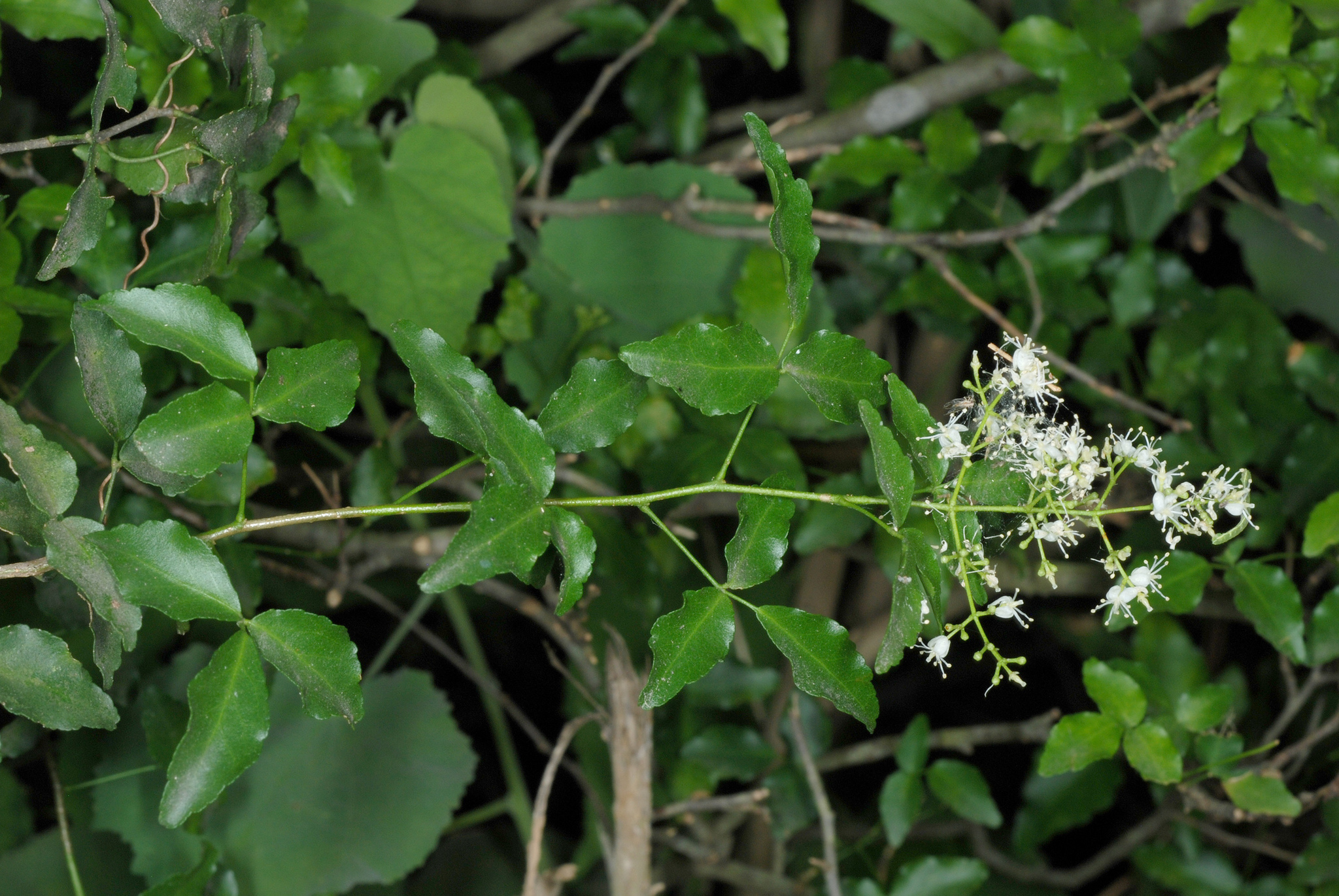 Base
Rutaceae
Base
Rutaceae
Amyris
 Amyris
 Amyris balsamifera
Extracted by steam distillation from the wood of Amyris balsamifera L., small tree of the Rutaceae native of the Mar of the Caraibi and of the America Central (Haiti, Cuba, Jamaica, Sud-Est of the States Uniti). AND noto also as 'sandalwood of the Caraibi' or 'wood of linden caraibic', denominations commercial improprie poiche not appartiene to the family of the Santalacee as the vero sandalwood. The phytochemical profile is dominated by sesquiterpenes alcoholic: valeriolo, 10-epi-γ-eudesmolo, α-eudesmolo and elemolo — all responsible of the aroma warm, boisé, slightly muschiato and vagaly simile to the sandalwood. L'oil of amyris and a fixative excellent in perfumery (frena the evaporation of the note of testa) and a emollient skin of quality. In aromatherapy and used as calming of the nervous system, as decongestant of the respiratory tract in use blando, as cosmetic for dry skin and mature. AND very less high-quality of the sandalwood but very less expensive — to alternative sustainable in the formulation. Base note warm, woody and muschiata.
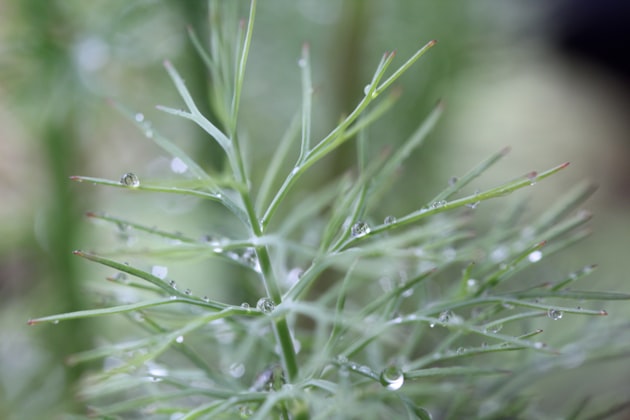 Middle
Apiaceae
Middle
Apiaceae
Aneto
 Aneto
Aneto Anethum graveolens
Extracted by steam distillation from the seeds mature or from the leaves fresh of Anethum graveolens L. (aneto, dill, aneth), plant herbaceous annual or biennal of the Apiaceae native of the Mediteraneo oriental and of the Asia sudoccidental, cultivated throughout the world as herb aromatic culinaria (fundamental in the kitchen scandinava, russa and of the Europe of the Est) and as plant medicinal. The seed of aneto and one of the protagonisti of the kitchen ashkenazita. The phytochemical profile varia among plant whole and seeds: the oil from the seeds and dominated from carvone (30-50%) and limonene (25-35%); the oil from the leaves (dill weed oil) contains more alpha-phellandrene (20-35%) and less carvone. The carvone of the aneto and the S-carvone (enantiomero levogiro) which has properties carminative upper to the R-carvone of the caraway (enantiomero destrogiro), pur avendo the stesso profile molecolare. The limonene contributes to the properties antiossidant and gastroprotettive. In aromatherapy the aneto and used as carminative sweet and galattogogo in the puerperio (tradition worldwide), digestive and antispasmodic intestinal, sedative moderate and as component aromatic in the preparations pediatric. Top note fresh, herbaceous-spicy, aneto and characteristic.
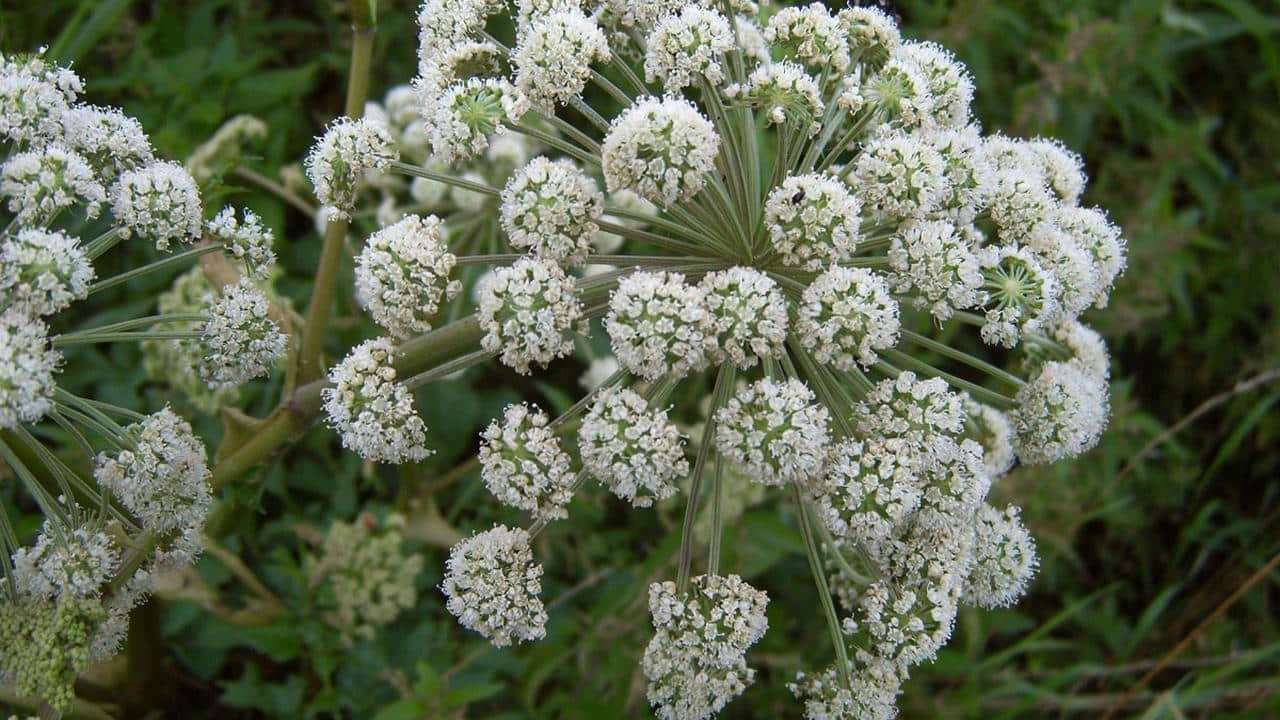 Middle / Base
Apiaceae
Middle / Base
Apiaceae
Angelica (root)
 Angelica (root)
 Angelica archangelica
Extracted by steam distillation from the roots dried of Angelica archangelic L. (angelic vera, angelic arcangelo), plant herbaceous biennal or perennial of breve durata of the Apiaceae widespread in the areas wet and fresh of the Northern Europe and of the Asia, celebre in the fitoterapia traditional nordeuropea — the plant era considered sacra to the Arcangeli (of which porta the name) and used as remedy panaceic against the peste and the diseases infectious in the Medioevo. The phytochemical profile and ricco in furanocumarine (angelicina, bergapten, xantotossina) — responsible of the STRONG photosensitization skin — monoterpenes (α and β-phellandrene), sesquiterpenes and lattoni terpenic. In aromatherapy and used as tonic nervous and adattogeno, stomachic bitter, expectorant, carminative and antispasmodic. AVVERTENZA CRITICA: the oil of root of angelic and one of the more fotosensibilizzant of the whole aromatherapy; not esporre mai the skin trattata to the sun or to raggi UV for at least 12 hours. Heart note-base warm, earthy, honeyed and muschiata.
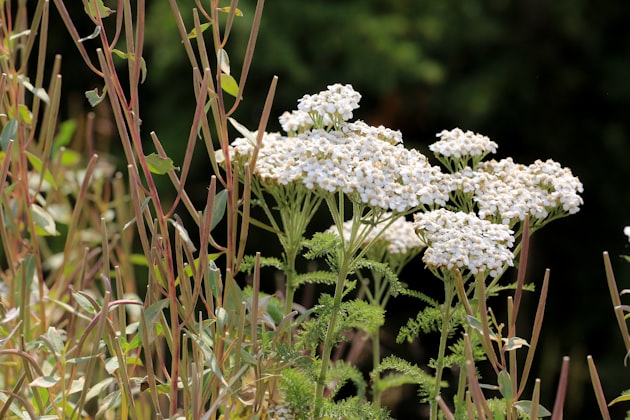 Middle / Top
Apiaceae
Middle / Top
Apiaceae
Anise green
 Anise green
 Pimpinella anisum
Extracted by steam distillation from the seeds mature of Pimpinella anisum L. (anise green, anise, anise), plant herbaceous annual of the Apiaceae native of the Middle East and of the Mediterranean oriental (Egypt, Greece, Turkey), cultivated from millenni as spice and remedy medicinal in all the Mediterranean. Gia Pitagora ne consigliava the use for prevenire the epilepsy, and Dioscoride the usava as digestive. From not confondere with the anise stellato (Illicium verum) of origin Chinese, nonostant the fragrance simile dovuto to the common presence of trans-anethole. The phytochemical profile is dominated by trans-anethole (80-95%), with pseudo-isoeugenolo (2-metilbutirato: 1-4%), dianetolo and anisaldeide. The trans-anethole has properties estrogenic (fitoestrogeno blando), antispasmodic on the intestine and on the bronchi, carminative and galattogoghe. In aromatherapy and used as antispasmodic digestive (bloating, colic, sindrome of the intestine irritable), antitussive and broncodilatatore, galattogogo in the puerperio. Contraindicated during pregnancy, in children small, in epilepsy and in the patologie ormonal estrogeno-dipendent. Top note sweet, anisata and warm.
 Middle / Top
Schisandraceae
Middle / Top
Schisandraceae
Anise stellato
 Anise stellato
 Illicium verum
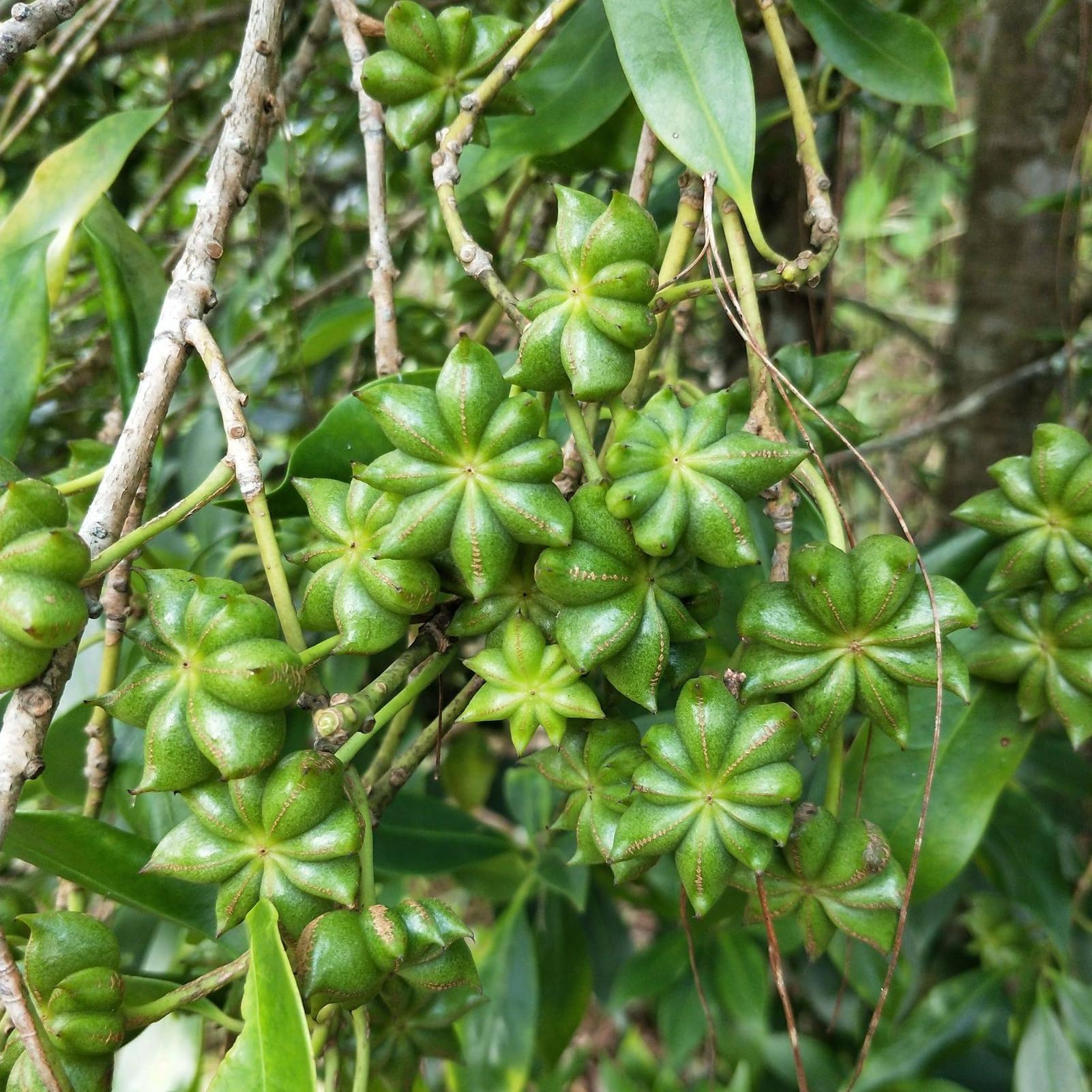
Extracted by steam distillation from the fruits (stellette) dried of Illicium verum Hook.f. (anise stellato, badiane, star anise), small evergreen tree of the Schisandraceae native of the China southern (Guangxi, Guangdong, Yunnan) and of the Vietnam northern, cultivated from millenni as spice fundamental in the medicina traditional Chinese and in the cucine asiatic. L'anise stellato and notorialy the main fonte industrial of acid shikimic, the materia first for the sintesi enzimatic of the oseltamivir (Tamiflu), the farmaco antiinfluenzal of riferimento. The phytochemical profile is dominated by trans-anethole (80-95%), the main responsible of the characteristic aroma anisato, with foeniculina, anisaldeide and limonene in traces. The trans-anethole has documented properties estrogenic (debole fitoestrogeno), antispasmodic on the muscolatura liscia gastrointestinal, powerful carminative and anti-inflammatory. Studies recenti document also activity antiviral diretta against flu TO and B. In aromatherapy and used as antispasmodic and carminative digestive powerful, antitussive and broncodilatatore sweet, secretolitic for the mucous membranes respiratory. Contraindicated during pregnancy, children small and epilepsy. Photosensitizing to concentrations high. Top note sweet, anisata and warm.
 Middle / Top
Asteraceae
Middle / Top
Asteraceae
Artemisia
 Artemisia
 Artemisia vulgaris
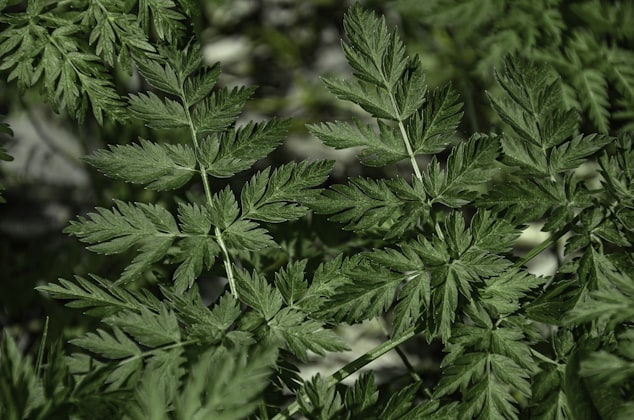
Extracted by steam distillation from the parts aeree flowering of Artemisia herba-alba Asso (artemisia white, white wormwood, armoise blanche), perennial herbaceous plant of the Asteracee widespread in the areas aride and steppic of the Nordafrica (Morocco, Algeria, Tunisia, Libia), of the Middle East and of the Asia central. L'artemisia white and the more widespread of the genus Artemisia in the regions arabe nordafricane, where and used as plant medicinal traditional for the colic, the fever and as antiparassitario. The phytochemical profile is dominated by beta-tuione (25-50%) and crisantenile-acetate (10-20%), with camphor (10-20%), sabinene and 1,8-cineole. The beta-tuione and a chetone monoterpenic with properties neurotossic and abortive to doses eccessive — simile to the alpha-tuione of the assenzio (Artemisia absinthium). L'artemisia white has documented activity antiparassitaria (antielmintic, antiprotozoaria) and antiviral. Contraindicated during pregnancy, epilepsy and in children. In aromatherapy and used with large caution as antiparassitaria, antifungal, antispasmodic and in low doses as tonic digestive. Heart-to-top note warm, canforata, aromatic and slightly assenzio.
 Base
Aristolochiaceae
Base
Aristolochiaceae
Asaro of the Canada
 Asaro of the Canada
 Asarum canadense
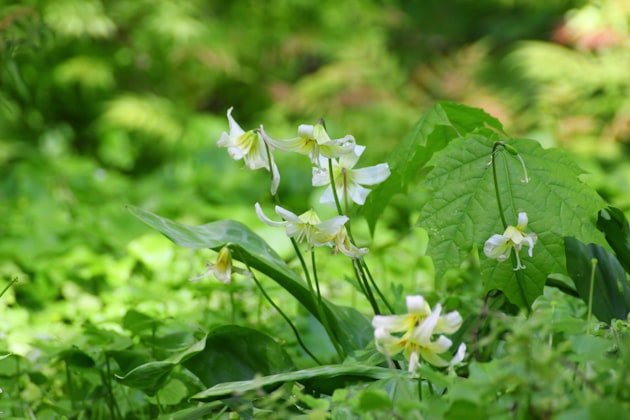
Extracted by steam distillation from the rhizomes of Asarum canadense L. (asaro of the Canada, wild ginger, snakeroot), plant rizomatous perennial of the Aristolochiacee native of the boschi decidui umidi of the North America oriental (Canada, States Uniti oriental), where and common in the sottobosco of aceri and betulle. Nonostante the name 'Canadian wild ginger', not has relation botanic with the ginger vero (Zingiber officinal). The phytochemical profile is dominated by methyleugenolo (30-50%), asarone (alpha and beta: 10-25%) and safrole (10-20%) — fenilpropanoidi with note genotossic documented. L'asarone beta and classificata as mutagenic dto the EFSA, and the safrolo and classificato as cancerogeno of gruppo 2B dto the IARC. L'use in aromatherapy of the asaro of the Canada and therefore estremaly limitato and controverso: in the traditions indigene nordamericane era used as contraccettive women's health, febbrifugo and for the pain of pancia. In aromatherapy moderna the its use and sconsigliato for via of the tossicita documented of the components maggioritari. Note characteristic: pungent, spicy, simile to ginger and pepper, with fondal legnous.
 Base
Pinaceae
Base
Pinaceae
Atlas Cedarwood
 Atlas Cedarwood
 Cedrus atlantica
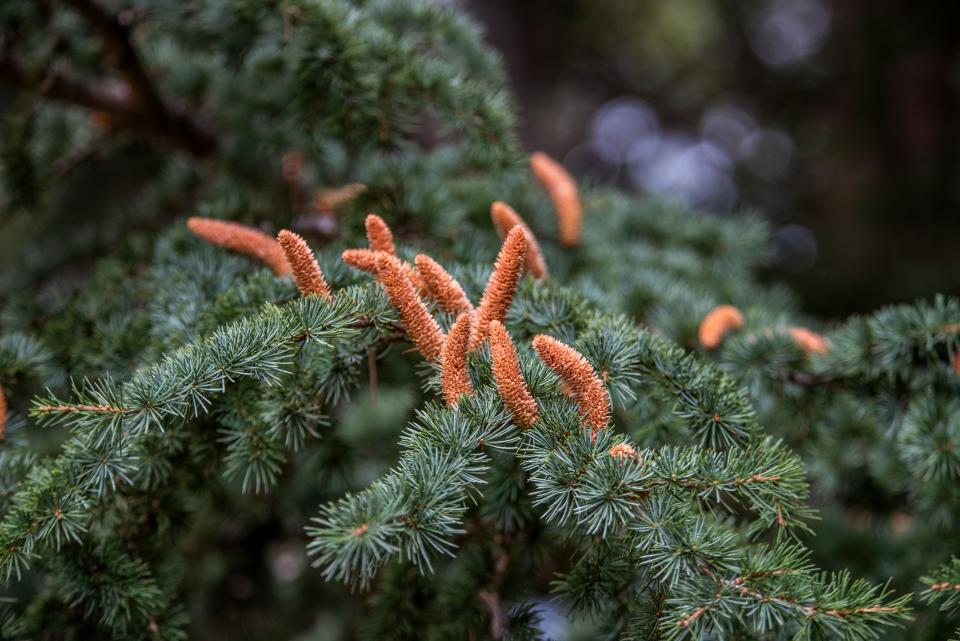
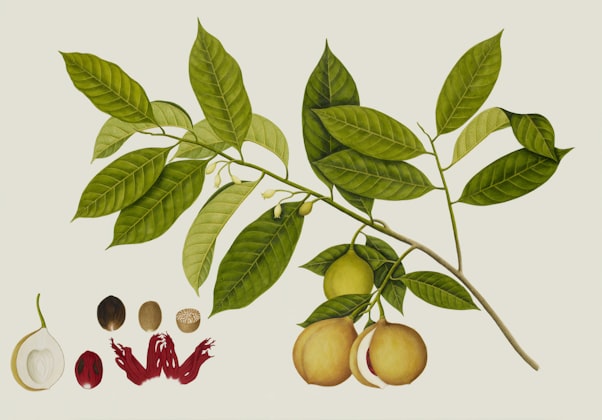
Extracted by steam distillation from the wood of Cedrus atlantic (Endl.) Carrière (cedarwood of the Atlante, Atlas cedarwood), conifera evergreen of the Pinaceae endemic of the rilievi of the Atlante in Morocco and Algeria (1.300-2.200 m on the livello of the mare), where forma forests relitte of large importanza ecologic and paesaggistic in the parchi nazional of Ifrane, Tazekka and Khénifra. The species is classificata vulnerable in the areale natural to cause of the pressione of the disboscamento, of the pascolo eccessive and of the cambiamento climatic which reduces the copertura nevosa winter; gran part of the oil commercial proviene today from piantagioni marocchine certificate gestite in modo sustainable. The phytochemical profile is dominated by β-himachalene (30-40%), α-himachalene (10-20%) and γ-himachalene, with himachalolo as main sesquiterpenoide alcoholic — sesquiterpenes esclusive of the genus Cedrus with action tonic-venosa, sedative and antifungal ben documented. In aromatherapy the cedarwood of the Atlante is the oil of choice for the support of the sistema venous and lymphatic (edemi, cellulite, legs pesanti, varici), sedative of the nervous system with effect grounding and meditative, antifungal for dermatofiti, repellent for insects and as fragrance woody-meditative of large persistenza. Base note warm, woody, dry and deeply stabilizing.
 Base
Fabaceae
Base
Fabaceae
Balm of the Perù
 Balm of the Perù
 Myroxylon balsamum var. pereirae
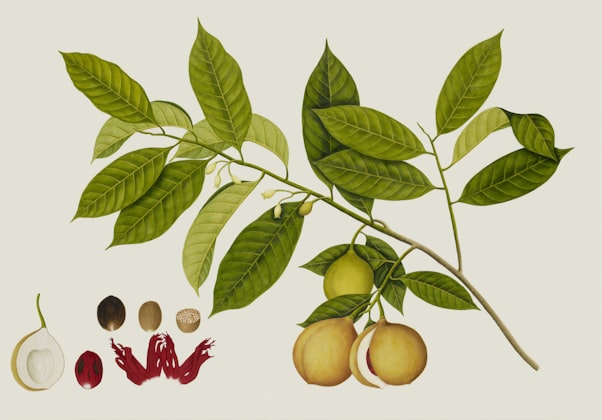
Obtained for extraction diretta — without solvent — from the bark incisa of Myroxylon balsamum var. pereirae (Royle) Harms (balm of the Perù, myroxylon), tree of the Fabacee native of the America Central, mainly of the Salvador and of the Honduras (the name 'of the Perù' is historic and fuorviant — the plant not proviene from the Perù). The harvested is effettuata for incisione of the bark after bruciatura, in a processo which reminiscent of the extraction of the gommalacca. The phytochemical profile is dominated by cinnamato of benzyl (40-70%) and benzoato of benzyl (15-30%), with vanillina, alcohol benzilic and acid benzoic — a composition rich in esters aromatic. The balm of the Perù is one of the components allergenic standard in the test epicutanei dermatologic (INCI: Myroxylon pereirae), classificato as sensitizing frequent. In aromatherapy it is used as agente healing, antiseptic skin and as fixative profumiero of altissima quality — the its aroma vanigliato-balsamic is a pilastro of the famiglie olfactory oriental. Contraindicated on the people with allergies to the esters benzoic. Base note warm, vanigliata and balsamic.
 Base
Fabaceae
Base
Fabaceae
Balm of the Tolu
 Balm of the Tolu
 Myroxylon balsamum var. toluifera
Obtained from the resin balsamic of Myroxylon balsamum (L.) Harms (balm of the Tolu, tolu balsam), large tree of the Fabacee native of the Venezuela northern (regione of Tolu, now in Colombia), where the incisioni praticate on the bark fanno fuoriuscire a resin balsamic liquida of colore yellow-brunastro which solidific to the air. The balm of the Tolu era gia noto in Europe in the XVI century as remedy for the conditions respiratory and as fragrance exotic of the Nuovo World, importato from the prime speditions spagnole. The phytochemical profile is dominated by benzoato of benzyl (20-35%), cannamato of benzyl (20-35%), benzyl-alcohol and acid benzoic — a combination of esters benzoic and cinnamic with properties balsamic, antisettic and cicatrizzant eccellent. The tolu has a fragrance warm, vanigliato-cinnamon with note of flowers bianchi. Fa part of the 'ingredient IFRA sensitizzant' for the risk of allergy in the people predisposti. In aromatherapy and used as expectorant balsamic, antiseptic of the mucous membranes bronchial, healing, antiallergic and as fixative balsamic oriental in perfumery. Base note warm, balsamic, vanigliata and sweet.
 Top
Lamiaceae
Top
Lamiaceae
Basil
 Basil
Basil Ocimum basilicum
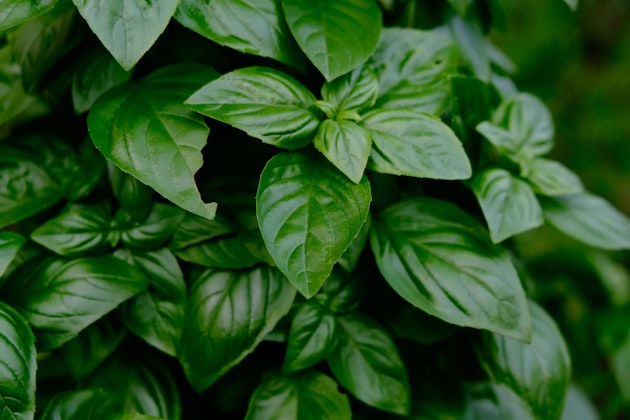
Extracted by steam distillation from the parts aeree flowering of Ocimum basilicum L. (basil, sweet basil, basilic), plant herbaceous annual of the Lamiaceae native of the Asia tropical (India, Africa tropical), cultivated in all the Mediterranean, in the Southeast asiatic and in America as herb aromatic culinaria fundamental. The basil presenta numerous chemotypes geografic with profili chimic radically different: CT European (estragolo/linalool), CT asiatic-tropical (metileugenolo dominant), CT cinnamato of methyl (East Africa), CT alpha-terpineol (Reunion). The CT European and quello most widely used in aromatherapy, with estragolo (metilchavicolo: 40-70%) and linalool (20-35%) as dominant. L'estragolo and classificato dto the EFSA as potenzial genotossic to doses high — use interno sconsigliato to concentrations alte; topical use diluted max 1% for adults. The linalool has properties ansiolitic and antispasmodic. In aromatherapy the basil European and used as antispasmodic for colic and spasms muscular, antispasmodic for headache nervous, antimigraine, digestive and tonic nervous. Top note green-herbaceous, spicy and sweet.
 Middle
Lamiaceae
Middle
Lamiaceae
Basil sacro
 Basil sacro
 Ocimum tenuiflorum
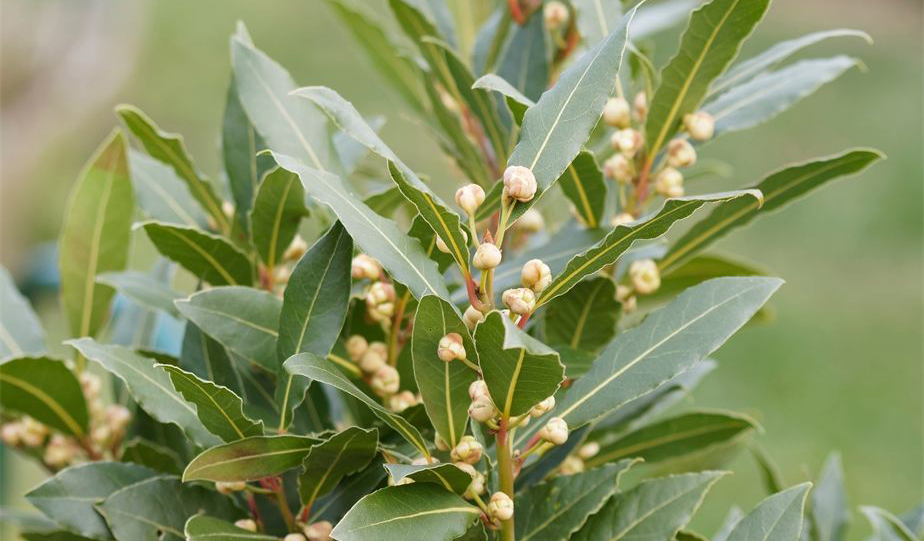
Obtained for solvent extraction (absolute) from the fresh flowers of Acacia dealbata Link (acacia dealbata, mimosa of argento) or of Acacia farnesiana (L.) Willd. (acacia odorous, cassie), trees of the Fabacee — the first native of the Australia sudoriental and naturalizzata in the Mediterranean, the seconda of origin tropical americano-africana. L'absolute of mimosa/acacia is one of the ingredient more prezious of the perfumery of Grasse, Nizza and of the Var French, where the harvested of the flowers has luogo from gennaio to marzo. The phytochemical profile is complesso: β-ionone (floral-violetto), anisaldeide, feniletanolo, geraniol, benzyl-alcohol, acid palmitic and fitolo — responsible of the fragrance warm, powdery, honeyed and slightly spicy characteristic of the acacia. In the tradition profumiera the fragrance of acacia/mimosa is classificato in the family olfattive 'floral powdery' and apprezzato for the its 'animality' discreta. In aromatherapy (use rare for the costo elevato) is used as antidepressant, aphrodisiac discreto and as tonic emotional in the practices of support psicologic. Heart note floral, polverous, honeyed and slightly spicy.
 Middle
Lauraceae
Middle
Lauraceae
Bay Laurel
 Bay Laurel
 Laurus nobilis
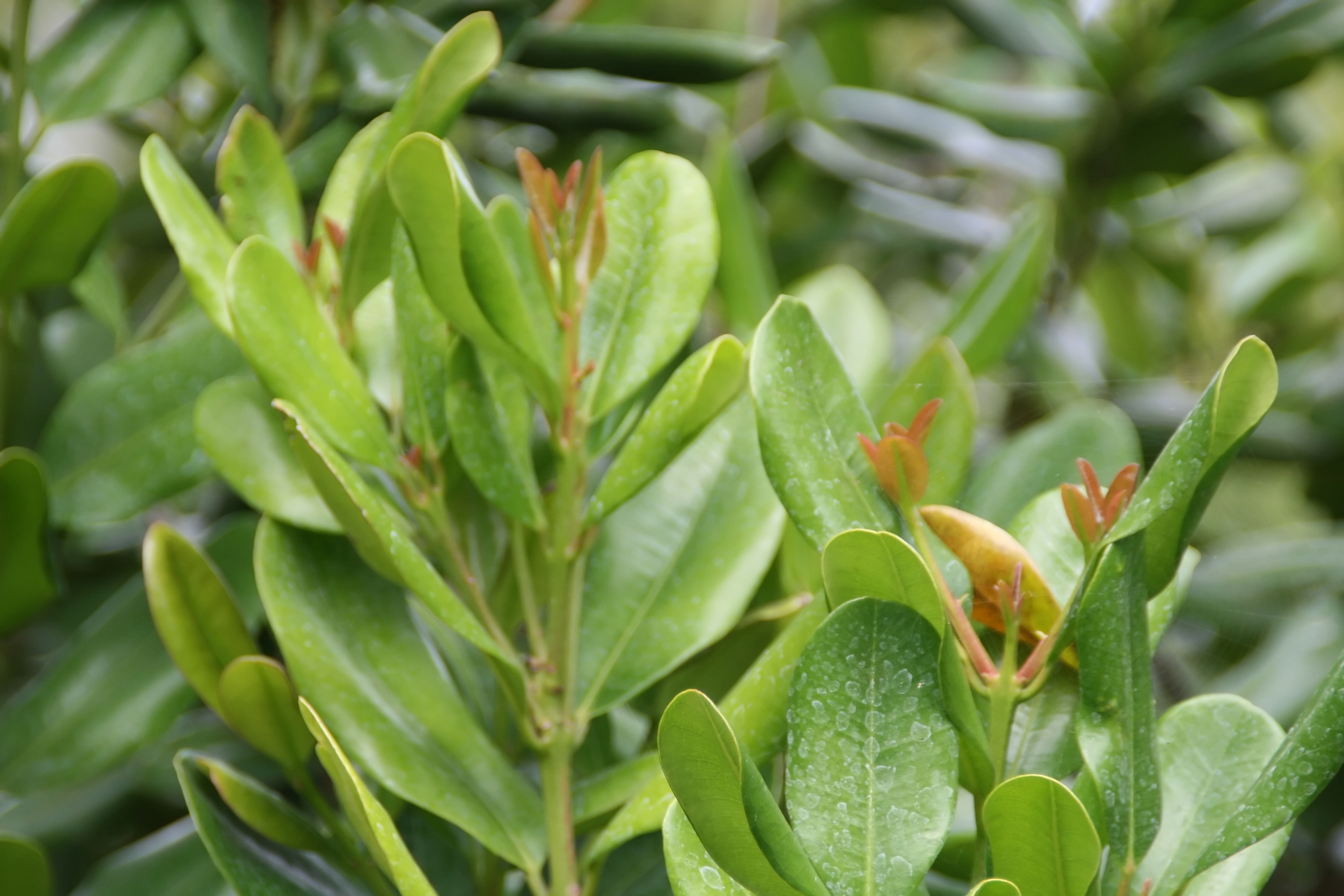
Extracted by steam distillation from the leaves of Laurus nobilis L. (bay laurel, lauro, bay laurel), evergreen tree of the Lauracee native of the Mediterranean and of the Asia Minor, plant aromatic and medicinal fundamental of the antichita classic. L'bay laurel era the plant sacra of Apollo in the mitologia greca, and the corona of bay laurel era the simbolo supremo of gloria and vittoria for the Romani — from which derives the termine 'laureato' or 'baccalaureato' (bacca of bay laurel). The phytochemical profile is dominated by 1,8-cineole (25-50%), alpha-terpinile-acetate (15-25%), eugenol (3-10%) and sabinene, with linalool, metileugenolo and beta-caryophyllene as components minor. The combination of cineole, eugenol and sabinene provides to the bay laurel a profile antiseptic, immune-stimulating and analgesic very broad compared to the other oils balsamic. The metileugenolo and classificato as potenzial genotossic dto the EFSA to doses high — topical use max 1%. In aromatherapy the bay laurel and used as antiseptic of the respiratory tract and of the skin, immune-stimulating of choice in the prevention winter, analgesic joint and muscular and tonic of the sistema lymphatic. Heart note balsamic, spicy and slightly eugenolata.
 Middle
Myrtaceae
Middle
Myrtaceae
Bay St. Thomas
 Bay St. Thomas
 Pimenta racemosa
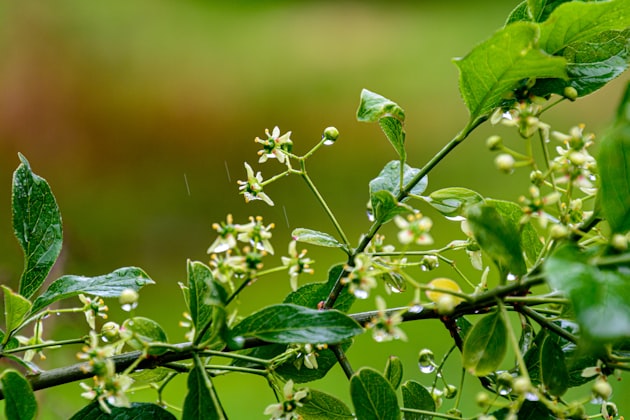
Extracted by steam distillation from the leaves of Pimenta racemous (Mill.) J.W.Moore (bay rum tree, bay, West Indian bay), tree of the Myrtaceae native of the Small Antille (Giamaica, Trinidad, Puerto Rico, Repubblica Dominicana), where grows in the forests pluvial montane. The bay rum tree and to the base of the traditional 'bay rum' of the Antille, a dopobarba/tonic capellare obtained for maceration of the leaves in the rum. From not confondere with the bay laurel European (Laurus nobilis, bay laurel) with which condivide the name common 'bay'. The phytochemical profile is dominated by eugenol (40-60%), myrcene (15-25%) and chavicolo (2-8%), with limonene, linalool and para-cimene. L'elevata concentration of eugenol provides to the bay eccellent properties analgesic locali (blocco of the channels of the sodio — stesso mechanism of the anestesia dental), antibacterial with broad-spectrum activity, antifungal and antiinfiammatorie. In aromatherapy and used as analgesic muscular and joint, antiseptic skin powerful, stimulating of the crescita of the hair, digestive and as base for perfumes speziati-legnous. Causticamente irritating: max 0.5% topical. Heart note warm, clove-like, spicy and robusta.
 Middle
Styracaceae
Middle
Styracaceae
Benzoino
 Benzoino
 Styrax benzoin
Obtained for extraction from the resin of Styrax benzoin Dryand. (benzoino of Sumatra) or of Styrax tonkinensis (Pierre) Craib ex Hartwich (benzoino of the Siam, benzoino of Tonkin), trees of the Stiracacee originari of the Southeast asiatic tropical (Sumatra, Laos, Vietnam, Cambogia). The incisioni praticate on the bark producono a resin lattiginous which solidific in grumi brunastri profumati. The benzoino and a of the resine sacre more antiche: used as fumigant purifying in Asia and as ingredient of the prime acque of Colonia europee. The phytochemical profile varia among the due species: the Siam and dominated from benzoato of cinnamile (60-70%) and acid benzoic (10-20%), with vanillina (1-2%); the Sumatra contains mainly benzoato of benzyl (40-60%) and acid cinnamic (10-20%), with a minor concentration of vanillina. The vanillina of the benzoino of the Siam and responsible of the note vanigliata characteristic and distinguible. In aromatherapy the benzoino and used as balm healing and antiseptic of the mucous membranes bronchial and orali, anti-inflammatory skin, sedative of the nervous system with effect consolant-riscaldant and as fixative vanigliato in perfumery oriental and ambre. Base note warm, vanigliata, balsamic and enveloping.
 Top
Rutaceae
Top
Rutaceae
Bergamot
 Bergamot
 Citrus bergamia
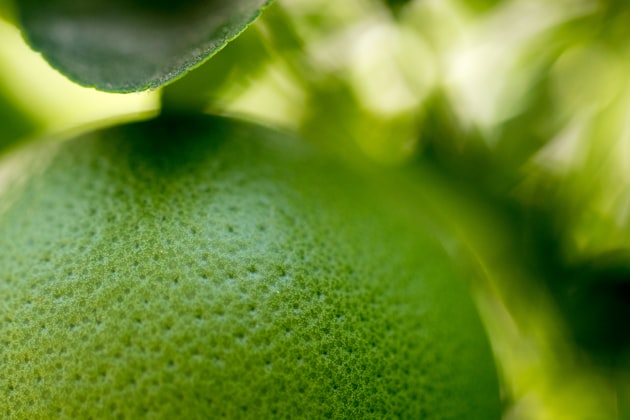
Extracted by cold pressing from the fruit peel of Citrus × bergamia Risso (bergamot), citrus fruit of the Rutaceae probably hybrid among bitter orange and lime, cultivated almost exclusively in the Ionian Calabria (province of Reggio Calabria), where produce the 90% of the production worldwide — a territorial specificity and cultural unique linked to the Ionian coastal microclimate, to the soil and to the traditional farming practices handed down from centuries. The bergamot is the key aromatic ingredient of tea Earl Grey and the iconic, instantly recognizable top note in the perfumes Eau de Cologne and Chypre. The phytochemical profile is dominated by d-limonene (35-50%), linalyl-acetate (15-35%) and linalool (5-15%), with β-pinene and γ-terpinene; the bergapten (5-metossipsoralene, a furanocoumarin) is responsible for the intense photosensitization — the oil FCF (bergapten-free) is bergapten-free for safe use on the skin. In aromatherapy is the anxiolytic and antidepressant of choice for the linalool and the linalyl-acetate, with documented GABAergic activity; mood tonic in the seasonal depression, antiseptic skin, digestive and carminative. Bright top note, floral-citrus and slightly balsamic.
 Base
Betulaceae
Base
Betulaceae
Birch
 Birch
Birch Betula alba
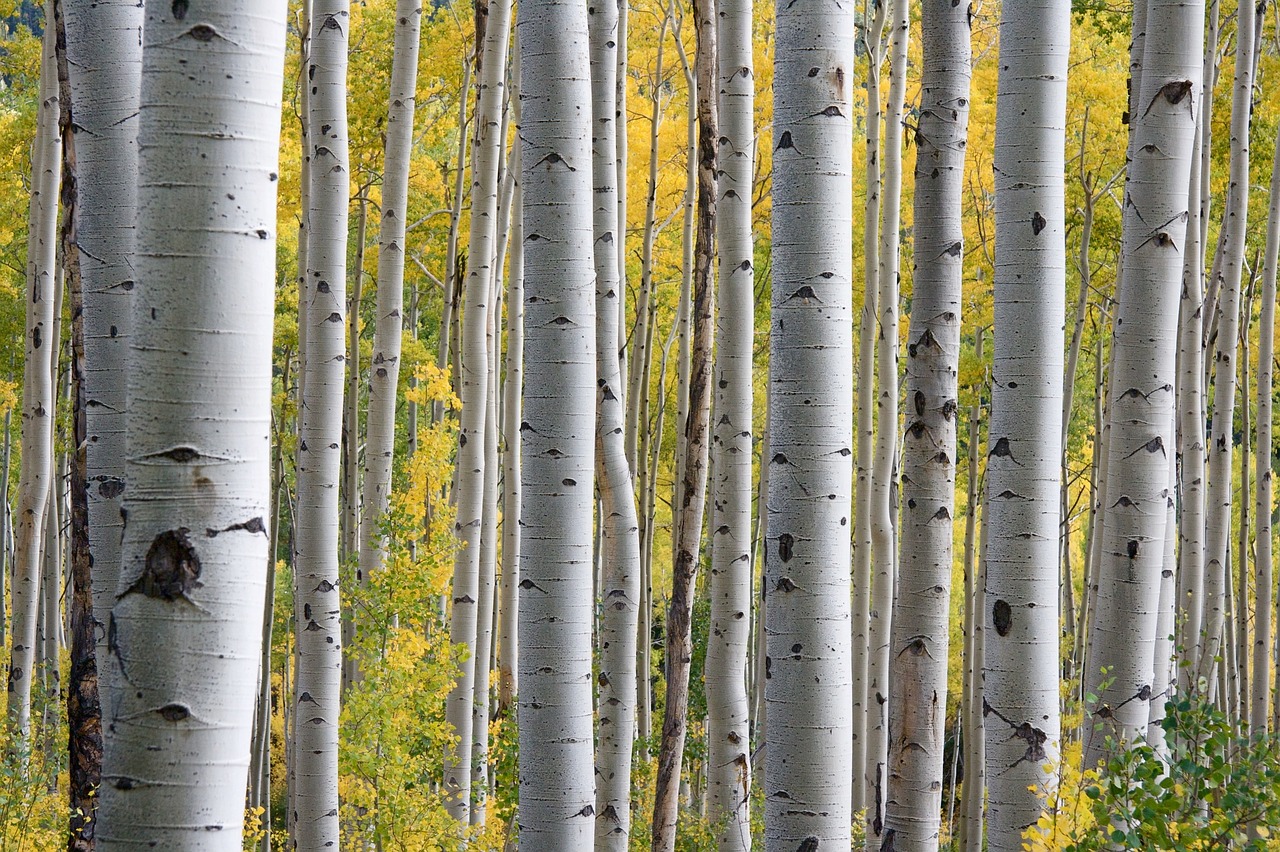
Extracted by steam distillation from the bark or from the buds of Betula pendula Roth (birch white, silver birch) or of Betula slow L. (birch black, cherry birch), trees of the Betulacee originari rispettivaly of the Europe and of the North America. THE due oils have profili chimic radically different: the birch white (buds) and ricca in betulina, alpha and beta-pinene, sabinene and germacrene-D; the birch black (bark) and dominated from salicilato of methyl (98-99%) — the molecule of the aspirina — with properties anti-inflammatory, analgesic and drenant potentissime but also alta tossicita for ingestione. In aromatherapy si usa the birch black with estrema caution for topical use diluted (max 0.5%) for the properties anti-reumatic, analgesic and of stimolation of the drenaggio renale; the birch white and more safe and has properties purificant, diuretic and tonic-skin. Contraindicated during pregnancy, in children, in case of allergy to the aspirina and in chi assume anticoagulant. Top note fresh, medicinal, slightly balsamic.
Birch sweet
 Birch sweet
 Betula lenta
Extracted by steam distillation from the bark of Betula slow L. (birch sweet, birch ciliegio, black birch), tree of the Betulacee widespread in the forests decidue of the North America oriental (from the Canada southern to the Appalachi), where grows in the suoli ben drenati and ricchi of materia organic. The birch sweet is botanicaly different from the birch European (B. pendula) and produce a oil with composition radically different: the its oil of bark contains 95-99% of salicilato of methyl — the stessa molecule abbondant in the wintergreen (Gaultheria procumbens). The salicilato of methyl is a FANS natural topical with powerful activity analgesic, anti-inflammatory and rubefacient — the molecule active in the creams sportive as Bengay and Tiger Balm. L'oil of birch sweet is pertanto used exclusively for via topical as analgesic muscular and joint, antireumatic, anti-cellulite and rubefacient. Contraindicated during pregnancy, children and people sensible to the aspirina. From not confondere with the oil of birch European (B. pendula), with composition and usi completaly different. Top note phenolic, mentholated and penetrating.
 Top
Rutaceae
Top
Rutaceae
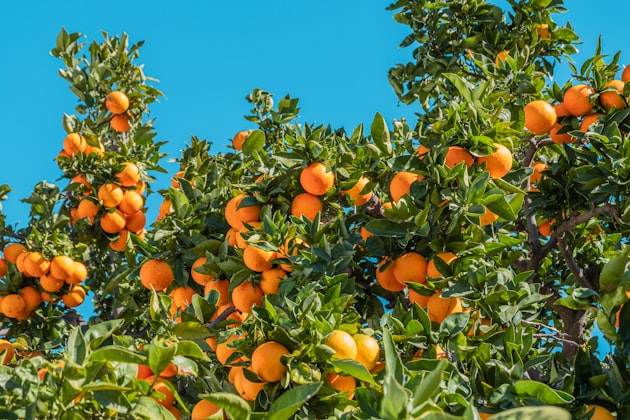
Bitter Orange
 Bitter Orange
 Citrus aurantium varietà amara
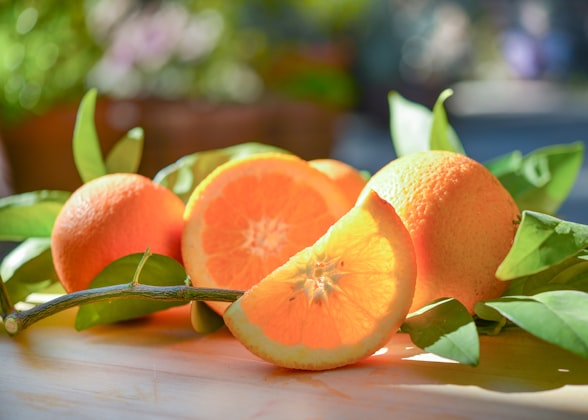
Extracted by cold pressing from the fruit peel of Citrus × aurantium L. subsp. bitter (bitter orange, bigarade, Seville orange), citrus fruit of the Rutaceae of probable origin asiatic (hybrid pomelo × mandarin), cultivated in Spain (Siviglia), Morocco, Italy southern and Tunisia mainly for the production of marmellate, essential oil and water of flowers of orange. From this citrus fruit si ricavano tre oils different: from the peel (bitter orange bigarade), from the flowers (neroli) and from the leaves (petit grain bigarade) — tre oils with profili fitochimic and properties radically distinti. The phytochemical profile of the peel is dominated from d-limonene (85-95%), with octanal, decanal and myrcene which provide the note more bitter and complessa compared to the orange sweet. In aromatherapy the bitter orange bigarade is used as digestive bitter and colagogo (stimulates the secretion biliary), carminative, antioxidant, anxiolytic moderate and as aromatizing in liquoristic traditional (Cointreau, Grand Marnier). Photosensitizing if pressofrigido. Top note citrusy, slightly bitter and more warm of the orange sweet.
 Middle
Piperaceae
Middle
Piperaceae
Black Pepper
 Black Pepper
 Piper nigrum
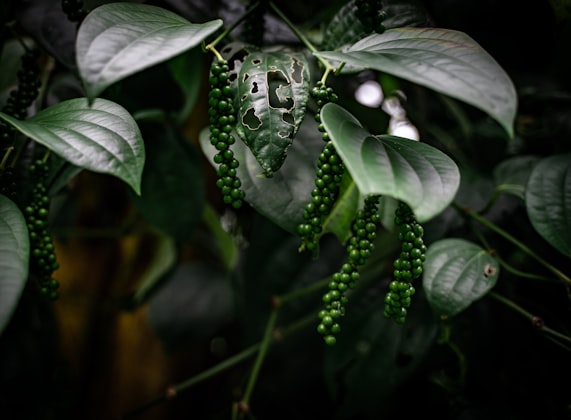
Extracted by steam distillation from the fruits (berries) acerbi or seeds-mature of Piper nigrum L. (pepper black, black pepper), liana evergreen of the Piperacee native of the costa of the Malabar in India (Kerala), today cultivated in all the Southeast asiatic tropical (Vietnam, Indonesia, India). The pepper black and the spice more commercializzata in the world for peso and valore economic — the piperina (alcaloide not-volatile) and responsible of the piccant, mentre the essential oil volatilizzato in the pepper macinato and the responsible of the fragrance aromatic. The phytochemical profile is dominated by beta-caryophyllene (15-35%), limonene (15-25%) and alpha-pinene (10-20%), with delta-3-carene, sabinene and myrcene. The beta-caryophyllene and an agonist selettive of the receptor CB2 of the endocannabinoidi — with documented activity anti-inflammatory, analgesic and gastroprotettive. In aromatherapy the pepper black and used as tonic circolatorio riscaldant, analgesic for the muscle and joint pain, digestive and carminative, aphrodisiac riscaldant and stimulating physical and energetic. AND also support in the cessation of the fumo for reduce the craving (studies clinic). Top note warm, spicy, pepata and robusta.
 Middle
Geraniaceae
Middle
Geraniaceae
Bourbon Geranium
 Bourbon Geranium
 Pelargonium × asperum
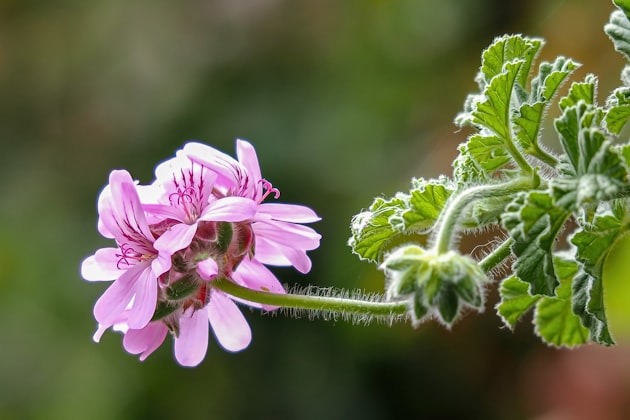
Extracted by steam distillation from the parts aeree flowering of Pelargonium × asperum Ehrh. ex Willd. (sin. P. graveolens L'Hér., geranium rosat, geranium borbon), hybrid aromatic of the Geraniacee derived from incroci among species sudafricane of the Capo of Buona Speranza, cultivated mainly to Réunion, Madagascar, Egypt, Morocco and China. The geranium of Réunion (detto 'Bourbon') is considered of quality superiore for the profile balanced and the finezza aromatic. The phytochemical profile is dominated by citronellol (25-40%), geraniol (15-25%) and formiato of citronellile, with linalool, isomenton and 6,9-guaiadiene as components minor. The citronellol and the geraniol provide the antibacterial properties, antifungal and antiviral; the formiato of citronellile contributes to the note floral-fruity characteristic of the fragrance. In aromatherapy is one of the oils more versatili and equilibrant: acts on the nervous system autonomo sia as tonic which as sedative to seconda of the contesto, is antifungal of choice for the candidiasis, regolatore hormonal in the disfuntions ginecologic, healing skin of quality and fragrance floral-rosaceo insostituible in perfumery. Heart note floral, fresh and slightly fruity.
 Middle
Fabaceae
Middle
Fabaceae
Broom
 Broom
Broom Cytisus scoparius
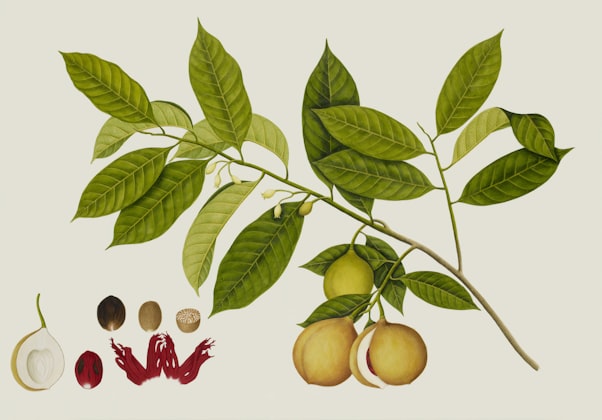
Obtained for solvent extraction (absolute) from the flowers of Spartium junceum L. (broom common, Spanish broom, ginestrone) or of Genista tinctoria L. (ginestrina of the tintori), arbusti of the Fabacee diffusi on the colline mediterranee assolate and on the soils poveri and calcarei of the Southern Europe. The broom and one of the flowers more iconic of the paesaggio italiano — celebre the lirica 'The Broom' of Giacomo Leopardi (1836). The assolute of broom are very rare and costous, prodotte in small quantita in Provence, in Spain and in some aree italiane. The phytochemical profile and complesso: para-cresolo (muschiato), linalool, benzyl-alcohol, geraniol, anisaldeide and acid benzoic — responsible of the fragrance sweet-honeyed-powdery with note animal discrete. L'absolute of broom has a carattere 'animal' and powdery which the makes precious in the perfumes oriental and floreal altaly elaborati. In aromatherapy (use limitato for the costo) and used as antidepressant, nervina, anxiolytic and as tonic emotional in the periods of blocco creative or of inerzia psicologic. Heart note sweet, honeyed, polverous and slightly animal.
Cabreuva
 Cabreuva
 Myrocarpus fastigiatus
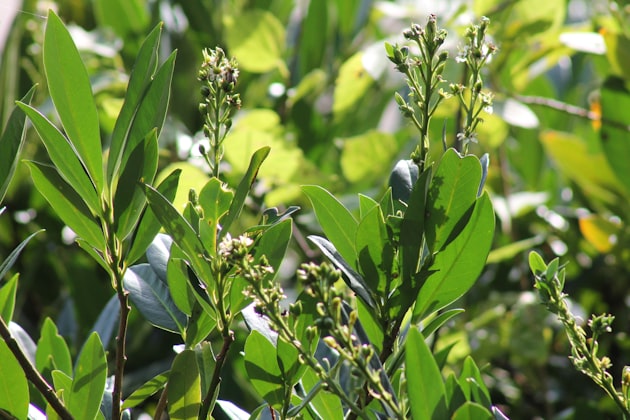
Obtained for steam distillation from the wood of Myrocarpus fastigiatus Allemão (cabreuva, cabreuva preta, bálsamo de cabreuva), large tree of the Fabacee native of the forests semidecidue subtropical of the America of the Sud (Brazil southern, Argentina northern, Paraguay, Uruguay), where the wood red-brunastro is apprezzato for the ebanisteria of pregio and the production of oleoresina balsamic scented. The name tupi 'cabreuva' identific traditionally a gruppo of trees with oleoresina scented in the cultura indigena sudamericana. The phytochemical profile is dominated by nerolidolo (cis + trans: 50-80%), β-caryophyllene and bisabololo — sesquiterpenes with antifungal activity, healing and anti-inflammatory ben documented in letteratura. The nerolidolo is a sesquiterpenoide alcoholic with excellent action antifungal skin (candidiasis, dermatofitous) and properties of penetration enhancer which increases the assorbimento transdermic of other principi attivi applicati in association. In aromatherapy it is used as antifungal of first choice for the fungal skin infections, healing for wounds cronic, antiseptic and as fixative woody-balsamic in perfumery of nicchia. Heart note-fondo warm, balsamic and woody.
 Middle / Top
Myrtaceae
Middle / Top
Myrtaceae
Cajeput
 Cajeput
 Melaleuca leucadendron
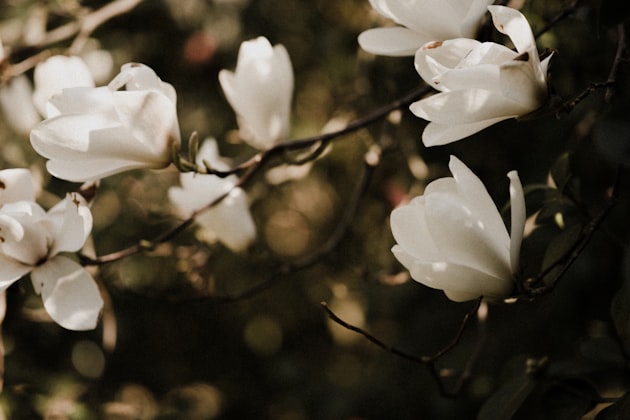
Extracted by steam distillation from the leaves and from the twigs of Melaleuca cajuputi Powell (cajeput, punk tree, paperbark tea tree), tree of the Myrtaceae native of the Southeast asiatic (Indonesia, Malesia, Philippines, Australia northern), where grows in the areas of transition among forest and savana, in the areas marshy coastal and on the suoli poveri inondati stagionally. L'tree prende the name from the malese 'kayu-puti' (wood white) for the characteristic bark biancastra to fogli sottili. The phytochemical profile is dominated by 1,8-cineole (55-70%) — identic chimicaly to the eucalyptus but with a different assortimento of components minor — with alpha-terpineol, limonene and beta-pinene, and viridiflorolo as sesquiterpene ossigenato characteristic. L'elevata concentration of 1,8-cineole provides to the cajeput eccellent properties espettorant, decongestionant of the mucous membranes nasal and bronchial, antibacterial of the respiratory tract and analgesic topiche. AND used traditionally in all the Asia of the Southeast for the diseases respiratory, the joint pain and the skin infections. In aromatherapy and used as expectorant, antiseptic, analgesic and purifying environmental. Top note fresh, medicinal and eucaliptoide.
 Middle
Magnoliaceae
Middle
Magnoliaceae
Campaca
 Campaca
 Magnolia champaca
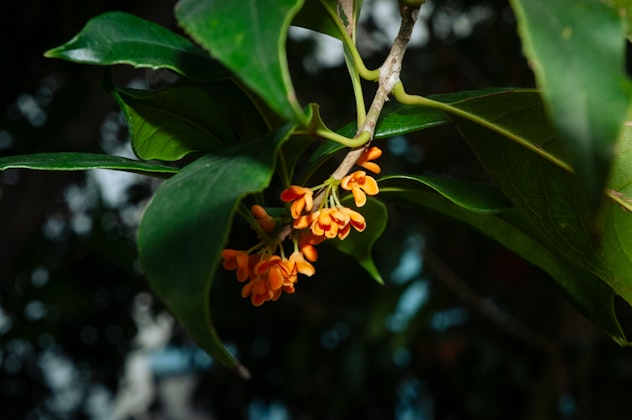
Obtained for solvent extraction (absolute) from the flowers of Michelia champaca L. (campaca, champaca, joy perfume tree), large evergreen tree of the Magnoliacee native of the India oriental and of the Southeast asiatic (Bangladesh, Sri Lanka, Indonesia), cultivated in all the Asia tropical for the flowers orange-dorati intensaly profumati, used in the offerte religious Hindu and Buddhist. The fragrance of the champaca and associato in the poesia and in the letteratura Indian to the estate, to the amore and to the devotion. L'absolute of champaca and estremaly precious in perfumery of nicchia — Joy of Jean Patou contains champaca, and Serge Lutens has dedicato due perfumes to this species. The phytochemical profile is dominated by metileugenolo (25-35%), indolo (5-15%), beta-ionone, linalool and alcohol feniletilic — a composition which unisce the floral oriental (iononi, linalool) with the indolic animal discreto. In perfumery creates note of 'warm florathe ineguagliabili. In aromatherapy and used as afrodisiaca, antidepressant of lusso, anxiolytic emotional and as support to the meditation and to the preghiera in the traditions of the Asia. Heart note floral, creamy, oriental and slightly indolic.
 Top
Lauraceae
Top
Lauraceae
Camphor
 Camphor
 Cinnamomum camphora
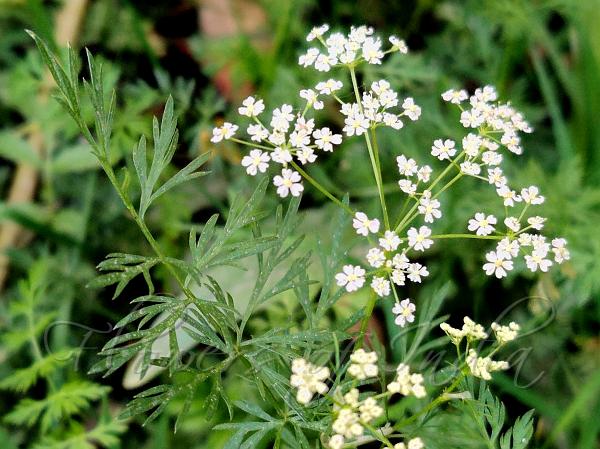
Extracted by steam distillation and successive sublimation from the wood of Cinnamomum camphora (L.) J.Presl (camphor, tree of the camphor, camphor tree), large evergreen tree of the Lauracee native of the East Asia (Japan southern, China southern, Taiwan), naturalizzato in molte regions tropical and subtropical. L'tree of the camphor and one of the more longevi conosciuti — esemplari millenari esistono in Japan and Taiwan. The camphor grezza prodotta industrially and the base for the sintesi of numerous medications (camsilato, terfenadina). Presenta different chemotypes: CT camphor (the classic, ricco in camphor 50-70%), CT cineole (Madagsacar, ravintsara), CT linalool (iary). The CT camphor and dominated from camphor (50-70%), 1,8-cineole (8-15%) and alpha-terpineol. The camphor (a chetone biciciclic) has properties stimolant of the nervous system central to doses terapeutic, analgesic topiche and rubefacent, insettifughe, mucocinetic and decongestant nasal. Contraindicated during pregnancy, epilepsy and children small for the risk convulsivant to doses high. In aromatherapy and used as analgesic muscular topical, decongestant nasal, stimulating circolatorio and repellent for insects. Top note fresh, penetrating and strongly canforata.
 Middle
Apiaceae
Middle
Apiaceae
Caraway
 Caraway
 Carum carvi
Extracted by steam distillation from the fruits (seeds) mature of Carum caraway L. (caraway, cumin of the prati, alcaravea, caraway), plant herbaceous biennal of the Apiaceae native of the Central Europe and of the Asia temperata, cultivated intensively in Northern Europe (Paesi Bassi, Finlandia, Polonia) and in the Medioriente as spice for the pane, the kitchen and as digestive traditional. The caraway and the spice identitaria of the pane tedesco 'Roggenbrot', of the schnaps 'aquavit' scandinavo and of the kuemmelschnaps tedesco. The phytochemical profile is dominated by carvone (+: S-carvone: 50-65%) and limonene (25-40%), with alpha-phellandrene and beta-myrcene. The carvone and a terpenoide chetonic with powerful properties carminative (rilassamento of the muscolatura liscia intestinal), stimulating of the motilita gastric, antibacterial and antifungal documented. L'oil of caraway and among the more efficaci carminative natural noti — superiore to the mint for the colonscopia without sedation secondo studies clinic. In aromatherapy and used as powerful carminative, digestive and antispasmodic intestinal, antimicrobic and as aromatizing spicy. Top note warm, spicy-herbaceous and characteristic.
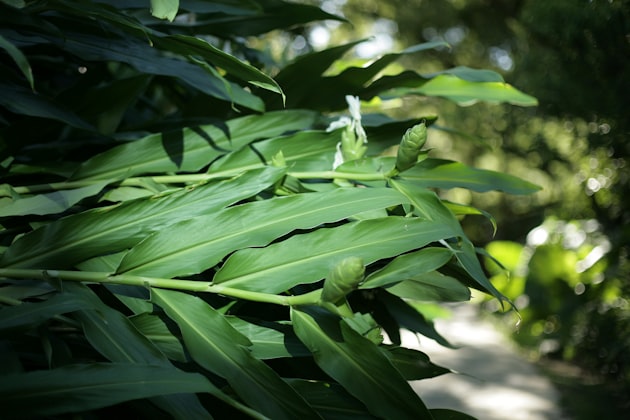 Middle
Zingiberaceae
Middle
Zingiberaceae
Cardamom
 Cardamom
 Elettaria cardamomum
Extracted by steam distillation from the seeds dried of Elettaria cardamomum (L.) Maton (cardamom, green cardamom, elaichi), plant rizomatous perennial of the Zingiberacee native of the forests pluvial of the Malabar (Kerala, Karnataka) in the India sudoccidental, today cultivated in Guatemala (primo produttore worldwide), Sri Lanka and Tanzania. The cardamom and the terza spice more expensive in the world after the zafferano and the vanilla. The phytochemical profile is dominated by 1,8-cineole (25-45%), alpha-terpinile-acetate (25-40%) and linalool, with sabinene, beta-pinene and limonene. L'alpha-terpinile-acetate and the key component of the identita aromatic of the cardamom — the note fresh-spicy-camphorata only which the distingue from all the other spezie. The combination of cineole and alpha-terpinile-acetate provides to the cardamom eccellent properties digestive, carminative, espettorant and tonic-nervine. In aromatherapy and used as digestive and carminative of eleganza superiore (dyspepsia, bloating, gastrite), antiemetic, expectorant moderate, aphrodisiac exotic and base for blend speziati oriental. Heart note fresh, spicy, balsamic and cardamomic.
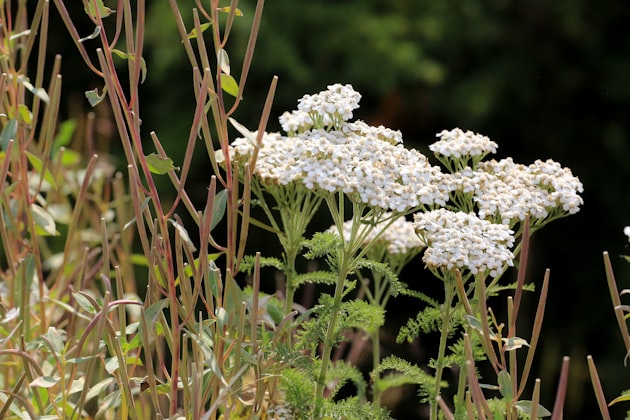 Middle
Apiaceae
Middle
Apiaceae
Carrot Seed
 Carrot Seed
 Daucus carota
Extracted by steam distillation from the seeds mature of Daucus carrot L. (carrot wild, wild carrot, Queen Anne's lace), plant herbaceous biennal of the Apiaceae widespread in Europe, Asia and Nordafrica in the soils argillous and in the margini erbosi, progenitrice wild of the carrot orticola. From not confondere with the oil obtained from the root of carrot cultivated, with profile chemical and properties completaly different. The phytochemical profile is dominated by carotolo (30-45%), daucene (25-35%) and beta-bisabolene, with geranium acetate and limonene. The carotolo and a sesquiterpene alcoholic esclusive of the seed of Daucus carrot — a marcatore of quality and autenticita — with documented properties epatoprotettive, diuretic and diuretic. The daucene contributes to the properties tonic-venose and diuretic. In aromatherapy the oil of seed of carrot and the oil of choice for the support hepatic and renale (epatoprotettore, colagogo, diuretic), for the lymphatic drainage, for the skin grinzous and mature (effect regenerating skin documented) and as regolatore hormonal. Heart note warm, earthy-sweet, root and slightly spicy.
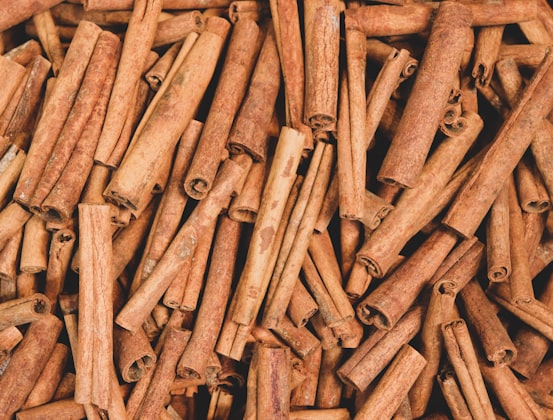 Middle
Lauraceae
Middle
Lauraceae
Cassia
 Cassia
 Cinnamomum cassia
Extracted by steam distillation from the bark, from the leaves or from the branches of Cinnamomum cassia (L.) J.Presl (cassia, cinnamon Chinese, cinnamon of Saigon), evergreen tree of the Lauracee native of the China southern (Guangdong, Guangxi) and of the Vietnam, where is cultivated from over 4.000 years as spice and plant medicinal. The cassia is often sold as 'cinnamon' in the mercato European and nordamericano, pur essendo botanicaly different from the cinnamon vera (Cinnamomum verum J.Presl, native of the Sri Lanka). The phytochemical profile is dominated by trans-cinnamaldeide (80-95%) — in percentual ancora more alta which in the cinnamon of Ceylon — with eugenol, benzaldeide and cinnamile-acetate. L'altissimo content of cinnamaldeide makes the cassia more aggressive on the skin compared to the vera cinnamon: is a of the cause more frequent of dermatite from contact among the essential oils. In aromatherapy it is used as antibacterial powerful, ipoglicemizing (studies clinic on Cinnamomum cassia and controllo glicemic), digestive, stimulating circolatoria and afrodisiaca. Use always very diluted. Top-to-heart note very warm, spicy and sweet-pungent.
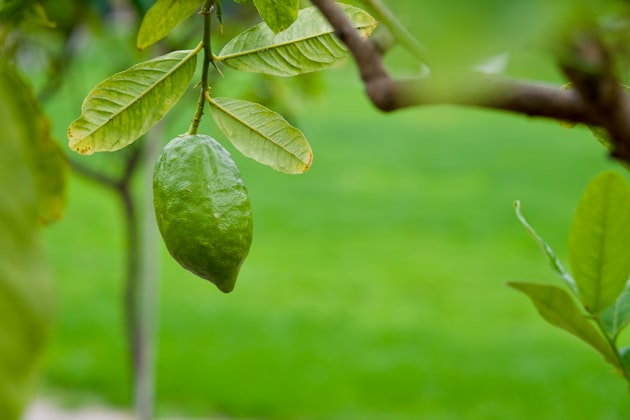 Top
Rutaceae
Top
Rutaceae
Cedarwood (fruit)
 Cedarwood (fruit)
 Citrus medica
Extracted by cold pressing from the fruit peel mature of Citrus medical L. (cedarwood agrumario, cedarwood lemon), citrus fruit of the Rutaceae native of the India north-oriental and of the South Asia — one of the progenitori primari of all the citrus fruits coltivati odierni, insieme to the mandarin and to the pomelo. The cedarwood agrumario is noto for the fruits enormi (up to to 4 kg), with albedo spessissimo and pochissimo succo, cultivated traditionally in Calabria (cedarwood of Calabria IGP), Corsica, Sicily and Costa of Amalfi for the essence, the peel candita and as simbolo religious ebraic (etrog for the festa of Sukkot). The phytochemical profile is dominated by d-limonene (65-80%), β-pinene (6-12%) and γ-terpinene, with linalool and α-terpineol as components minor caratterizzant. The fragrance is more floral and less citrusy-bitter of the lemon classic, with a dolcezza and a complessity caratteristic. In aromatherapy it is used as anxiolytic sweet, mood tonic, carminative and as component of alta quality in the compositions citrusy-floreal. Photosensitizing if extracted for pressofrigido. Top note bright, floral-citrus and sweet.
 Top
Cupressaceae
Top
Cupressaceae
Cedarwood giapponese
 Cedarwood giapponese
 Cryptomeria japonica
Extracted by steam distillation from the wood of Cryptomeria japonic (Thunb. ex L.f.) D.Don (cedarwood giapponese, sugi), large conifera of the Cupressacee (ex Taxodiacee) endemic of the Japan, where is the species forestal more cultivated and the simbolo nazional of the paesaggio montano — the piantagioni of sugi coprono the 12% of the territorio giapponese. The sugi is also the cause main of the pollinous primaverile giapponese (kafunshō), a of the allergies stagional more severe and diffuse. The phytochemical profile of the wood is dominated from sesquiterpenes: α-cedren-11-olo (elemol: 30-45%), β-eudesmolo, δ-cadinolo and β-caryophyllene, with cedredanolo and cryptomeridiol caratteristic of the species. In aromatherapy it is used as tonic of the nervous system with effect grounding-meditative (simile to the cedarwood of the Atlante but more mite), as insettifugo (repellent for mosquitoes and moths), tonic venous and as fragrance of meditation in the traditions zen. The fragrance warm and slightly affumicato is associato to the estetic wabi-sabi giapponese. Base note woody, earthy and quieta.
 Base
Pinaceae
Base
Pinaceae
Cedarwood of the Himalaya
 Cedarwood of the Himalaya
 Cedrus deodara
Extracted by steam distillation from the wood of Cedrus deodara (Roxb. ex D.Don) G.Don (cedarwood of the Himalaya, deodara, deodar cedar), large conifera evergreen of the Pinaceae native of the Himalaya western (Pakistan, India north-western, Afghanistan, Nepal western), where grows among the 1.500 and the 3.200 m of elevation formando forests maestous and profumate on the pendic montane. The name sanscrito 'deodar' or 'devdar' signific 'tree of the of the' — riflettendo the deep compared spiritual which the culture himalayane nutrono from millenni for this species monumental. The phytochemical profile is dominated by sesquiterpenes: α-himachalene (10-20%), β-himachalene (30-45%), γ-himachalene and himachalolo — composti esclusive of the genus Cedrus, chimicaly distinti from the cedreni of the Juniperus virginiana nordamericana. L'himachalolo has sedative properties, antifungal and insettifughe documented from the letteratura farmacognostic Indian. In aromatherapy it is used as sedative of the nervous system, tonic venous and lymphatic, antifungal skin, insettifugo for moths and as component of pregio in the fragrances legnous maschili of alta gamma. Base note warm, nobilly boscous and slightly resinous.
 Base
Cupressaceae
Base
Cupressaceae
Cedarwood of the Virginia
 Cedarwood of the Virginia
 Juniperus virginiana
Extracted by steam distillation from the wood of Juniperus virginiana L. (cedarwood of the Virginia, cedarwood red oriental), conifera of the Cupressacee widely widespread in the North America oriental, from the Canada southern up to to the Florida. Nonostante the name commercial 'cedarwood', the cedarwood of the Virginia appartiene to the genus Juniperus (juniper) and not to Cedrus — a of the molte classifications populari fuorviant in the mercato of the essential oils. THE suoi coni blue-grigi, ricchi in essence, attirano the tordi migratori which ne diffondono the seeds. The phytochemical profile is dominated by cedrolo (18-30%), α-cedrene (25-35%) and β-cedrene, with tujopsene — sesquiterpenes with action insettifuga documented (the cedarwood of the Virginia is one of the repellent natural for moths and insects more efficaci). In aromatherapy it is used as tonic venous and lymphatic, deodorant corporeo, repellent for insects and moths, sedative light of the nervous system and astringent skin. The fragrance warm and dry the makes a component precious in the fragrances maschili boisées and chyprées. Base note warm, dry, woody and slightly fumosa.
Celery (seeds)
 Celery (seeds)
 Apium graveolens
Extracted by steam distillation from the seeds dried of Apium graveolens L. (celery, celery from costa, celery rapa), plant biennal of the Apiaceae native of the coasts atlantic europee and of the Mediterranean, cultivated universally as ortaggio and aromatic from over 3.000 years. The phytochemical profile of the oil of seeds is dominated from ftalidi — ligustilide (40-70%), butilftaalide and sedanenolide — composti eterociclic ossigenati which provide the aroma characteristic, with β-selinene and β-phellandrene. The ftalidi have documented activity ipotensive (rilassano the muscolatura liscia vascolare), sedative of the nervous system central, carminative and antispastic. In aromatherapy the celery is used as tonic renale and diuretic light, carminative and antispastic intestinal, sedative mild and support in the protocolli depurative of the liver. The sue ftalidi si accumulano in the milk materno — avoid during breastfeeding. Contraindicated during pregnancy (stimulates the contrations uterine) and in the nefropatie acute. Has properties fotosensibilizzant for the presence of furanocumarine. Heart note warm, herbaceous and caratteristicaly sedanic.
 Base
Lauraceae
Base
Lauraceae
Cinnamon
 Cinnamon
 Cinnamomum verum
Extracted by steam distillation from the bark (Ceylon) or from the leaves (Cassia, China) of Cinnamomum verum J.Presl (cinnamon of Ceylon, true cinnamon) and Cinnamomum cassia (L.) J.Presl (cassia, cinnamon Chinese), trees of the Lauracee originari rispettivaly of the Sri Lanka and of the China southern. THE due oils have profili chimic different: the bark of Ceylon contains aldeide cinnamic (60-80%) with eugenol (4-10%), mentre the cassia Chinese and dominated from aldeide cinnamic (80-95%) with less eugenol. L'aldeide cinnamic has powerful activity antibacterial, antifungal and antiviral with broad-spectrum activity — active on MRSA, Candida albicans and influenza viruses — with action insulino-mimetic documented which improves the sensibilita insulinic. L'oil of cinnamon and among the more caustic: max 0.1% topical for dermocausticita of the fenilpropanoidi. In aromatherapy and used as antibacterial and antifungal powerful, immune-stimulating, tonic circolatorio riscaldant, aphrodisiac and digestive. Contraindicated during pregnancy and in children. Heart note warm, spicy, sweet-piccant and strongly cinnamon.
Cinnamon leaves
 Cinnamon leaves
 Cinnamomum verum
Extracted by steam distillation from the leaves fresh of Cinnamomum verum J.Presl (sin. C. zeylanicum Blume, cinnamon of Ceylon), evergreen tree of the Lauracee native of the Sri Lanka and of the Kerala, the which bark interna dried costituisce the cinnamon commercial more high-quality in the world. L'oil of leaves is chimicaly distinto dto the oil of bark: mentre the bark is dominated from trans-cinnamaldeide (60-80%), the leaves contain prevalentely eugenol (70-90%) with minor amount of eugenile-acetate and cinnamaldeide in traces. L'eugenol is the component active of the chiodi of clove, responsible of the effect anestetic local, antibacterial and anti-inflammatory ben documented in odontoiatria and farmacologia — is the molecule used in the otturation provvisoria of the denti. In aromatherapy the oil of leaves is considered more safe of the oil of bark for topical use poiché the eugenol cause less reazioni allergic compared to the cinnamaldeide; rimane tuttavia a dermocaustic which requires diluition accurata (max 0.5-1%). Used as antibacterial powerful, analgesic local, stimulating circolatorio and aphrodisiac warm. Contraindicated during pregnancy. Top-to-heart note warm, chiodous and intensaly spicy.
 Base
Cistaceae
Base
Cistaceae
Cisto
 Cisto
Cisto Cistus ladanifer
Obtained for steam distillation from the parts aeree of Cistus ladanifer L. (cisto ladanifero, cisto white, rock rose), evergreen shrub of the Cistacee native of the penisola iberic and of the Nordafrica, where forma macchie dense in the soils silicei poveri and assolati of the western Mediterranean. The ladano — the gommoresina secreta from the peli ghiandolari of the leaves and of the branches young — era già citato in the Esodo biblic as ingredient of the ketoret, the fragrance sacro of the Tempio of Gerusalemme, and harvested traditionally pettinando the mantello of the capre which pascolavano among the cespugli of cisto. The phytochemical profile is dominated by viridiflorolo (10-20%), camfene, α-pinene and β-pinene, with labdanolo, trans-pinocarveol and linalool — sesquiterpenes and diterpeni caratteristic of the genus Cistus. The cisto has to antiviral activity documented particularly interessant: estratti of C. ladanifer are states studied for the inibition of influenza viruses and of the rinovirus. In aromatherapy it is used as antiviral of choice, antiinfiammatorio skin, healing excellent, emostatic for wounds superficial which sanguinano and as fixative ambrato in perfumery alta. Base note resinous, warm, earthy-boisée and ambrata.
 Top
Poaceae
Top
Poaceae
Citronella
 Citronella
 Cymbopogon nardus
Extracted by steam distillation from the leaves fresh of Cymbopogon nardus (L.) Rendle (citronella of Ceylon) or of Cymbopogon winterianus Jowitt (citronella of Java), large graminacee perenni of the Poacee coltivate in the regions tropical wet of the Sri Lanka (Ceylon), of the Indonesia (Java), of the China and of the Brazil. The citronella of Java has generally concentrations more high of citronellal and geraniol compared to the Ceylon. The phytochemical profile of the citronella of Java and dominated from citronellal (30-45%), geraniol (20-30%) and citronellol (10-20%), with limonene and gamma-terpinene. The citronella and the most widely used repellent natural for insects (Aedes aegypti, Anopheles) in the world, used in formulations spray, candele and diffusori outdoor. The citronellal and the molecule key of the mechanism repellent, which interferisce with the receptors olfattive of the mosquitoes. In aromatherapy and used as repellent for insects, antibacterial and antifungal skin, tonic muscular mild and purifying environmental. Photosensitizing to concentrations high. Top note fresh, limoncina-citronellata and characteristic.
 Middle
Lamiaceae
Middle
Lamiaceae
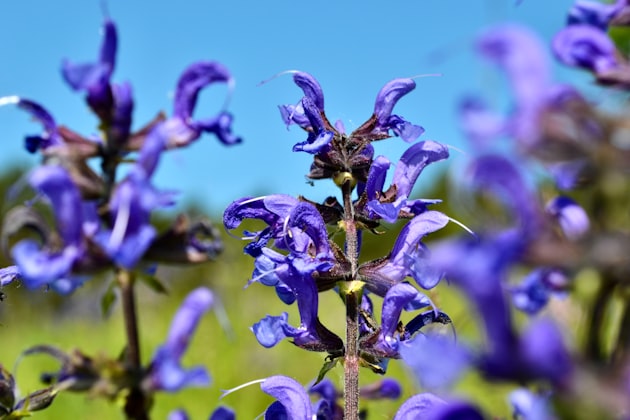
Clary Sage
 Clary Sage
 Salvia sclarea
Extracted by steam distillation from the sommita flowering of Sage sclarea L. (sage sclarea, sage chiara, clary sage), plant herbaceous biennal or perennial of the Lamiaceae native of the Mediterranean oriental and of the Asia central, cultivated in France southern (Valence, Drome), in Russia and in Morocco. The sage sclarea and historically and culturally very different from the sage officinal: not neurotossic, not contraindicated during pregnancy (to differenza of the S. officinalis), with a fragrance muschious-floral-herbaceous characteristic. The phytochemical profile is dominated by linalyl-acetate (55-75%) and linalool (10-25%), with germacrene-D, alpha-terpineol and sclareolo (diterpene not-volatile). The linalyl-acetate and the linalool have documented activity anxiolytic, sedative and antidepressant. The sclareolo (residuo in the distillation) has properties estrogenic and the base of the sintesi of some molecules steroidee in farmacologia. In aromatherapy and used as regolatore hormonal women's health (menstrual cycle, premenstrual syndrome, menopause), anxiolytic and antidepressant, antispasmodic, sedative of the SNC and afrodisiaca sweet. Heart note muschious-floral, herbaceous and slightly ammandorlata.
 Top
Rutaceae
Top
Rutaceae
Clementina
 Clementina
 Citrus clementina
Extracted by cold pressing from the fruit peel of Citrus × clementina Hort. ex Tanaka (clementina), hybrid agrumario of the Rutaceae obtained dto the incrocio among the mandarin (Citrus reticulata) and the bitter orange (Citrus × aurantium), avvenuto presumibilly to the fine of the Ottocento in the giardini of the reverendo Clément Rodier ad Oran, in Algeria. The clementina is one of the citrus fruits more consumati in the Mediterranean in the months invernal, but the its essential oil is less widespread of the mandarin and of the orange sweet for ragioni of disponibility and costi of extraction. The phytochemical profile is dominated by d-limonene (85-95%), with γ-terpinene, β-miricene and α-pinene in traces — a composition very simile to the orange sweet but with a fragrance percettivaly more fruity and less floral. In aromatherapy it is used as anxiolytic sweet, mood tonic, carminative and as fragrance citrusy festive-winter. Particularly recommended for children and anziani for the its delicatezza. Photosensitizing (pressofrigido). Top note bright, fruity and sweet.
 Middle
Myrtaceae
Middle
Myrtaceae
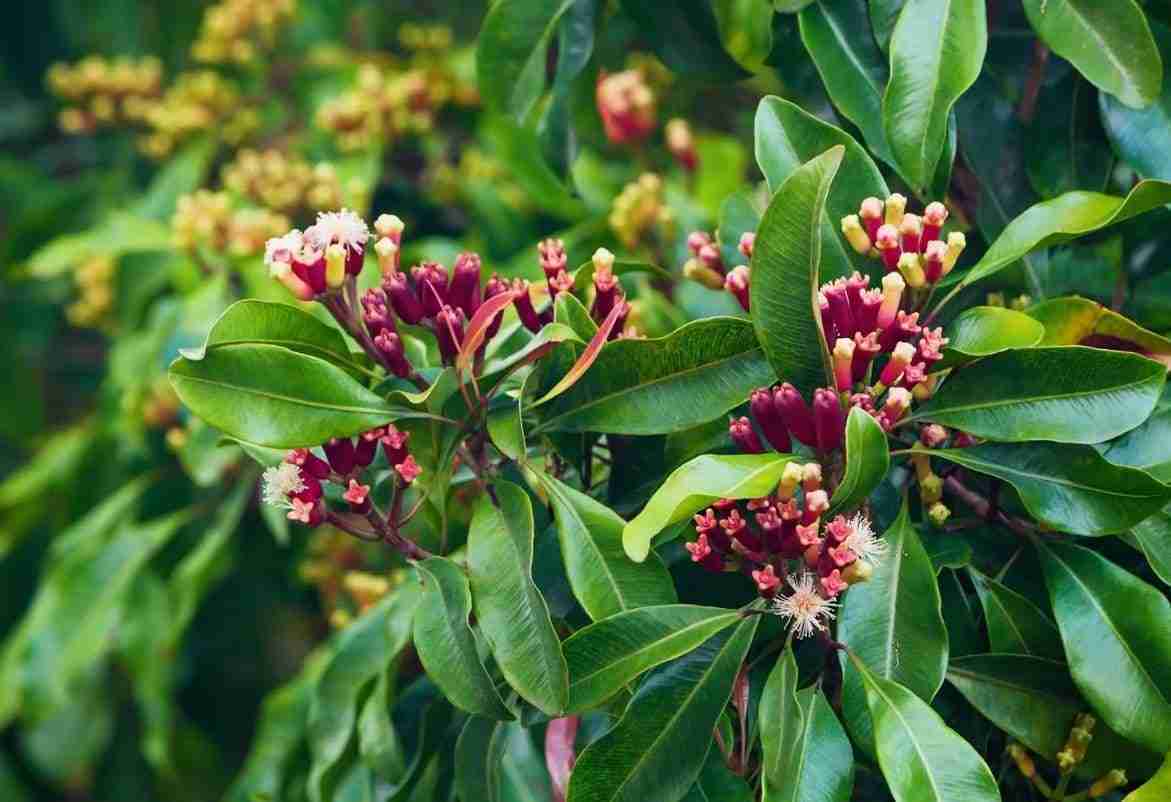
Clove
 Clove
Clove Syzygium aromaticum
Extracted by steam distillation from the buds fioral dried (chiodi) or from the leaves or from the fusto of the Syzygium aromaticum (L.) Merr. & L.M.Perry, evergreen tree tropical of the Myrtaceae native of the isole Maluku (Molucche, Indonesia) — the leggendarie Isole of the Spezie — today cultivated in Madagascar, Tanzania, Sri Lanka and Indonesia. The phytochemical profile of the buds and dominated from eugenol (72-90%), eugenol acetate and β-caryophyllene; the leaves have a content of eugenol ancora more high (90-95%). L'eugenol and a fenolo with the more documented activity anestetic local (odontoiatria), antimicrobic with broad-spectrum activity, anti-inflammatory and antioxidant among all the phenols of the essential oils. The clove of clove and the more powerful dermocaustic among the essential oils: not va mai applicato undiluted (brucia the mucosa) and deve be used to the 1% max for topical use. Contraindicated during pregnancy, breastfeeding and children under the 12 years. Top note strong, spicy and warm.
 Base
Malvaceae
Base
Malvaceae
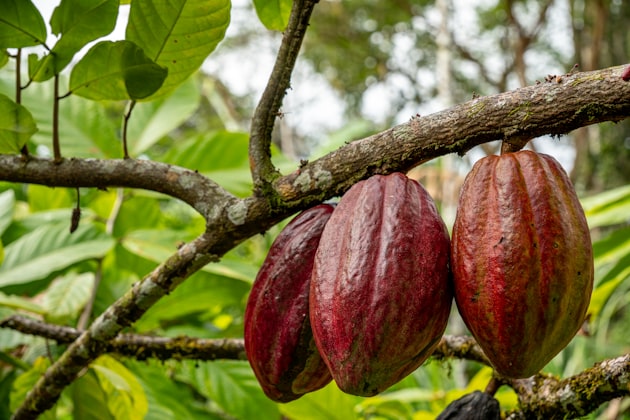
Cocoa
 Cocoa
Cocoa Theobroma cacao
Obtained for steam distillation or for supercritical CO2 extraction from the fave fermentate and dried of Theobroma cocoa L. (cocoa, tree of the cocoa), large evergreen tree of the Malvacee (ex Sterculiacee) native of the America central and southern tropical, cultivated today in the fascia equatorial of Cote of Ivoire, Ghana, Indonesia, Nigeria and Brazil. The name botanic Theobroma signific 'cibo of the of the' in greco, and the bevanda fermentata of cocoa era effettivaly the bevanda ritual of the Aztechi and of the Maya riservata to the guerrieri and to the sacerdoti. The phytochemical profile of the essential oil and dominated from 2,3,5,6-tetrametilpirazina, acetophenone, linalool, acid acetic and numerous esters aromatic — the complessita molecolare of the cocoa comprende over 600 composti volatili. The teobromina (alcaloide) not si finds in the essential oil distillate. In aromatherapy the fragrance of cocoa has properties antidepressant, edonistic and of stimolation of the sense of piacere legate to the riconoscimento olfattive-emotional. Used in perfumery gourmand and as base aromatic in products cosmetics. Heart note-fondo warm, sweet, cioccolatous and voluttuous.
 Base
Rubiaceae
Base
Rubiaceae
Coffee
 Coffee
 Coffea arabica
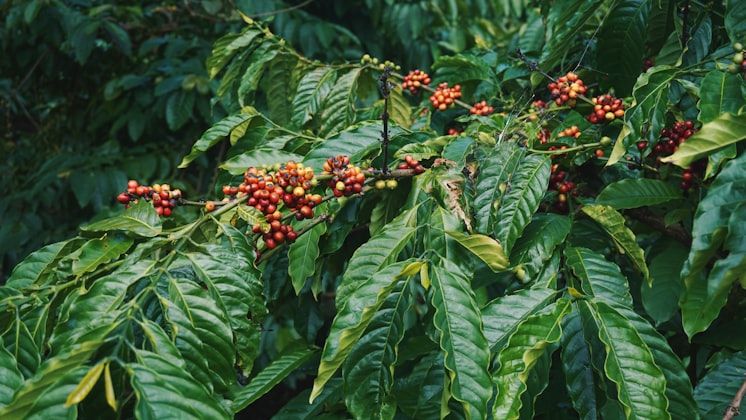
Obtained for extraction with CO₂ supercritic or with solvent from the chicchi torrefatti of Coffea arabic L. or of Coffea canephora Pierre ex TO.Froehner (coffee arabic or robusta), plants arbustive of the Rubiacee originarie of the Etiopia (C. arabic) and of the Africa equatorial western (C. canephora), coltivate in all the Paesi of the fascia tropical among the Tropici of the Cancro and of the Capricorno. The processo of tostatura is fundamental for the sviluppo of the aroma: the chicchi verdi contain precursori which si trasformano attraverso the reazioni of Maillard and pirolisi termic in over 800 composti volatili identificati in the tazza. The phytochemical profile of the absolute is dominated from pirazine (2-metilpirazina, 2,5-dimetilpirazina), furfural, metilpirroli and guaiacolo — the molecules which generano the characteristic aroma toastato, fumoso and bitter of the coffee. In perfumery is used as note gourmand of heart-fondo of large potere evocative. In aromatherapy has properties stimolant of the nervous system, antiossidant, analgesic and vasocostrittive. Heart note-fondo tostata, fumosa and intensaly evocative.
 Top
Rutaceae
Top
Rutaceae
Combava
 Combava
 Citrus hystrix
Extracted by cold pressing or distillation from the peel and from the leaves of Citrus hystrix DC. (combava, kaffir lime, lime mauriziano), citrus fruit spinous of the Rutaceae native of the Asia tropical — probably isole of Mauritius or Indonesia — widely cultivated in Southeast Asiatico, where the leaves to doppio lobo characteristic are a ingredient imprescindible of the kitchen tailandese, cambogiana and indonesiana. The combava is identificable to colpo of occhio for the peel strongly verrucous and the leaves 'doppie' with picciolo alato. The phytochemical profile of the peel is dominated from β-pinene (40-60%), limonene (15-25%) and sabinene, with citronellal in traces; the leaves have invece citronellol (60-80%) and linalool — a profile completaly different from the peel. In aromatherapy the peel is used as antiseptic environmental fresh, digestive and carminative, mentre the leaves are impiegate for the fragrance floral-citric intense and as insettifugo. The combava has properties depurative of the blood and antistress documented in the fitoterapia asiatic. Photosensitizing (pressofrigido). Top-to-heart note citrusy, fresh and intensaly citrina.
 Base
Lamiaceae
Base
Lamiaceae
Common Thyme
 Common Thyme
 Thymus vulgaris
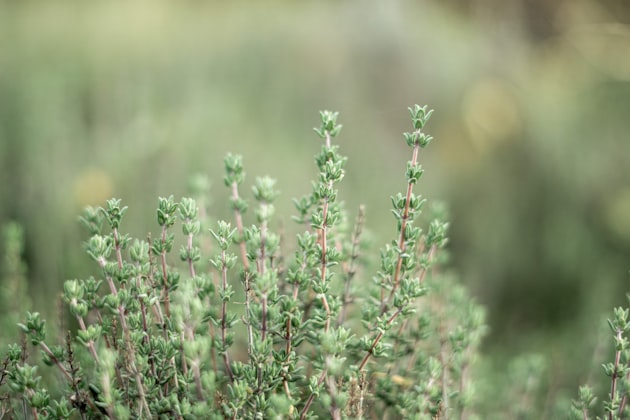
Extracted by steam distillation from the sommita flowering of Thymus vulgaris L. (thyme common, thym commun), small plant arbustive perennial of the Lamiaceae typical of the macchia mediterranea, widespread on soils calcarei assolati dto the Iberia to the Middle East. Among the plants medicinal more antiche of Europe: gia Dioscoride and Plinio descrivono the sue properties. The thyme presenta numerous chemotypes geografic radically different: CT thymol (Morocco, Tunisia — the more commercializzato), CT carvacrol (Sardinia, Turkey), CT linalool (Provence montana — the more safe), CT alpha-terpineol (montagna marocchina) and CT geraniol (rare localita French). The CT thymol has profile dominated from thymol (30-60%) and para-cimene (15-30%) with gamma-terpinene. The thymol and among the more powerful antibacterial fenolic natural conosciuti: active on MRSA, Candida albicans, biofilm and batteri multiresistent to the antibiotic. Requires diluition severa (max 0.5%) for causticita skin and mucosal of the phenols. In aromatherapy and used as antibacterial, antiviral, immune-stimulating powerful and tonic general. Contraindicated during pregnancy, epilepsy and children small. Top note warm, timolic, phenolic and herbaceous.
 Base
Fabaceae
Base
Fabaceae
Copaiba
 Copaiba
 Copaifera officinalis
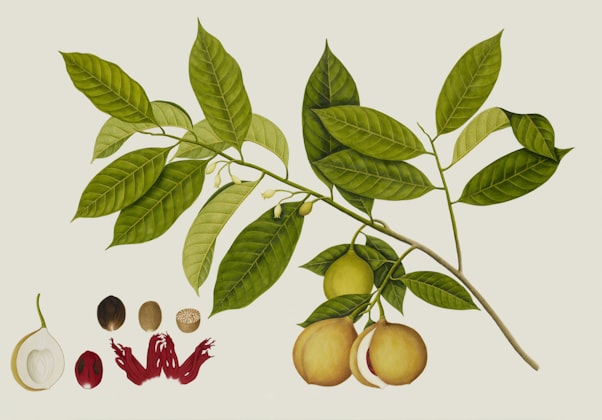
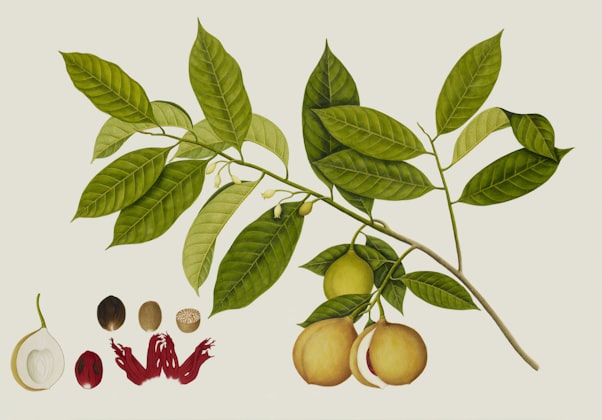
Extracted by steam distillation or for torchiatura from the resin (balm of copaiba) of varie species of Copaifera L. (copaiba), leguminous arboree of the Fabacee diffuse in the forests tropical of the South America (Brazil, Venezuela, Colombia, Perù) and in Africa equatorial western. The resin of copaiba is harvested perforando the tronco with to ascia or a trapano artigianal — to operation sustainable and not distruttive which can ripetersi annually sullo stesso tree for molti decenni without danneggiarlo. The phytochemical profile is dominated by sesquiterpenes: β-caryophyllene (40-70%), α-umulene and in some species copaeni and sesquiterpenes biciclic. L'altissima concentration of β-caryophyllene provides to the copaiba to eccezional activity anti-inflammatory mediata from the receptors CB2 of the sistema endocannabinoide — the copaiba is the essential oil more rich in β-caryophyllene disponible commercially, superando also the pepper black. In aromatherapy it is used as anti-inflammatory sistemic and skin, healing, antiseptic of the mucous membranes, analgesic and as support in the diseases infiammatorie cronic (arthritis, diseases intestinal). Base note balsamic, slightly pepata and sweet.
 Middle
Apiaceae
Middle
Apiaceae
Coriander
 Coriander
 Coriandrum sativum
Extracted by steam distillation from the fruits (seeds) mature of Coriandrum sativum L. (coriander, coriander), plant herbaceous annual of the Apiaceae native of the Mediterranean oriental and of the Middle East, cultivated from over 7.000 years (seeds trovati in the tomba of Tutankhamon). The coriander has a doppio uses culinario radically different: the seeds dried are dolci-speziati and used in all Europe, mentre the leaves fresh (cilantro) have a fragrance completaly opposto, amato in Asia and Americhe and detestato from about the 14% of the popolation European (predisposition genetic linked to the gene OR6TO2). The phytochemical profile of the oil from the seeds and dominated from linalool (60-80%) — the responsible of the fragrance floral-sweet — with camphorene, gamma-terpinene and beta-pinene. L'altissima concentration of linalool provides to the coriander eccellent properties ansiolitic, sedative, antibacterial and antifungal. In aromatherapy and used as anxiolytic and sedative sweet, antiseptic, digestive and carminative, antispasmodic and analgesic. The linalool of the oil of coriander and the terzo most widely used after the lavender and the petitgrain bigarade. Heart-to-top note fresh, floral, sweet and spicy.
Coriander (leaves)
 Coriander (leaves)
 Coriandrum sativum
Extracted by steam distillation from the leaves fresh of Coriandrum sativum L. (coriander, cilantro), plant annual of the Apiaceae native of the Middle East and of the Mediterranean oriental, cultivated universally as herb aromatic in kitchen. L'oil of leaves is chimicaly and aromaticly very different dto the oil of seeds: mentre the seeds are dominati from linalool floral (60-80%), the leaves contain mainly aldehydes alifatic as decanal, 2(AND)-decenal and dodecanal — responsible of the controverso aroma 'saponaceo-bugoso' which a part of the popolation percepisce as odor of cimice (dovuto to a polimorfismo genetic in the gene OR6TO2). The phytochemical profile of the leaves include also aldeide nonilic, terpineol and linalool in traces. In aromatherapy the oil of leaves is less used of quello of seeds but finds application as digestive and carminative, antibacterial food, antioxidant and as note aromatic polarizing in perfumery sperimental (or si ama or si odia). Top note green-herbaceous, aldeidic and polarizing.
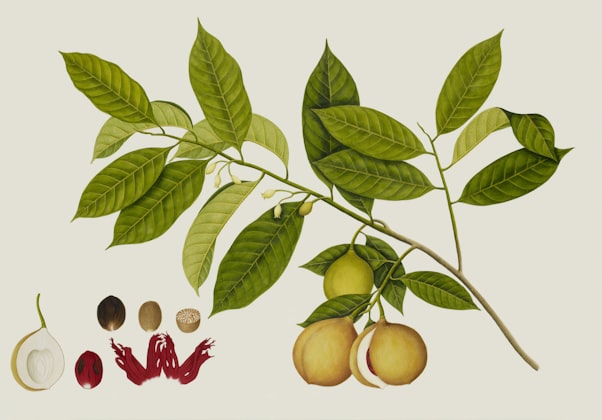 Middle
Apiaceae
Middle
Apiaceae
Cumin
 Cumin
Cumin Cuminum cyminum
Extracted by steam distillation from the seeds mature of Cuminum cyminum L. (cumin, cumin), plant herbaceous annual of the Apiaceae native of the Mediterranean oriental and of the Asia central, cultivated from at least 5.000 years as spice fundamental in the cucine of the Middle East, of the India, of the Nordafrica and of the America Latina. The cumin and the spice more citata in the Talmud and in the Vangelo of Matteo. The phytochemical profile is dominated by cuminal (25-45%) — to aldeide aromatic responsible of the odor pungent and characteristic — with gamma-terpinene (25-35%), para-cimene (10-25%) and beta-pinene. The cuminal has properties antibacterial documented against Staphylococcus aureus and AND. coli, antiossidant and digestive (stimulates the secretion pancreatic and enzimatic). L'oil of cumin and strongly photosensitizing and irritating skin to concentrations high: topical use max 0.2%. In aromatherapy and used as digestive powerful and carminative, stimulating of the secretion biliary and pancreatic, antibacterial and antioxidant. In perfumery and used in the note oriental, speziate and chypre. Top note pungent, spicy, warm and very characteristic.
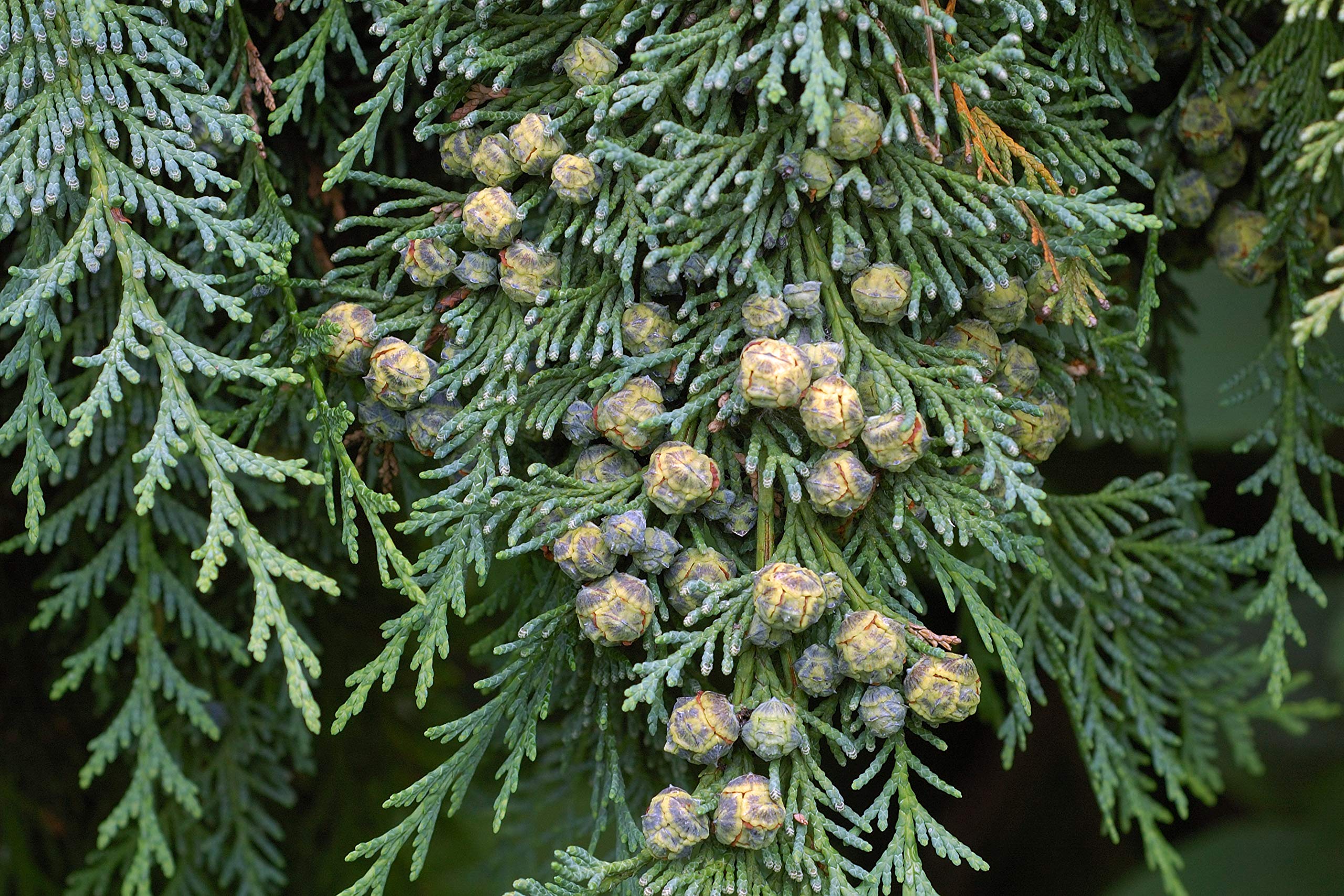 Middle
Cupressaceae
Middle
Cupressaceae
Cypress
 Cypress
 Cupressus sempervirens
Extracted by steam distillation from the parts verdi (branches fogliacei, coni immaturi) of Cupressus sempervirens L. (cypress common, cypress Mediterranean, Italian cypress), evergreen tree of the Cupressacee simbolo of the paesaggio italiano and Mediterranean, native of the Asia Minor and widespread in the Mediterranean from millenni as alberatura funeraria, ornamental and frangivento. Simbolo of immortality and mediation among vivi and morti in the traditions greche, romane and etrusche. The phytochemical profile is dominated by α-pinene (40-60%), δ-3-carene (15-25%) and cedrol (5-15%), with camfene, limonene and cedrolo — sesquiterpenes and monoterpenes with documented activity venotonotnic. The δ-3-carene and the cedrol are the components with maggiore affinity for the sistema venous and lymphatic. In aromatherapy the cypress is the oil of choice for the problems circolatori venosi — varici, legs pesanti, emorroidi, edemi linfatic — as astringent and as natural deodorant. Has also properties antispasmodic for the cough and properties of restrition of the pori skin. Heart-to-top note resinous, fresh and boscous.
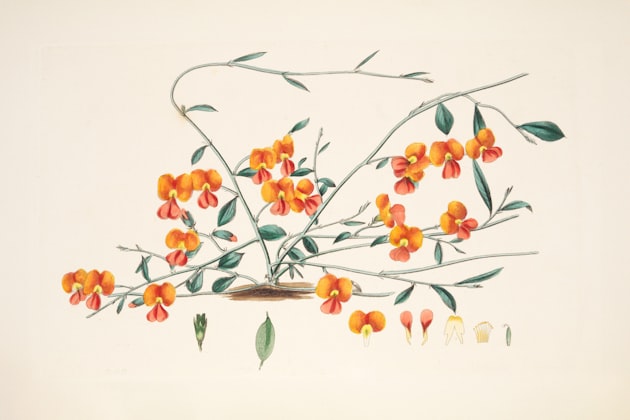 Base
Cupressaceae
Base
Cupressaceae
Cypress blue
 Cypress blue
 Callitris intratropica
Extracted by steam distillation from the wood of Callitris intratropic R.T.Baker & H.G.Sm. (cypress blue australiano, blue cypress), conifera of the Cupressacee endemic of the Australia northern (Northern Territory, Queensland northern), where grows in the savane tropical and in the forests aperte on soils sabbious ben drenati. The name 'cypress blue' derives from the colore characteristic of the oil distillate, which assume a tonality blue-indaco for the presence of guaiazulene — a sesquiterpene azzurro product from the decomposition pirolitic of the guaiolo during the distillation, analogo to the chamazulene of the chamomile common. The phytochemical profile is dominated by guaiazulene (6-12%), γ-eudesmolo, β-eudesmolo and α-eudesmolo — sesquiterpenes alcoholic with documented activity anti-inflammatory, healing and antioxidant. In aromatherapy it is used as anti-inflammatory skin of first choice for eczema, psoriasis, rosacea and dermatiti irritative, as antiallergic, healing and antiistaminic natural. The guaiazulene is responsible also of the documented antibacterial properties and antifungal skin. The fragrance is dry, woody and slightly fumoso, with a complessity earthy-resinous only among the conifere australiane. Heart note-base earthy, resinous and caratteristicaly azzurra.
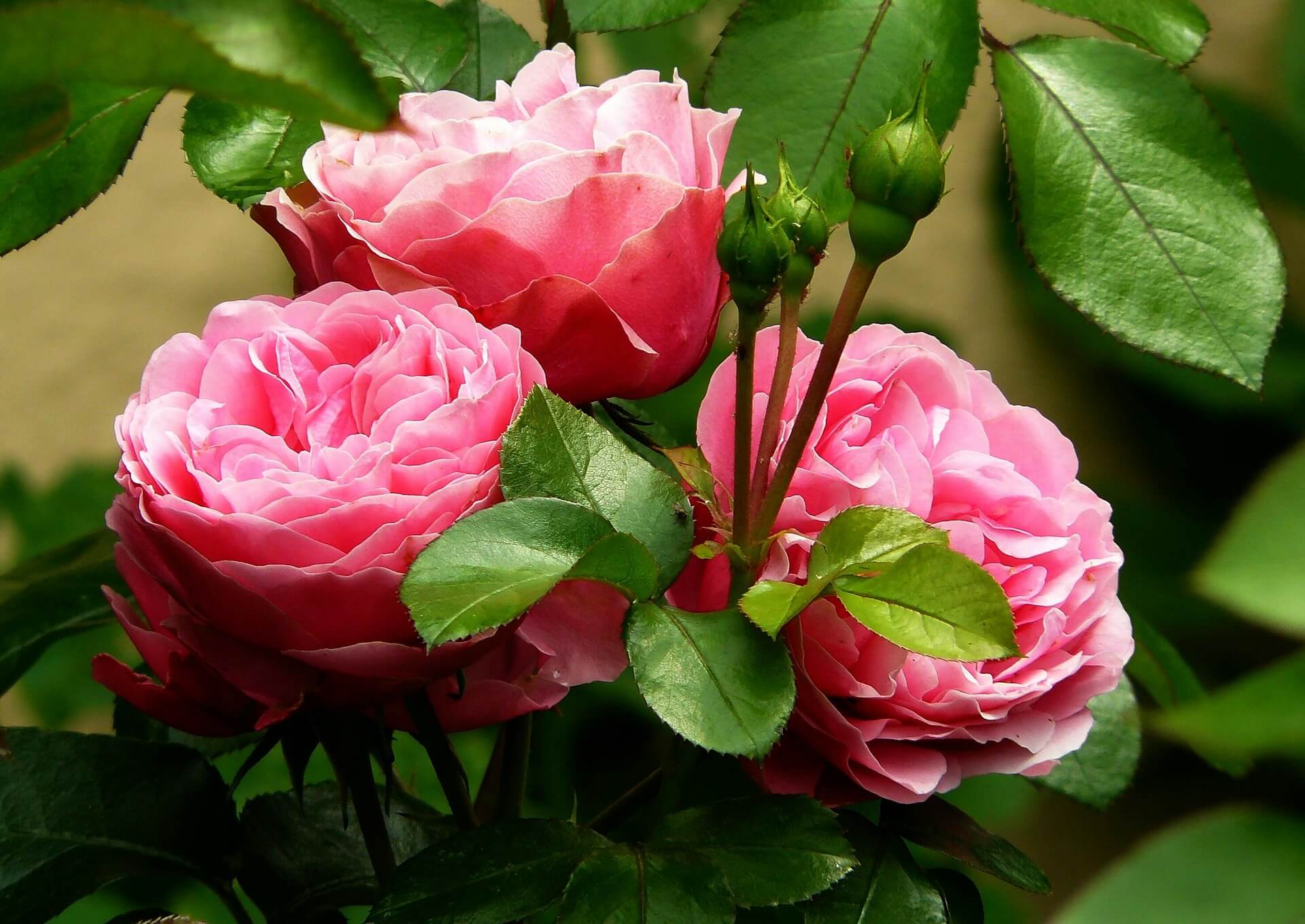 Middle
Rosaceae
Middle
Rosaceae
Damask Rose
 Damask Rose
 Rosa × damascena
Obtained for steam distillation (rose water + oil) or for solvent extraction (absolute) from the petals fresh of Rose × damascena Mill. (rose damascena, rose of Damasco) or of Rose × centifolia L. (rose of maggio, rose cabbage), rose ibride of the Rosacee coltivate mainly in Bulgaria (Valle of the Rose in Tracia), Turkey (Isparta), Morocco and Iran. L'rose oil is the more expensive among the essential oils of largo consumo — requires 3-5 tonnellate of petals for produce 1 kg of oil distillate (otto rose for a drop). The phytochemical profile is dominated by citronellol (35-55%), geraniol (15-25%) and nerol (5-10%), with dammasch-enone — the component responsible of the note 'rosaceo-honeyed' characteristic — and stearoptene (cere solide which solidificano the otto of rose to temperature environment). In aromatherapy the rose is the oil of choice for the amore, the pain emotional, the lutto and the depression; has astringent properties, cicatrizzant, afrodisiache, antiviral and estrogenic. Heart note floral, intense, warm and squisitaly rosaceo-honeyed.
 Middle
Asteraceae
Middle
Asteraceae
Dragoncello
 Dragoncello
 Artemisia dracunculus
Extracted by steam distillation from the parts aeree flowering of Artemisia dracunculus L. (estragone, dragoncello, tarragon), perennial herbaceous plant of the Asteracee native of the steppe of the Asia central (Mongolia, Siberia southern), naturalizzata in Europe and cultivated as herb aromatic from kitchen in France, Italy and Paesi mediterranei. L'estragone French (estragon) and indispensable in the kitchen classic French — sauce bearnaise, salsa tartara, fines herbes. The phytochemical profile is dominated by trans-anethole (50-70%), estragolo (metilchavicolo: 20-40%) and limonene. L'estragolo and classificato dto the EFSA as potenzial cancerogeno genotossic to doses high (stessa categoria of the metileugenolo) — use interno strongly sconsigliato in the formulations concentrate. In aromatherapy si usa with caution: the properties antispasmodic on the digestive system and on the sistema muscular liscio are eccellent, but the doses devono rimanere very low. Used as antispasmodic for colic, singhiozzo, spasms muscular involontari and as analgesic for the pain neuropatic. Top note sweet, anisata and slightly herbaceous.
 Middle / Top
Burseraceae
Middle / Top
Burseraceae
Elemi
 Elemi
Elemi Canarium luzonicum
Extracted by steam distillation from the resin of Canarium luzonicum (Blume) TO.Gray (elemi of the Philippines, Manila elemi), tree of the Burseracee endemic of the forests wet of the Philippines central and meridional. L'elemi and a resin balsamic morbida and fresh, different from the resine dure as the myrrh or the olibano, with a fragrance which reminiscent of the lemon, the fennel and the frankincense insieme. Era gia known in Europe in the XVI century as ingredient of the 'balsami of the quattro ladri' for the properties antisettic and cicatrizzant. The phytochemical profile is dominated by limonene (40-60%), alpha-phellandrene (15-20%) and terpinen-4-olo, with elemicina (5-8%) and beta-phellandrene as components caratteristic. L'elemicina and a fenilpropanoide with possible activity psicotropa to doses high (simile to the mescalina). In aromatherapy the elemi and used as healing for wounds cronic and mature skin (the cosmetic dermo-riparative the include frequentely), tonic of the nervous system with effect 'grounding' simile to the frankincense, expectorant and antiseptic gentle. Top-to-heart note fresh, citrina-fennic-balsanic and slightly spicy.
 Top
Myrtaceae
Top
Myrtaceae
Eucalyptus
 Eucalyptus
 Eucalyptus globulus
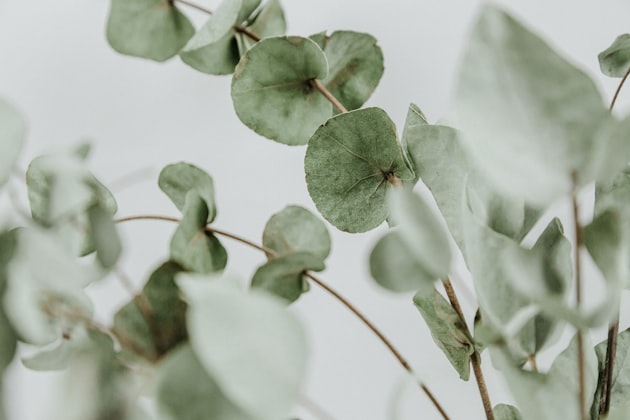
Extracted by steam distillation from the leaves mature of Eucalyptus globulus Labill. (common eucalyptus, blue gum), large tree of the Myrtaceae endemic of Tasmania and southern Victoria in Australia, now cultivated throughout the world warm-temperate for the production of timber, paper, essential oil and reforestation. L'eucalyptus is the decongestant respiratory natural more known and used in the world — its fragrance is a universal synonym of 'easy breathing'. The phytochemical profile is dominated by 1,8-cineole (eucalyptol, 60-85%), with α-pinene (10-15%), limonene and globulol. The 1,8-cineole has documented mechanism of action: activates the channels of the cold TRPM8, inhibits the leukotrienes and the 5-lipoxygenase, thins the bronchial mucus and has antibacterial activity with broad-spectrum activity. In aromatherapy is the expectorant and decongestant of choice for rhinitis, sinusitis, bronchitis and flu. Has also antiviral properties, immune-stimulating and analgesic. Contraindicated in children under the 3 years (risk apnea reflex). Very fresh top note, balsamic and penetrating.
 Top
Myrtaceae
Top
Myrtaceae
Eucalyptus Dives
 Eucalyptus Dives
 Eucalyptus dives
Extracted by steam distillation from the leaves of Eucalyptus dives Schauer (eucalyptus dives, broad-leaved peppermint), tree of the Myrtaceae endemic of the altopiani of the New South Wales and of the Victoria in Australia oriental, where grows on suoli poveri and roccious among the 600 and the 1.200 m of elevation. L'eucalyptus dives si distingue from the other eucalipti for the profile chemical radically different: invece of the 1,8-cineole dominant in AND. globulus and AND. radiata, contains mainly piperitone (40-60%) as key component, with alpha-phellandrene (15-30%) and terpinen-4-olo. The piperitone not espettora the mucus as the cineole, but ne reduces attivaly the viscosita, rendendolo ideal in the bronchitis with phlegm denso and difficile from mobilizzare. Contraindicated in children under the 12 years for neurotossicita of the ketones to doses high. In aromatherapy and the eucalyptus of choice in the bronchitis cronic, bronchiectasie, BPCO and situations with phlegm persistent and viscosissimo. Studies italiani ne have documented the efficacia in the mucoviscidous. Top note fresh, mentholated and medicinal.
Eucalyptus Staigeriana
 Eucalyptus Staigeriana
 Eucalyptus staigeriana
 Top
Myrtaceae
Top
Myrtaceae
Eucalyptus citriodora
 Eucalyptus citriodora
 Corymbia citriodora
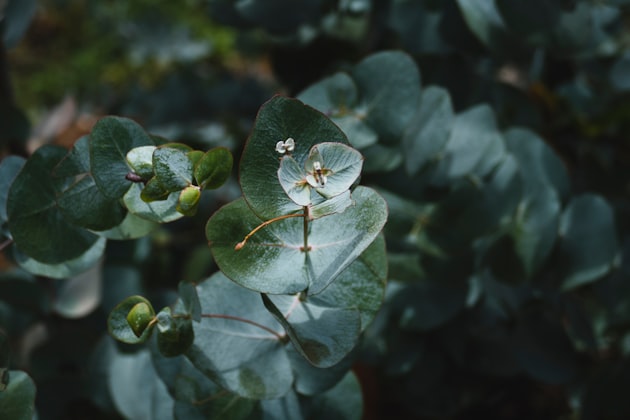
Extracted by steam distillation from the leaves of Eucalyptus citriodora Hook. (eucalyptus citriodora, lemon eucalyptus, syn. Corymbia citriodora), large tree of the Myrtaceae native of the Queensland in Australia oriental, where grows in the forests aperte of the soils poveri tropical and subtropical. From not confondere with the common eucalyptus (AND. globulus) or with the eucalyptus radiata for the properties completaly different. The phytochemical profile is dominated by citronellal (60-80%) — the component which provides the note limoncina intense — with citronellol (5-15%) and isopulegolo (3-8%). L'eucalyptus citriodora and the repellent natural for insects more effective after the DEET: the PMD (para-mentano-diol), derived dto the isopulegolo for ciclization, and the principio active of the product commercial 'Citriodiothe , recognized from the CDC americani as repellent effective against Aedes aegypti (dengue, zika). In aromatherapy and used as repellent powerful and duraturo for mosquitoes and insects tropical, antifungal, antiinfiammatorio for rheumatic pain and as base limoncina fresh. Top note strong, limoncina, citronellata and characteristic.
 Top
Myrtaceae
Top
Myrtaceae
Eucalyptus radiata
 Eucalyptus radiata
 Eucalyptus radiata
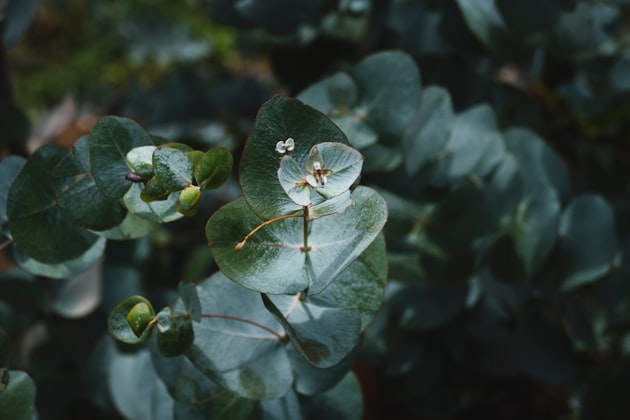
Obtained for steam distillation from the leaves mature and from the twigs of the Eucalyptus radiata Sieber ex DC. (eucalyptus to leaves strette), evergreen tree of the Myrtaceae native of the regions montuous of the Victoria (Australia sudoriental), where grows among the 600 and the 1.400 m. AND considered the most versatile and balanced of the eucalipti for use aromaterapic. The phytochemical profile is dominated by 1,8-cineole (eucalyptol, 60-75%) and α-terpineol (10-15%), with a composition more ricca in terpeni ossigenati compared to the AND. globulus — the which the makes less irritating, more tollerato from the sensory skin and suitable to the children (with caution above the 3 years). In aromatherapy and the remedy of choice for the conditions virali of the respiratory tract (flu, cold, bronchitis virali), for the profilassi antiinfettive and as antiviral sistemic. The confronto with the medications antiviral convenzional (Tamiflu) and state oggetto of ricerca. Antifungino, antibacterial and immune-stimulating with broad-spectrum activity. Top note fresh, balsamic and clean.
 Top
Myrtaceae
Top
Myrtaceae
Eucalyptus smithii
 Eucalyptus smithii
 Eucalyptus smithii
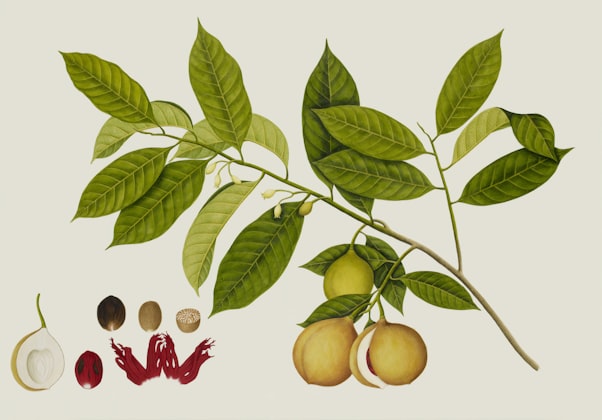
Extracted by steam distillation from the leaves mature of Eucalyptus smithii R.T.Baker (eucalyptus of Smith, gully gum), large tree of the Myrtaceae endemic of the altopiani umidi of the New South Wales and of the Victoria in Australia, where grows in the gole wet and lungo the corsi of water in formations forestal dense. Prende the name from the botanic australiano Richard Daniel Baker. The phytochemical profile is dominated by 1,8-cineole (70-85%) — among the concentrations more alte in qualsiasi species of Eucalyptus — with α-pinene, limonene and terpinen-4-olo. L'altissimo tenore of 1,8-cineole makes the AND. smithii the more effective expectorant and antiseptic respiratory among the eucalipti, with a dolcezza and a tollerability slightly upper to the AND. globulus for the sensory skin. In aromatherapy is considered the 'children-friendly' among the eucalipti (above the 3 years), recommended for raffreddori, bronchitis, sinusitis and otiti. Properties immune-stimulating and antiviral ben documented in letteratura. Top note strongly fresh, eucaliptoide and balsamic.
 Base
Fabaceae
Base
Fabaceae
Fava tonka
 Fava tonka
 Dipteryx odorata
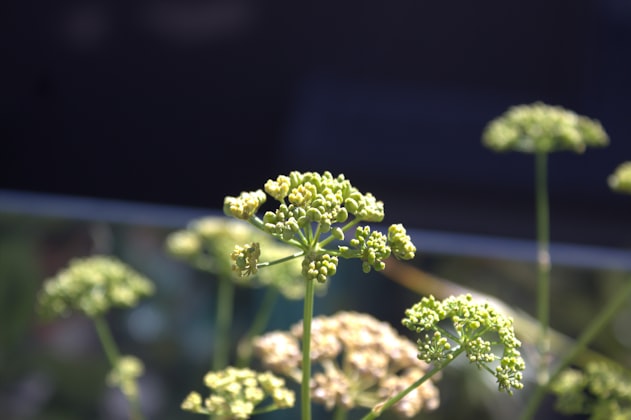
Obtained for extraction from the fava (seed dried and fermentato) of Dipteryx odorata (Aubl.) Willd. (tonka, cumaru), large tree leguminous of the Fabacee native of the Amazzonia (Venezuela, Trinidad, Guyana, Brazil northern), where the seeds caduti are raccolti and fermentati in the radure of the forests pluvial. The fave tonka contain cumarina (1-3%) in concentrations among the more high in natura — responsible of the characteristic fragrance of fieno appena tagliato, of almond, of vanilla and of tabacco. The cumarina era vietata in the aliment from the FDA americana in the years '50 for the tossicita hepatic to the ratti, but the divieto and state rivisto: the soglie attual EFSA are 0.1 mg/kg/day. In perfumery the fava tonka and a fixative high-quality in the perfumes oriental, maschili and gourmand: Guerlain Jicky, Habanita, Dior Fahrenheit. L'essential oil and dominated from cumarina, alcohol benzilic and benzaldeide. In aromatherapy and used with caution as anxiolytic and sedative mite, aphrodisiac discreto and aromatizing. Base note warm, vanigliato-mandorlata, fienous and persistent.
 Middle
Apiaceae
Middle
Apiaceae
Fennel
 Fennel
 Foeniculum vulgare
Extracted by steam distillation from the seeds mature of Foeniculum vulgare Mill. (fennel sweet, fennel, common fennel), perennial herbaceous plant or biennal of the Apiaceae widespread in all the Mediterranean and now cultivated in India, China, Egypt and America. The fennel and a plant medicinal fundamental of all the traditions: Dioscoride the citava for the colic infantili, and the its essential oil and among the most widely used in pediatria for the treatment of the colic gassous. The phytochemical profile is dominated by trans-anethole (55-75%) — the component dto the odor characteristic of anise — with fenchone (8-20%), alpha-phellandrene and limonene. L'anethole has properties estrogenic (fitoestrogeno), antispasmodic on the muscolatura liscia, galattogoge (stimulates the production of milk) and powerful carminative. The fenchone contributes to the properties digestive and to the action bitter-aromatic. Contraindicated during pregnancy (estrogenic), epilepsy and children small (neurotossicita of the fenchone to doses high). In aromatherapy and used as antispasmodic and carminative digestive, galattogogo, antitussive and as aperitive bitter. Top note sweet, anisata and slightly herbaceous.
 Middle
Apiaceae
Middle
Apiaceae
Fennel marino
 Fennel marino
 Crithmum maritimum
Extracted by steam distillation from the leaves of Eucalyptus dives Schauer (eucalyptus dives, broad-leaved peppermint), tree of the Myrtaceae endemic of the altopiani of the New South Wales and of the Victoria in Australia, where grows on suoli poveri and roccious among the 600 and the 1.200 m. The dives si distingue from the other eucalipti for the phytochemical profile completaly different: invece of the 1,8-cineole dominant in AND. globulus and AND. radiata, the AND. dives contains mainly piperitone (40-60%) — a chetone monoterpenic with properties mucoregolant eccellent — with α-phellandrene (15-30%) and terpinen-4-olo. The piperitone is the component responsible of the action mucoregolant (not only expectorant but which reduces the viscosity of the mucus) which makes the AND. dives recommended in the bronchitis with mucus viscosissimo and difficile from espettorare. Contraindicated in children under the 12 years (the piperitone is neurotossic to the doses high). In aromatherapy is the eucalyptus of choice for the bronchitis cronic and the bronchiectasie, the BPCO and the situations with phlegm persistent. Top note fresh, mentholated and medicinal.
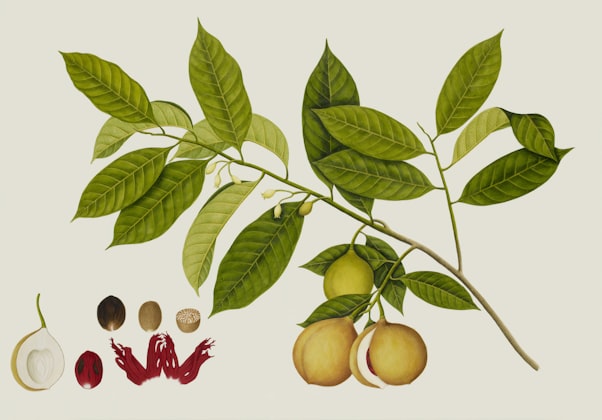 Top
Pinaceae
Top
Pinaceae
Fir balsamic
 Fir balsamic
 Abies balsamea
Extracted by steam distillation dto the ago and from the twigs young of the Abies balsamea (L.) Mill. (fir balsamic of the Canada, fir canadese), conifera of the Pinaceae widespread in the forests boreal of the North North America — from the Labrador to the Minnesota, from the livello of the mare up to to 1.700 m of elevation. The name 'balsamic' derives from the vescicole resinous present on the bark (blisters) which contain a oleoresina chiara chiamata 'balm of the Canada', used historically in the ottica as adesive for lenti and coprivetrini. The phytochemical profile is dominated by monoterpenes: β-pinene (30-45%), α-pinene (10-20%), canfene and δ-3-carene, with limonene and bornyl-acetate. L'abbondanza of pineni provides to the oil eccellent antiseptic properties respiratory, decongestionant and toniche. In aromatherapy it is used as expectorant and decongestant in the conditions invernal of the airways, as tonic of the nervous system autonomo in case of asthenia and fatigue chronic, and as purifying environmental with aroma boscous winter. is particularly apprezzato in the blend natalizie and in the compositions evocative of the forests nordic. Top-to-heart note fresh, resinous and balsamic.
 Top
Pinaceae
Top
Pinaceae
Fir of Douglas
 Fir of Douglas
 Pseudotsuga menziesii
Extracted by steam distillation from the needles and from the twigs of Pseudotsuga menziesii (Mirb.) Franco (fir of Douglas, douglas fir), large conifera of the Pinaceae native of the costa of the Pacifico nordamericano — from the British Columbia to the California — where raggiunge altezze up to to 100 m, rendendolo one of the trees more alti of the pianeta. The name onora the botanic scozzese David Douglas which the introdusse in Europe in the 1827. The phytochemical profile is dominated by β-pinene (20-35%), α-pinene (20-30%), sabinene and limonene, with bornyl-acetate and citronellal in traces — which provide a note fresh-citrina insolita among the conifere. In aromatherapy it is used as expectorant and tonic of the sistema respiratory, stimulating energetic of the nervous system in case of asthenia, analgesic muscular light and purifying environmental. The fragrance is percettivaly more fresh and citrusy compared to the pine Scots classic, with a quality arborea clean. Recommended in the protocolli of riequilibrio nervous during the cambi stagional. Top note fresh, resinous and slightly citrina.
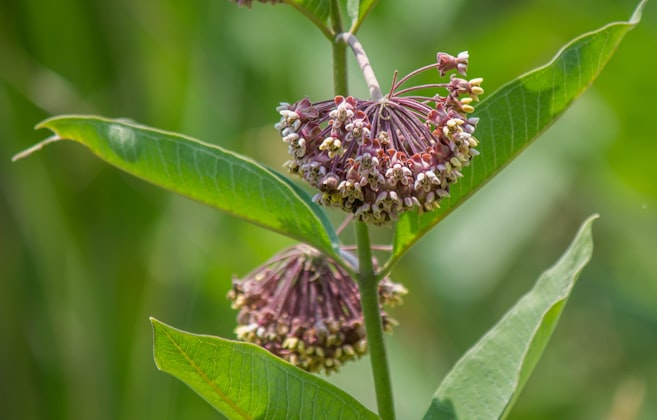 Top
Pinaceae
Top
Pinaceae
Fir siberiano
 Fir siberiano
 Abies sibirica
Extracted by steam distillation from the needles and from the twigs young of the Abies sibiric Ledeb. (fir siberiano, pichta), conifera of the Pinaceae widespread in the immense forests boreal of the Russia (from the Siberia western up to to the Urali) and of the Asia central northern, where costituisce forests pure or miste with the pine Scots and the larice in the areas more continental and fredde. L'fir siberiano is the fonte main of essential oil of fir commercializzato in Russia and in the Paesi of the ex Unione Sovietica, where has a lunga tradition as remedy popolare for the conditions respiratory. The phytochemical profile is dominated by bornyl-acetate (30-45%), β-phellandrene, α-pinene and camfene, with the acetate of bornyl responsible of the note characteristic fresh-resinous typical of the abetaie siberiane. In aromatherapy it is used as expectorant, antiseptic of the respiratory tract, stimulating immunitario winter, analgesic muscular and purifying environmental. The fragrance evokes the forests of conifere of the North with a note balsamic clean and intense. Top-to-heart note fresh, resinous and boscous.
Fokienia
 Fokienia
 Fokienia hodginsii
Extracted by steam distillation from the wood of Fokienia hodginsii (Dunn) TO.Henry & H.H.Thomas (fokienia, Fujian cypress), conifera of the Cupressacee endemic of the China southern (Fujian, Sichuan, Yunnan, Guizhou) and of the Vietnam northern, where grows in the forests montane wet among the 1.000 and the 2.200 m of elevation. Fokienia is a genus monotipic — comprende to only species vivente — classificato as vulnerable dto the IUCN for the pressione of the disboscamento selettive of the its high-quality wood aromatic. The phytochemical profile is eccezionally ricco in sesquiterpenes alcoholic: fokienolo (30-50%), cubebol, nor-cubebol and α-curcumene — a composition rare which si avvicina to the profile of the sandalwood but with a carattere more dry and earthy. The fokienolo has dimostrato properties antiossidant, antifungal and insettifughe. In aromatherapy it is used as sedative sweet of the nervous system, tonic venous and lymphatic, repellent for insects and moths and as alternative etica to the sandalwood in the compositions legnous of meditation. The fragrance is warm, dry and nobilly ligneo, with a profondity quieta. Base note woody, cedrous and meditative.
Fragonia
 Fragonia
 Agonis fragrans
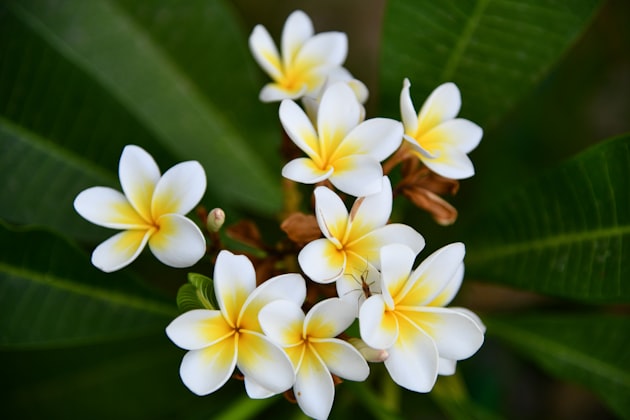 Middle
Apocynaceae
Middle
Apocynaceae
Frangipani
 Frangipani
 Plumeria rubra
Obtained for solvent extraction (absolute) from the flowers of Plumeria rubra L. (frangipani, plumeria, pagoda tree, templetree), tree deciduo tropical of the Apocynacee native of the America central (Messico, Centro America) and of the Antille, today cultivated in all the regions tropical as ornamental sacro in the cimiteri and in the templi buddisti and hindu. The name 'frangipani' derives from the marchese Muzio Frangipani, nobile romano of the XVI century which creo a fragrance of guanti profumati with a fragrance which imitava quella of this plant. The assolute of frangipani are rare and costous; molte 'essenze of frangipani' in commercio are ricostrutions sintetic. The phytochemical profile autentic include linalool, benzyl-alcohol, metilbenzoato, farnesolo, nerolidolo and alpha-ionone — responsible of the fragrance sweet-creamy-floral with note of vanilla, jasmine and nut of cocco caratteristic. In perfumery the frangipani and classificato among the 'tropical florals'. In aromatherapy and used as antidepressant, aphrodisiac sweet, anxiolytic and for the ridution of the stress. Heart note floral, creamy, exotic-tropical and sweet.
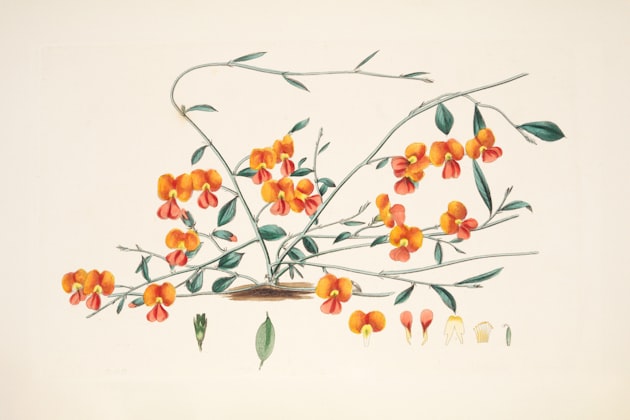 Base / Middle
Burseraceae
Base / Middle
Burseraceae
Frankincense
 Frankincense
 Boswellia carterii
Extracted by steam distillation or for extraction of the resin of Boswellia sacra Flueck. (frankincense, olibano, frankincense), small tree or shrub of the Burseracee native of the penisola arabic (Oman, Yemen, Somalia), where grows on soils roccious calcarei aridi in the areas coastal and interne. L'frankincense and a of the resine sacre more antiche of the umanita: used in the templi egizi, greci, romani, ebraic, cristiani and islamic from over 5.000 years. The phytochemical profile of the resin distillata and dominated from alpha-pinene (20-40%), limonene (15-25%) and octil-acetate (5-15%), with para-cimene, verbenone and thymol in traces. The resin of the frankincense contains acidi boswellic — sesquiterpenes not-volatili — with powerful activity anti-inflammatory (inibitori of the 5-lipoxygenase) which not si ritrovano in the oil distillate but are present in the estratti resinous. In aromatherapy the oil and used as anxiolytic and meditative deep, immunomodulant, healing skin anti-invecchiamento, expectorant and as fragrance ritual in the traditions spiritual of all the world. Heart note-fondo resinous, balsamic, fresh and meditative.
Frankincense frereana
 Frankincense frereana
 Boswellia frereana
Obtained for steam distillation from the gommoresina of Boswellia frereana Birdw. (frankincense frereana, maydi, yigaar), tree of the Burseracee endemic of the regions coastal and sub-coastal of the Somalia northern (Somaliland) and of Gibuti, where grows on the scarpate calcaree aride. The frereana is considered from molti esperti the quality more high-quality of frankincense in the world — the its resin to forma of 'artigli' or stalattiti is used traditionally in Somalia as mastice from masticare and fragrance of altissima quality. Si distingue from the other boswellia for the assenza of acidi boswellic (the molecules anti-inflammatory farmacologicaly more studiate in the other incensi), and is invece ricco in monoterpenes: α-pinene (65-75%), β-pinene and limonene. This composition the provides a fragrance more fresh, arioso and quasi fruity compared to the frankincense sacra (B. sacra) or to the carterii (B. carterii). In aromatherapy it is used as purifying environmental, antiseptic of the respiratory tract, anxiolytic light and as fragrance of meditation. Top-to-heart note fresh, resinous and ariosaly earthy.
Galanga
 Galanga
 Alpinia officinarum
Extracted by steam distillation from the rhizomes fresh or dried of Alpinia galanga (L.) Willd. (galanga maggiore) or of Alpinia officinarum Hance (galanga minor), plants rizomatous perenni of the Zingiberacee originarie of the South Asia and oriental — Indonesia, Thailandia, China southern — where the rhizomes are impiegati as spice fundamental in the cucine tailandese, indonesiana and malese. The galanga is intimaly linked to the kitchen of the Southeast Asiatico (indispensable in the Tom Kha Gai thailandese) and to the fitoterapia traditional ayurvedic and Chinese. The phytochemical profile is dominated by 1,8-cineole (40-60%), α-pinene, β-pinene and camfene, with metil-cinamato and acetossicavicolo-acetate (characteristic of the galanga and responsible of the antifungal properties). In aromatherapy it is used as digestive and powerful carminative, antiemitic (counteracts the nausea), anti-inflammatory, antifungal and as stimulating circolatorio. Has also properties adattogene and immunomodulant documented in the letteratura traditional Chinese. The fragrance fresh and spicy is simile to the ginger but more eucaliptoide. Top-to-heart note fresh, spicy and slightly canforata.
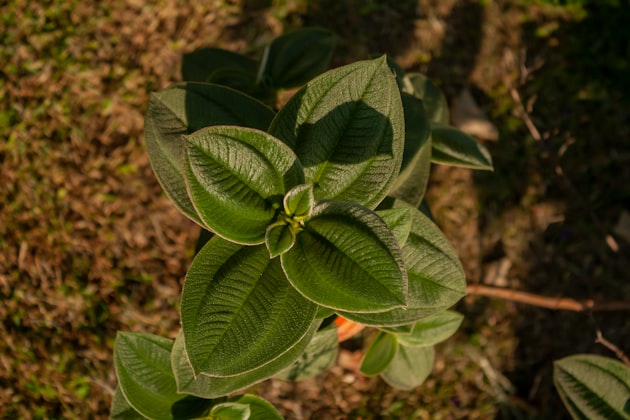 Middle
Apiaceae
Middle
Apiaceae
Galbano
 Galbano
 Ferula galbanifera
Obtained for steam distillation from the gommoresina harvested for incisione from Ferula galbaniflua Boiss. & Buhse (sin. F. gummous Boiss.), large perennial herbaceous plant of the Apiaceae native of the Iran northern and of the Middle East. The galbano and a of the sostanze aromatic more antiche documented: and menzionato in the Esodo biblic as component of the frankincense sacro of the Tempio of Gerusalemme. The phytochemical profile and very peculiare: ricco in β-pinene (50-70%), α-pinene, δ-3-carene and cadinolo, with a note green-foliata of the all characteristic which derives from the component minor not terpenic pirrazinal. The note green-foliata of the galbano and without equal in the world of the essential oils — small quantita are capaci of dare 'vita' to qualsiasi accord floral. In aromatherapy and used as healing and anti-inflammatory for wounds and ulcere skin, as antiartritic, as expectorant mucoregolatore and as antispastic. In perfumery and a fixative and a green of altissimo profile. Top-to-heart note green-foliata, balsamic and earthy.
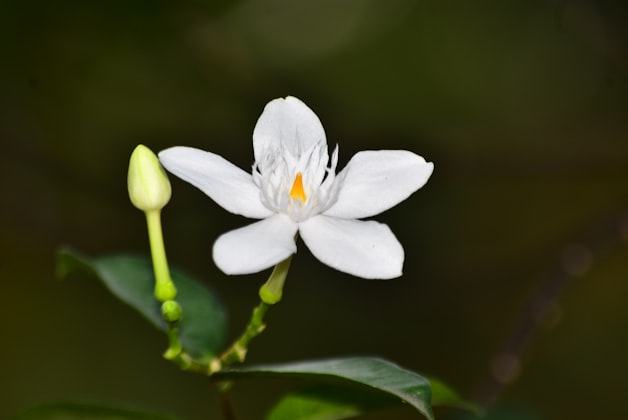 Middle
Rubiaceae
Middle
Rubiaceae
Gardenia
 Gardenia
 Gardenia jasminoides
Obtained for solvent extraction (absolute) from the flowers of Gardenia jasminoides J.Ellis (gardenia, cape jasmine), evergreen shrub of the Rubiacee native of the China southern and of the Japan, cultivated as plant ornamental in the regions to clima warm-temperate. The flower white lattiginous of the gardenia and one of the more profumati in the emisfero oriental, simbolo of amore undiluted in China and Japan. The assolute of gardenia are very rare and costous; the maggior part in the perfumes with note of gardenia usa compositions sintetic which imitano the profile natural. The phytochemical profile autentic and dominated from linalool, benzyl-acetate, acetate of esile, metilbenzoato, indolo and para-cresolo — a struttura complessa floral-lattea-indolic. L'indolo and the para-cresolo provide to the gardenia the sue note animal discrete which the distinguono from the jasmine undiluted. In perfumery the gardenia note are present in moltissimi classic: Chanel No. 5, Joy of Patou. In aromatherapy and used as antidepressant, afrodisiaca gentle, anxiolytic and sedative. Heart note floral, white, milk and slightly indolic.
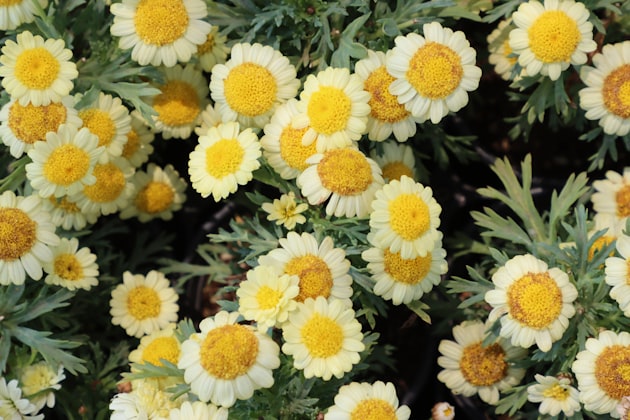 Middle
Asteraceae
Middle
Asteraceae
German Chamomile
 German Chamomile
 Matricaria chamomilla
Extracted by steam distillation from the sommita flowering of Anthemis mixta L. (chamomile mista, chamomile common) or of Chamaemelum nobile (L.) All. (chamomile Roman — but vedi voce specific), plant herbaceous annual of the Asteracee widespread in the areas mediterranee on the soils agricoli, to the bordi of the strade and of the campi. The 'chamomile common' (Anthemis mixta) and less known and studiata of the chamomile Roman (C. nobile) and of the chamomile tedesca (Matricaria chamomilla). The phytochemical profile varia significativaly among the species of the genus Anthemis: generally ricco in esters monoterpenic (butile-angelicate, isobutile-angelicate), with ossidi terpenic and articolo-sessquiterpeni. The properties are analoghe but more blande of the camomille more studiate: anti-inflammatory moderate, antispasmodic, sedative light, carminative and healing skin. The camomille common are frequentely used in erboristeria as tisane calmant and digestive. In aromatherapy and used as anti-inflammatory skin sweet, antispasmodic digestive, sedative gentle and as tonic for sensory skin and reattive. Heart note sweet-herbaceous, floral of fieno and slightly fruity.
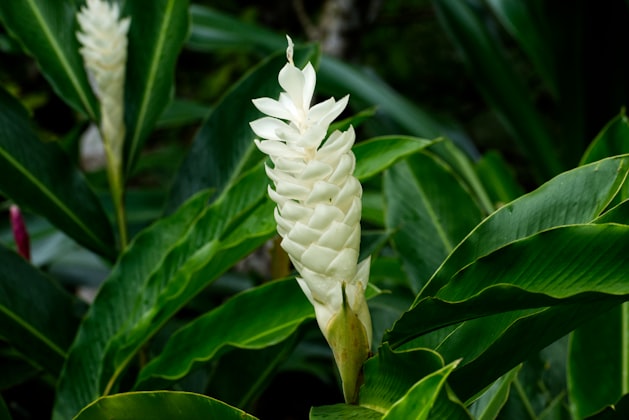 Middle
Zingiberaceae
Middle
Zingiberaceae
Ginger
 Ginger
 Zingiber officinale
Extracted by steam distillation from the rhizomes fresh or dried of Zingiber officinal Roscoe (ginger, ginger), plant rizomatous perennial of the Zingiberacee native of the Asia tropical (India, China, Japan), cultivated from over 5.000 years as spice, remedy medicinal and alimento funzional. The ginger and among the plants medicinal more studiate in the world: over 2.000 scientific publications document the properties. The phytochemical profile is dominated by zingiberene (25-35%), beta-bisabolene (10-15%), alpha-farnesene and beta-sesquifelandrene — sesquiterpenes with properties anti-inflammatory, antiemetic and digestive — with geranial and neral (citral) which contribuiscono to the note citrina. THE gingeroli (not-volatibi) are the responsible of the sapore piccant and of the properties antiossidant more powerful. In aromatherapy the ginger and used as antiemetic (pregnancy-related nausea, chemotherapy, mal of mare — with evidenza clinic robusta), digestive and carminative, analgesic joint rheumatic, aphrodisiac riscaldant and tonic circolatorio periferic. Heart note warm, spicy, slightly citrina and piccant.
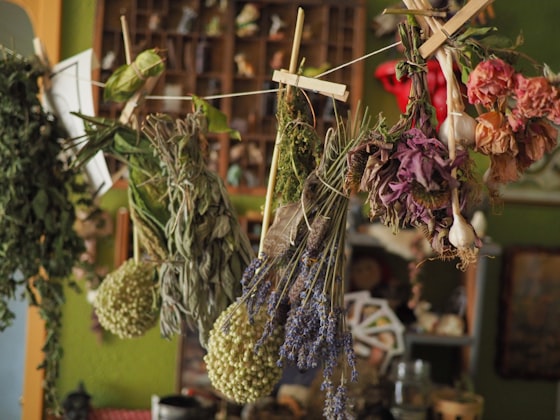 Top
Rutaceae
Top
Rutaceae
Grapefruit
 Grapefruit
 Citrus paradisii
Extracted by cold pressing from the fruit peel of Citrus x paradisi Macfad. (grapefruit, grapefruit), citrus fruit of the Rutaceae of probable origin ibrida (incrocio among pomelo and orange sweet) sviluppato in the Barbados in the XVIII century, today cultivated intensively in USA (Florida, California), Israele, Sudafrica and Cile. The grapefruit and one of the citrus fruits more recenti: the first menzione storic risale to the 1750. The phytochemical profile is dominated by d-limonene (88-95%), with nootkatone (0.1-0.3%) — the molecule responsible of the characteristic aroma amarognolo of the grapefruit, recognizable also to concentrations infinitesimal — and para-mentano-8-tiolo-3-one (moss grapefruit). The nootkatone has properties attivant of the AMPK, a enzima key in the metabolismo energetic, with potenzial application in the gestione of the peso corporeo (studies preclinic). In aromatherapy the grapefruit and used as drenant and detossificant lymphatic, toning of the metabolismo, antidepressant and mood tonic morning, purifying environmental and antiseptic. Photosensitizing if pressofrigido. Bright top note, fresh, citrusy and slightly amarognola.
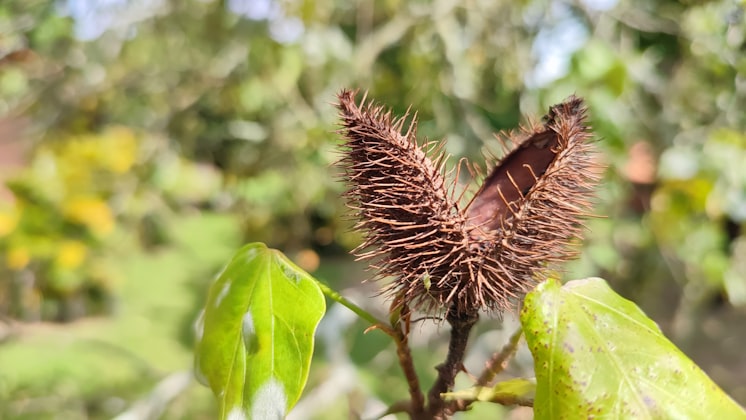 Base
Zygophyllaceae
Base
Zygophyllaceae
Guaiaco
 Guaiaco
 Bulnesia sarmientoi
Extracted by steam distillation from the wood of Bulnesia sarmient Lorentz ex Griseb. (guaiaco paraguaiano, palo holy of the Paraguay or 'guaiacwooof ), tree of the Zigofillacee widespread in the forests aride of the Gran Chaco (Argentina northern, Paraguay, Bolivia). Not va confuso with the Guaiacum officinal L. (wood holy medicinal of the Antille) né with the Bursera graveolens (palo holy ecuadoriano), nonostant the sovrapposition commercial of the nomi. The phytochemical profile is dominated by sesquiterpenes alcoholic: guaiolo (cis-guaiolo, 70-80%) — a alcohol sesquiterpenic which tende to cristallizzare to temperature environment, rendendo the oil often semisolido or pastous to temperature inferiori to the 20°C. The guaiolo is responsible of the action healing and anti-inflammatory documented, and of the characteristic fragrance woody-affumicato with sfumatura rosaceo-floral only in the world of the legni aromatic. In perfumery the wood of guaiaco is a ingredient classic of the fragrances legnous and of the fougères maschili — present in the composition original of molte icone of the XX century. In aromatherapy it is used as astringent of the mucous membranes, antireumatic topical and fixative of alta quality. Base note woody, affumicata and vagaly rosea.
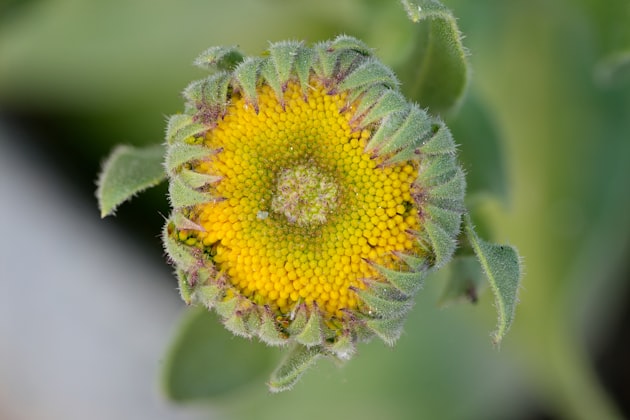 Middle
Asteraceae
Middle
Asteraceae
Helichrysum
 Helichrysum
 Helichrysum italicum (sin. H. angustifolium)
Extracted by steam distillation from the sommita flowering of Helichrysum italicum (Roth) G.Don (helichrysum italiano, immortelle, curry plant), evergreen shrub of the Asteracee endemic of the Mediterranean, widespread on the coasts sabbious and roccious of Italy, France, Corsica and isole, Dalmazia. The name 'immortelle' (immortal) derives from the characteristic of the flowers gialli of not appassire also after the harvested. L'helichrysum italiano and the only produttore of italidioni — dichetoni biciciclic esclusive of H. italicum — responsible of the eccezional action antiematoma, antiecchimotic and rigenerative skin which makes this oil only. The phytochemical profile is dominated by nerile-acetate (25-45%), nerolo (5-15%), gamma-curcumene and beta-dion — with italidione alpha and beta (2-5%) as marcatori of quality. The quality of the oil varia enormely in base to the origin: the Corsica and the Sardinia producono the oils more ricchi of italidioni. In aromatherapy and the oil of choice for ecchimous, ematomi, lividi, cicatrice ipercromic and for the rigeneration tissutal post-chirurgic. Has also properties antiallergic, anti-inflammatory, epatostimolant and antinvecchiamento skin. Heart note warm, honeyed, spicy and slightly herbaceous.
Helichrysum Madagascar
 Helichrysum Madagascar
 Helichrysum gymnocephalum
Extracted by steam distillation from the flowering tops of Helichrysum gymnocephalum (DC.) Humbert (helichrysum of the Madagascar, helichrysum gymnocephalum, rambiazina), shrub of the Asteraceae endemic of the Madagascar, botanicaly and chimicaly distinto dto the helichrysum italiano (H. italicum) with which not deve be confuso. L'helichrysum of the Madagascar grows in the regions central of the isola (altopiani merina) and is cultivated locally in the ambito of filiere of sviluppo sustainable which integrano the production of essential oils with the conservation of the patrimonio botanic malgascio. The phytochemical profile is dominated by 1,8-cineole (50-70%), with para-cimene, α-terpineol and γ-terpinene as components minor — a composition prevalentely to monoterpenes ossigenati which the differenzia nettaly dto the helichrysum italiano (dominated from nerile-acetate and italidioni cicatrizzant). This composition the avvicina funzionally to the ravensara and to the ravintsara for the antiviral properties, espettorant and immune-stimulating, mentre the activity healing-ecchimotic characteristic of the helichrysum italiano is assente in this species. In aromatherapy it is used as antiviral and immune-stimulating, expectorant of the respiratory tract, antibacterial with broad-spectrum activity and support winter. Top-to-heart note fresh, balsamic and eucaliptoide.
Iary
 Iary
Iary Psiadia altissima
Extracted by steam distillation from the wood of Ocotea cymosa (Nees) Mez (iary, ravensare odorant, havozo, ocotea), evergreen tree of the Lauracee endemic of the Madagascar oriental, where grows in the forests pluvial of low and media elevation of the regions coastal oriental. L'iary is talvolta commercializzato as 'ravensare odorant' for via of a confusione consolidata in the commercio internazional with the ravensara (Ravensara aromatic, Lauracee) — species botanicaly distinta with profile chemical radically different. The phytochemical profile of the iary is dominated from linalool (65-85%), with α-terpineol, geraniol and β-ocimene as components minor — a composition ad altissimo content of linalool analoga to the wood of rose (Aniba rosaeodora) and to the wood of ho (Cinnamomum camphora var. linaloolifera). The linalool with the sue sedative properties, antibacterial (active on MRSA), antifungal (Candida) and antiossidant provides to the iary a profile therapeutic of large interesse as alternative sustainable and economic to the wood of rose vulnerable. In aromatherapy it is used as anxiolytic sweet, antibacterial skin, antifungal and immune-stimulating. Top-to-heart note floral-woody and delicataly rosea.
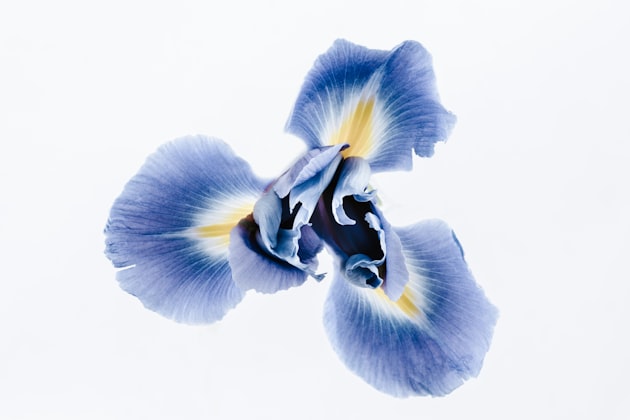 Base
Iridaceae
Base
Iridaceae
Iris
 Iris
Iris Iris florentina
L'essential oil of iris (meglio: butter or absolute of iris, noto as 'orris butter') and obtained for steam distillation or for extraction from the rhizome polverizzato and dried for 3-5 years of the Iris pallida Lam. or THE. germanic L., plants of the Iridacee coltivate to scopi profumieri mainly in Toscana (Firenze, Valdichiana) and in Morocco. The profrodotto commercial and quasi always a cera or a butter solido — not a oil liquido — with resa estrattive minima (0,1-0,3%) and costo among the more elevati in perfumery. The phytochemical profile is dominated by iridalidi sesquiterpenic (irone, trans-α-irone: 60-80%) and for tale motivo the vera note violet-polvere-cipriata which the iris comunic and insostituible: nessuna molecule of sintesi the replic fedelly. In aromatherapy and used as fixative of pregio in the miscele floreal and cipriate, as antiseptic skin gentle and as ingredient in formulations for skin mature. The note olfattive and pulviscolare, floral-violet, fredda and elegantissima. Heart note-base precious.
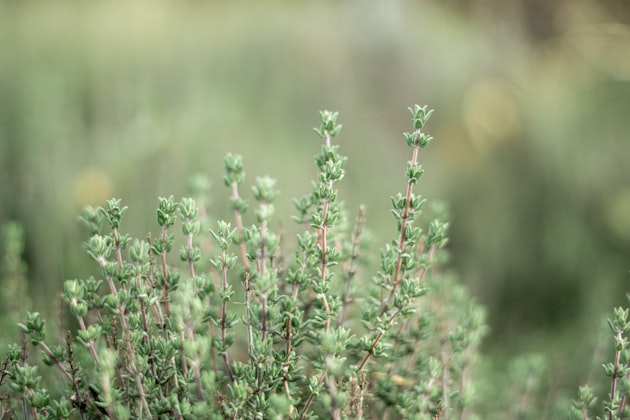 Middle
Lamiaceae
Middle
Lamiaceae
Issopo
 Issopo
 Hyssopus officinalis
Extracted by steam distillation from the sommita flowering of Hyssopus officinalis L. (issopo, hyssop), small plant arbustive perennial of the Lamiaceae widespread in the areas asciutte and roccious of the Mediterranean northern and of the Asia central, where grows on soils calcarei soleggiati. L'issopo and citato 29 times in the Bibbia (Salmo 51: 'purificami with the issopo and saro undiluted'), and tuttora used in the liturgia ebraic for the purification ritual. In the medicina monastic medieval era one of the rimedi principal for the diseases polmonari. The phytochemical profile is dominated by iso-pinocamphone (25-45%) and pinocamphone (20-35%) — ketones monoterpenic biciclic with documented neurotossicita convulsivant — with beta-pinene, limonene and germacrene-D. THE pinocamphone are the responsible of the action spasmolitic bronchial and of the properties anti-asmatic of the issopo, but are also neurotossic to doses high (convulsioni epilettiformi). In aromatherapy si usa with large caution: max 0.5% topical, contraindicated during pregnancy, epilepsy, children and anziani. Recommended for asthma, bronchitis spastic, cough dry. Heart note herbaceous, lievely mentholated and aromatic.
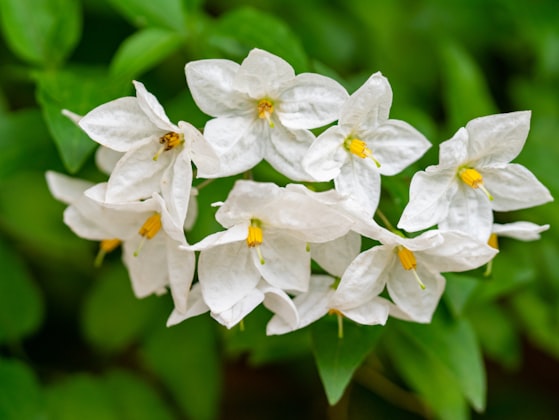 Middle / Base
Oleaceae
Middle / Base
Oleaceae
Jasmine
 Jasmine
 Jasminum officinale
L'oil absolute of jasmine and obtained for enfleurage, maceration to cold or solvent extraction from the flowers appena raccolti of the Jasminum grandiflorum L. (jasmine spagnolo or of Spain) or of the Jasminum sambac (L.) Aiton (jasmine of Arabia), plants of the Oleacee originarie rispettivaly of the Himalaya nordoccidental and of the South Asia. THE flowers are raccolti only of notte (when the fragrance and massimo) and processati immediataly: the resa and bassissima (5-8 milioni of flowers for 1 kg of absolute), the which makes the vero jasmine one of the ingredient more costous of the perfumery worldwide. The phytochemical profile and straordinarialy complesso: benzil-acetate (25%), linalool, fitolo, indolo, cis-giasmone and jasmolattone. L'indolo in traces contributes to the note carnal and sensual of the fragrance. In aromatherapy the absolute of jasmine and the re of the oils antidepressant and euforizzant: documenta in the sistema limbic effects positive on the mood paragonabili to quelli of the antidepressant mild. AND also aphrodisiac, uterotonic (from use with caution during pregnancy) and healing skin. Heart note floral-sweet and carnal.
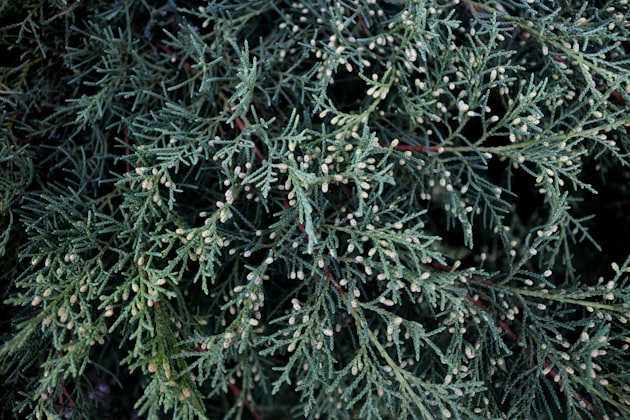 Base
Cupressaceae
Base
Cupressaceae
Juniper
 Juniper
 Juniperus communis
Extracted by steam distillation from the berries (galbule) mature of Juniperus communis L. (juniper common), shrub or small tree dioico of the Cupressacee with areale circumartic and boreal — from the Scandinavia to the Himalaya, from the Canada to the Patagonia southern — the distribution geografic more vasta among all the species arboree of the pianeta. The berries of juniper are the ingredient botanic fundamental and identificative of the gin (from the French 'genévrier', juniper), over which of the acquavite scandinava aquavit and of numerous liquori europei. The phytochemical profile of the berries is dominated from α-pinene (20-40%), sabinene (15-25%), myrcene (10-20%) and terpinen-4-olo, with α-terpinene and p-cimene as components secondari of rilievo. The terpinen-4-olo is the responsible main of the action diuretic (aumento of the diuresi of the 30% documented) and antiseptic urinaria of the juniper; the α-pinene contributes to the anti-inflammatory properties and broncodilatatorie. In aromatherapy it is used as diuretic and antiseptic of the vie urinary (cistiti, uretrite, renella), tonic of the nervous system, analgesic joint rheumatic, depurative and drenant lymphatic. Contraindicated in the nefropatie severe (can irritare the kidneys infiammati) and during pregnancy. Top-to-heart note fresh, resinous and slightly pepata.
 Base
Cupressaceae
Base
Cupressaceae
Juniper red
 Juniper red
 Juniperus oxycedrus
Extracted by steam distillation from the leaves and from the branches of Agonis fragrans (Turcz.) Briq. (fragonia), shrub of the Myrtaceae endemic of the Australia western (regione of Albany and of the costa sud-western), scoperto as oil aromaterapic only in the years 2000 and brevettato dto the azienda australiana Paperbark. The fragonia is one of the oils australiani more young and promettent, with a profile balanced only which the makes suitable to to broad gamma of applications. The phytochemical profile is dominated by a equilibrio quasi geometric among tre classi terpenic: monoterpenes (α-pinene, β-pinene: ~30%), ossidi terpenic (1,8-cineole: ~30%) and alcohols monoterpenic (terpinen-4-olo, α-terpineol: ~30%). This equilibrio rare is state descritto as corrispondent to the proportion aurea applicata to the chemical of the essential oils. In aromatherapy it is used as antiinfettive and immune-stimulating, analgesic and anti-inflammatory, anxiolytic and toning of the nervous system. Has also properties documented against biofilm batteric. Recommended for children above the 3 years. Top-to-heart note fresh, arborea and polivalent.
Kanuka
 Kanuka
 Kunzea ericoides
Extracted by steam distillation from the leaves and from the twigs of Kunzea ericoides (TO.Rich.) Joy Thomps. (kanuka, New Zealand white tea tree), large shrub or tree of the Myrtaceae endemic of the Nuova Zelanda, where grows to quote low in the forests coastal and on the colline, often in association with the manuka (Leptospermum scoparium). The kanuka is often confuso with the manuka in the letteratura of aromatherapy and in the commercio, nonostant differiscano significativaly for composition and properties: the manuka is ricco in flavesone, leptospermone and triketoni (alta antibacterial activity), mentre the kanuka has a profile more mite dominated from α-pinene (50-60%), β-pinene and limonene. This composition more monoterpenic provides to the kanuka eccellent properties antiinfiammatorie, antireumatic and analgesic, with minor antibacterial activity compared to the manuka. In aromatherapy it is used as anti-inflammatory joint, analgesic muscular, tonic of the nervous system and as expectorant light. is recommended for arthritis, rheumatism and muscle pain cronic. Top-to-heart note fresh, resinous and lievely medicinal.
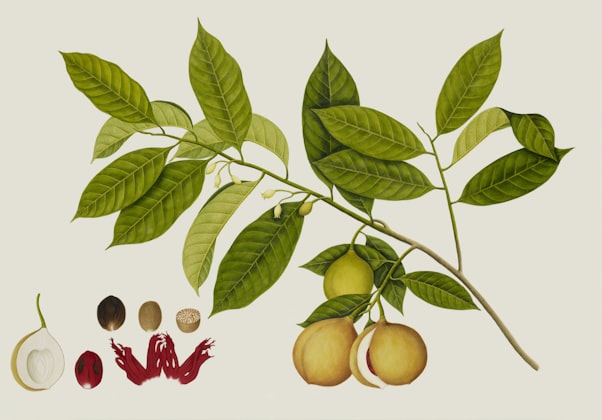 Middle
Ptaeroxylaceae
Middle
Ptaeroxylaceae
Katrafay
 Katrafay
 Cedrelopsis grevei
Extracted by steam distillation from the bark of Cedrelopsis grevei Baill. (katrafay), tree endemic of the Madagascar western and southern of the Ptaeroxylacee (or Rutaceae secondo some classifications), which grows in the forests secche decidue of the versant sottoventous of the isola to quote among 0 and 700 m. The katrafay is one of the oils more prezious and less conosciuti of the pharmacopoeia malgascia, where is used traditionally as tonic muscular and analgesic, specially for the pain postparto, the artralgie and the fatigue from sovraffaticamento. The phytochemical profile is dominated by sesquiterpenes ossidrilati and ketones sesquiterpenic — in particular δ-cadinolo, α-cadinolo and elemolo — with components minor of tipo guaiazulenic responsible of the activity anti-inflammatory documented in letteratura farmacognostic. The composition terpenic provides to the oil a marcata action miorelaxing, antioxidant and antioxidant which the makes suitable to the massage sportive and to the recupero muscular post-allenamento. In aromatherapy European is used as analgesic muscular and joint, rivitalizing circolatorio and as support in the protocolli of detossification skin. Base note warm, earthy and slightly muschiata with sfondo resinous.
Kunzea
 Kunzea
 Kunzea ambigua
Extracted by steam distillation from the leaves and from the twigs of Kunzea ambigua (Sm.) Druce (kunzea, tick bush, white kunzea), shrub of the Myrtaceae endemic of the Australia oriental and of Tasmania, where grows on suoli sabbious poveri and roccious esposti to the sun. The kunzea is stata oggetto of ricerca approfondita dto the Università of Tasmania, which has documented the sue eccezional anti-inflammatory properties and analgesic attraverso studies clinic controllati. The phytochemical profile is dominated by α-pinene (40-55%), 1,8-cineole (15-25%) and globulol, with viridiflorolo and ledolo as sesquiterpenes ossigenati caratteristic of the species. L'α-pinene in concentrations così high is ritenuto responsible main of the anti-inflammatory properties (inhibitor of the COX-2) and broncodilatatorie. The viridiflorolo and the ledolo contribuiscono to the healing properties and immunomodulatric. In aromatherapy it is used as anti-inflammatory joint and muscular of first choice (arthritis reumatoide, fibromialgia, pain cronic), expectorant and tonic respiratory, healing skin and immune-stimulating. Studies clinic australiani ne have documented the efficacia for the pain chronic. Top note fresh, resinous and slightly medicinal.
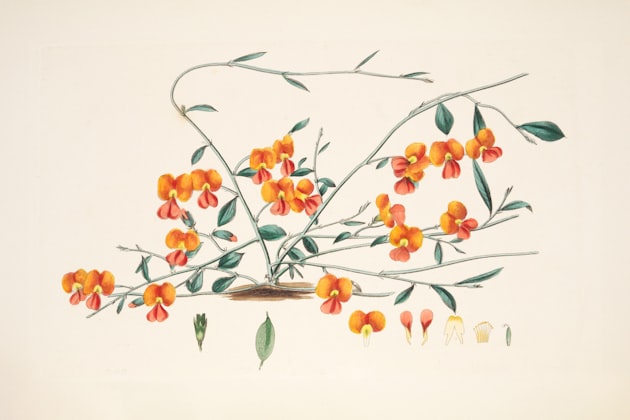 Base
Cistaceae
Base
Cistaceae
Labdano
 Labdano
 Cistus ladanifer
Obtained for steam distillation or for solvent extraction (resin/oleoresina gommous) from Cistus ladanifer L. (cisto ladanifero, ladanum, gum cistus), shrub of the Cistacee widespread on the garighe of the penisola iberic and of the Nordafrica. The ladano and specificaly the name of the gommoresina secreta from the peli ghiandolari of the leaves and of the young branches of C. ladanifer — harvested traditionally pettinando the capre which pascolavano among the cespugli of cisto, poiche the resin si appiccicava to the loro mantello. Known fin dto the antichita egizia as ingredient of the kyphi (fragrance sacro), citato in the testi assiri and in the Esodo biblic. The phytochemical profile of the oil distillate and dominated from alpha-pinene, beta-pinene, delta-3-carene and limonene, with labdanolo, trans-pinocarveol and viridiflorolo as components terpenic caratteristic. L'absolute of ladano has invece note cerose-ambrate more complesse for the presence of diterpeni labanolic. In aromatherapy and used as antiviral, healing, emostatic, tonic skin and as fixative ambrato of large valore in perfumery. Base note resinous, ambrata, warm and earthy-boscous.
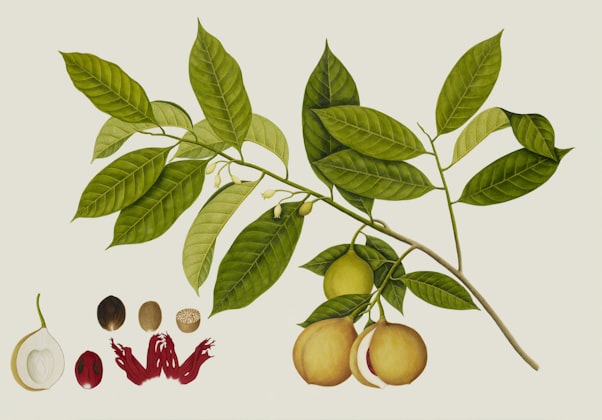 Middle
Pinaceae
Middle
Pinaceae
Larice
 Larice
 Larix decidua
Extracted by steam distillation from the needles fresh and from the twigs young of Larix decidua Mill. (larice common or European), the only conifera decidua of the Pinaceae widespread on the Alps europee (2.000-3.000 m), sugli Apennines settentrional and in the Carpathians. The larice is a species pioniera of large importanza ecologic in the forests montane — colonizza the versant after valanghe, incendi and disboscament, costituendo popolament puri luminous with sottobosco ricco. In autunno the leaves aghiformi ingialliscono and cadono, fenomeno insolito among the conifere. The phytochemical profile of the essential oil is dominated from α-pinene (30-40%), β-pinene, limonene and bornyl-acetate, with small amount of δ-3-carene and terpenilene. In aromatherapy it is used as tonic of the respiratory system, expectorant, antisettive environmental and as fragrance evocative of the forests alpine. Condivide with the pine Scots the properties tonificant of the nervous system and the activity antimicrobic for via inalatoria. The fragrance clean and resinous evokes the abetaie of alta elevation. Top note fresh, resinous and alpine.
 Middle
Lamiaceae
Middle
Lamiaceae
Lavandin
 Lavandin
 Lavandula x intermedia
Extracted by steam distillation from the flowering tops of Lavandula × intermedia Emeric ex Loisel. (lavandino, lavandin), hybrid spontaneo and poi selezionato artificially among the lavender officinal (L. angustifolia) and the lavender spica (L. latifolia), cultivated intensively sugli altopiani of the Provence, of the Languedoc and of the Drôme in France. The lavandino is the main oil of 'lavender' of the commercio worldwide: produce 4-8 times more oil for ettaro compared to the lavender officinal (L. angustifolia), but has a profile chemical and therapeutic significativaly different. The phytochemical profile is dominated by linalool (25-40%), linalyl-acetate (25-40%) and camphor (6-12%) — the camphor, assente in the lavender officinal, is the main criterio chemical of distintion among the due. The camphor aggiunge analgesic properties and rubefacent but reduces the sedative effect undiluted of the lavender angustifolia. The lavandino is excellent as fragrance for detersive, cosmetic and rooms, but less recommended for the protocolli aromaterapic of alta precisione. Top-to-heart note lavandacea, fresh and slightly camphorata.
 Middle
Lamiaceae
Middle
Lamiaceae
Lavender
 Lavender
 Lavandula angustifolia
Extracted by steam distillation from the flowering tops of Lavandula angustifolia Mill. (lavender officinal, lavender vera, fine lavender), perennial shrub of the Lamiaceae widespread on the limestone mountains of the western Mediterranean among the 600 and the 1.800 m of elevation — French Provence, Ligurian Alps, northern Apennines, eastern Spain. It is the essential oil most studied, most versatile and best-selling in the world. The phytochemical profile is dominated by linalool (25-45%) and linalyl-acetate (25-45%), with terpinen-4-olo, β-ocimene and lavandulyl-acetate — a balanced composition which not has equal for therapeutic versatility. The linalool has documented agonist activity at the receptors GABA-TO (anxiolytic), the linalyl-acetate amplifies the sedative effect and the terpinen-4-olo contributes to the antibacterial activity. The European Pharmacopoeia recognizes the lavender as approved treatment for mild-to-moderate anxiety (oral preparation). In aromatherapy it is used as sedative, anxiolytic, analgesic, antibacterial, healing, antiseptic and as universal floral fragrance. Only oil usable undiluted on the skin for stings and small burns. Top-to-heart note floral, fresh and clean.
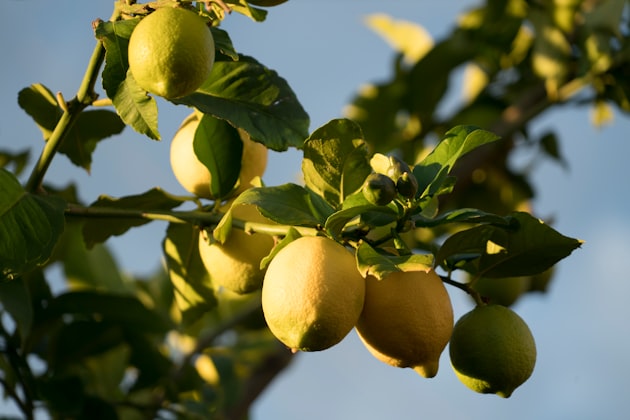 Top
Rutaceae
Top
Rutaceae
Lemon
 Lemon
Lemon Citrus limon
Extracted by cold pressing from the fruit peel of Citrus limon (L.) Osbeck (lemon), citrus fruit of the Rutaceae of origin probably ibrida (cedarwood × lime), cultivated in all the Mediterranean basin and in the areas subtropical of the pianeta. The lemon is the citrus fruit more cultivated in the world and the its essential oil is one of the ingredient most widely used in perfumery, alimentation and aromatherapy. The phytochemical profile is dominated by d-limonene (55-75%), β-pinene (8-15%) and γ-terpinene (6-12%), with citral (geranial + nerale: 2-5%), linalool and α-terpineol as components minor responsible of the note floral characteristic of the lemon of quality. The limonene is one of the monoterpenes most studied for the properties antiossidant, anti-inflammatory and potenzially chemiopreventive. In aromatherapy the lemon is used as toning of the nervous system, antiseptic environmental and food, carminative and digestive, depurative hepatic and as fragrance fresh universally piacevole. Photosensitizing if extracted for pressofrigido: avoid the esposition solare for 12 hours after the topical application. The distillate not is photosensitizing. Bright top note, fresh and citrusy.
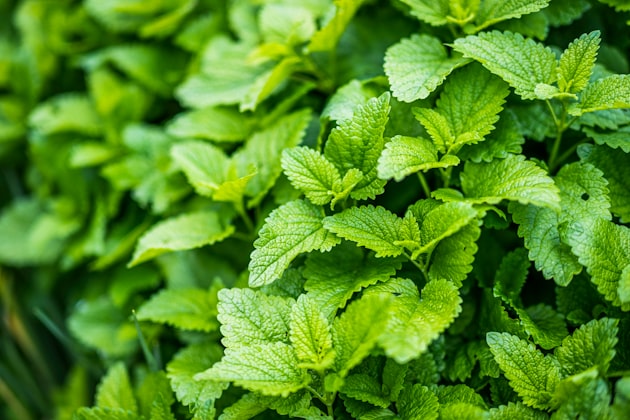 Middle
Lamiaceae
Middle
Lamiaceae
Lemon Balm
 Lemon Balm
 Melissa officinalis
Extracted by steam distillation from the leaves fresh of Lemon balm officinalis L. (lemon balm, cedronella, lemon balm), perennial herbaceous plant of the Lamiaceae widespread in Europe, Asia western and Nordafrica in the areas fresh and wet — giardini, siepi, boschi riparial — where grows in piena ombra or semiombra. Gia in the XI century Avicenna descriveva the lemon balm as remedy for the sadness of the anima and the melancholy. The phytochemical profile is dominated by citral (geranial + neral: 25-45%), beta-caryophyllene (15-25%) and citronellal (10-20%), with linalool and geraniol. The citral has documented properties antiviral against HSV-1 and HSV-2 (herpes labial and genital), antibacterial and ansiolitic. The beta-caryophyllene contributes to the properties anti-inflammatory (agonist of the receptor CB2 of the endocannabinoidi). L'oil of lemon balm and one of the more costous for the low resa (350-700 kg of leaves fresh for 1 kg of oil) — frequentely adulterato with lemongrass, citronella or citral sintetic. In aromatherapy and used as antiviral for herpes, anxiolytic and sedative, antidepressant, tonic digestive and antispasmodic. Top note fresh, limoncina and sweet.
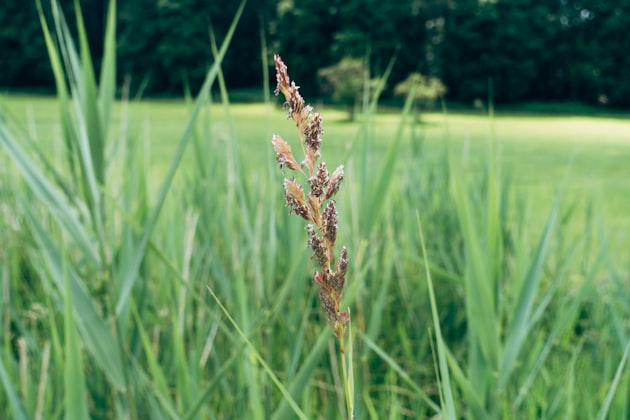 Middle / Top
Poaceae
Middle / Top
Poaceae
Lemongrass
 Lemongrass
 Cymbopogon flexuosus
Extracted by steam distillation from the leaves fresh or dried of Cymbopogon citratus (DC.) Stapf (lemongrass, canne aromatic, limoncino) or of Cymbopogon flexuosus (Nees ex Steud.) Will.Watson (East Indian lemongrass), large graminacee perenni of the Poacee originarie of the Asia tropical (India, Sri Lanka, Indocina), today coltivate intensively in India, China, Guatemala and Brazil as plant aromatic and fonte of citral industrial. The lemongrass and one of the aromi more riconoscible of the kitchen thai, vietnamita and Indian. The phytochemical profile is dominated by citral (geranial + neral: 65-85%) — the fonte industrial of vitamina TO sintetic and of iononi — with myrcene (12-20%) and beta-caryophyllene. L'altissima concentration of citral provides to the lemongrass powerful properties antibacterial (active on MRSA), antifungal, antiviral and antiossidant. AND dermocaustic to concentrations high for the citral: max 0.7% topical secondo the linee guida IFRA. In aromatherapy and used as antiseptic powerful, antiinfiammatorio, tonic muscular, repellent for insects and antifatic. Very fresh top note, limoncina-citronellata and intense.
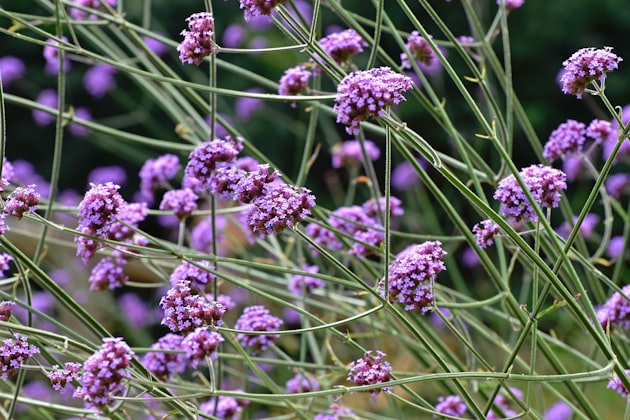 Middle
Apiaceae
Middle
Apiaceae
Levistico
 Levistico
 Levisticum officinale
Extracted by steam distillation from the roots dried of Levisticum officinal W.D.J.Koch (levistic, celery of monte, ligustic), perennial herbaceous plant vigorous of the Apiaceae native of the Middle East and widespread naturalizzata in all Central Europe, where grows spontanea to the margini of the boschi umidi and near to the insediament umani — a relitto of the antiche coltivations medicinal monastic. The phytochemical profile is dominated by ftalidi (ligustilide, butilftaalide), terpinene and felandreni, with lattoni sesquiterpenic responsible of the aroma intense and persistent, simile to the celery but more powerful. The levistic era a of the plants medicinal more important of the pharmacopoeia medieval European, used as diuretic, carminative, stomachic and for facilitare the digestion of the carni grasse. In aromatherapy moderna is used as tonic renale and diuretic light, depurative of the blood, powerful carminative and antiseptic urinario in the cistiti mild. Stimulates the production of bile and supports digestion proteic. Contraindicated during pregnancy (emmenagogue) and in the nefropatie acute. Heart note-base warm, herbaceous and pungent.
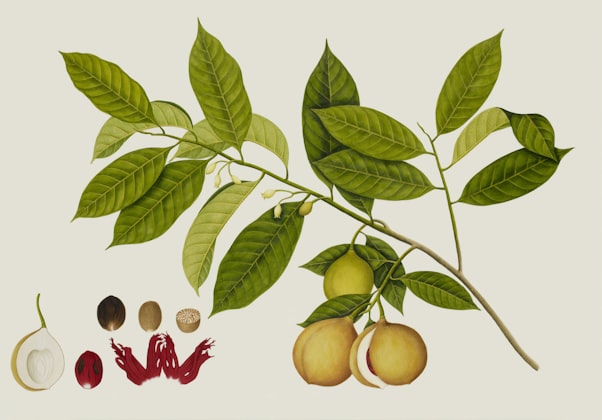 Top
Rutaceae
Top
Rutaceae
Lime
 Lime
Lime Citrus aurantifolia
Extracted by cold pressing or for steam distillation from the fruit peel of Citrus aurantiifolia (Christm.) Swingle (lime, lime, West Indian lime, Mexican lime), small citrus fruit of the Rutaceae native of the South Asia (probably India northern or Malesia), widespread in all the Messico, in the Caraibi, in Brazil and in the Southeast asiatic. The lime pressofrigido and photosensitizing for the presence of furanocumarine (bergapten, isopimpinellina) — the version distillata and free of photosensitization. The phytochemical profile is dominated by d-limonene (50-65%), gamma-terpinene (8-15%) and para-cimene (5-10%), with beta-pinene and terpinen-4-olo; the version pressofrigido contains also bergapten. The d-limonene and responsible of the properties antiossidant, tonic-nervine and gastroprotettive common to all the citrus fruits. The lime has a fragrance more intense, more green and more pungent of the lemon, with note amare and florenal caratteristic. In aromatherapy and used as mood tonic, antiseptic, digestive, carminative and as base citrusy for blend estivi and perfumes Cologne. Very fresh top note, green-citrusy, slightly bitter and pungent.
Linaloe
 Linaloe
 Bursera delpechiana
Extracted by steam distillation from the wood or from the leaves of Bursera delpechiana Poiss. (linaloe, linaloa, copal limon), tree of the Burseracee native of the coasts of the Pacifico of the Messico (states of Guerrero, Oaxaca, Michoacan), where the boschi tropical decidui and semidecidui ospitano this species endemic of large importanza cultural and commercial for the comunita indigene. The linaloe era a important oggetto of commercio on the rotta of the 'nao de China' (Galeone of Manila) in the XVI-XVII century. The phytochemical profile is dominated by linalool (65-80%), with linalyl-acetate, alpha-terpineol and geraniol — a composition very simile to the wood of rose (Aniba rosaeodora) and to the wood of ho (Cinnamomum camphora var. linaloolifera). The somiglianza with questi oils permette to the linaloe messicano of be used as alternative sustainable to the wood of rose, pressato from the minaccia of the estintion for the sovrasfruttamento in Amazzonia. In aromatherapy and used as anxiolytic moderate, antibacterial skin sweet, antifungal and immune-stimulating — with a profile of sicurezza excellent, suitable to children and gravide. Top-to-heart note fresh, floral-rosaceo and slightly woody.
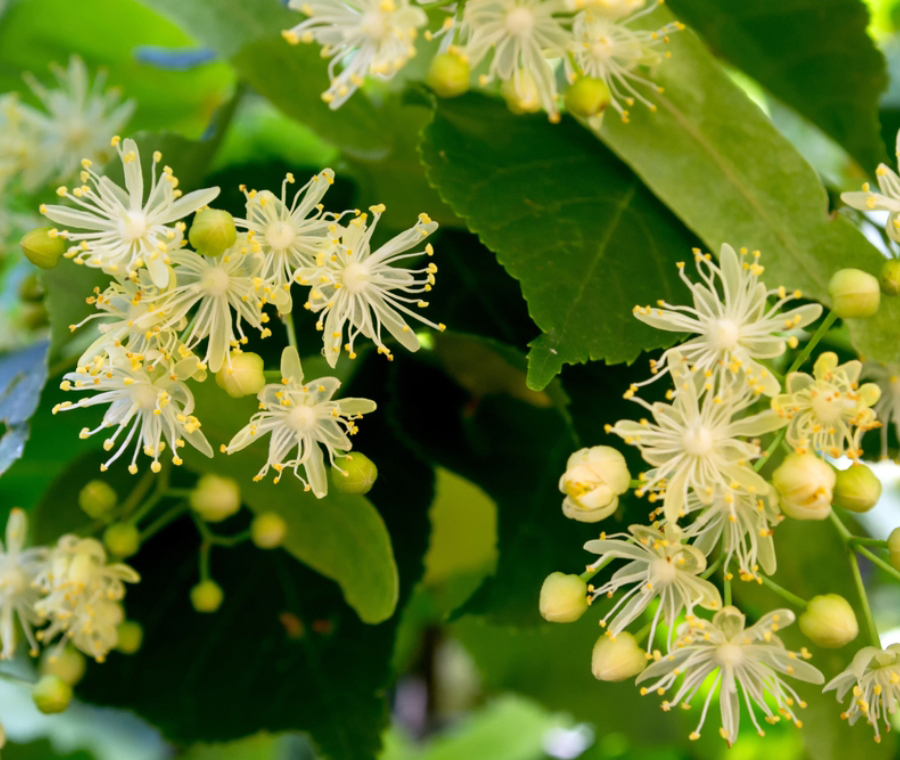 Middle
Malvaceae
Middle
Malvaceae
Linden
 Linden
 Tilia vulgaris
Obtained for steam distillation or extraction from the flowers (brattee and flowers insieme) of the Tilia cordata Mill. (linden wild) or Tilia x vulgaris Hayne (linden common, hybrid), large trees caducifoglie of the Malvacee (precedentely Tiliacee) diffusi in all Europe and Asia temperata, from centuries punto of riferimento in the piazze and in the viali of the citta europee. The fioritura (giugno-luglio) produce the infuso (tisana) of linden, among the more diffusi rimedi traditional for the insomnia and the cold. The profile of the oil include linalool, geraniol, acetate of geranile and nerol — with a aroma sweet, floral-honeyed, vagaly herbaceous. In aromatherapy the linden and used as sedative sweet of the nervous system — recommended for the insomnia, the anxiety and the cefalee from tension — as diaforetic light in the conditions from raffreddamento and as diuretic. On the piano psico-emotional and a remedy for the solitudine, the bisogno of protetion and the tensions familiari. Heart note floral-sweet.
Litsea
 Litsea
 Litsea cubeba
Extracted by steam distillation from the fruits (berries) of Litsea cubeba (Lour.) Pers. (litsea cubeba, may chang), small tree of the Lauracee native of the China southern, of Taiwan and of the Southeast Asiatico, where and cultivated for the industry of the essential oils and of the perfumery (especially for the extraction of citral which is poi used in the sintesi of the vitamina TO). The phytochemical profile is dominated by citral totale (geranial + neral: 60-80%) with linalool, geraniol and d-limonene. The litsea is often confusa with the lemongrass for the phytochemical profile simile but has a fragrance more gentle, fresh and fruity, with less note verdi-erbacee. In aromatherapy and used as antisettive to largo spectrum (antibacterial, antifungal, antiviral), as anxiolytic and antidepressant, as tonic cardiaco light, as carminative and as toning of the oily skin and acneic. The citral and responsible of the properties sia antimicrobic which neurobiologic. Top-to-heart note fresh, fruity-limona and floral.
Loto
 Loto
Loto Nelumbo nucifera
Obtained for solvent extraction (absolute) or enfleurage from the flowers of Nelumbo nucifera Gaertn. (loto sacro, loto Indian, loto asiatic), plant water perennial of the Nelumbonacee widespread in South Asia and oriental (India, Sri Lanka, China, Japan, Southeast Asiatico), where grows in stagni, laghi and channels of water sweet with fondo limaccious. The loto is the plant sacra for eccellenza of induismo, buddhismo and jainismo — simbolo of purezza spiritual which emerge immacolata from the fango. L'essential oil or absolute of loto is among the more rari and prezious of the world — the production is estremaly limitata poiché the flowers devono be raccolti manually to the alba. The phytochemical profile is complesso and include 1,4-dimetossibenzen, alcohol benzilic, alcohol feniletic and composti indolic which provide the fragrance floral-exotic intense and paradossal — sweet, polverosaly acquatic and slightly animalic. In aromatherapy it is used as sedative, aphrodisiac spiritual and tonic emotional in the practices meditative oriental. Heart note floral, water, sweet and sacra.
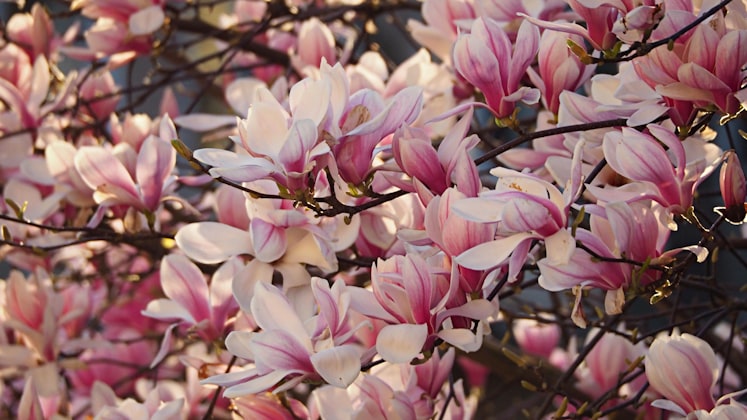 Middle
Magnoliaceae
Middle
Magnoliaceae
Magnolia
 Magnolia
 Magnolia × alba
Obtained for solvent extraction or distillation from the fresh flowers of Michelia alba DC. (magnolia white, bai yu lan) or of Magnolia denudata Desr. (magnolia yulan), trees ornamental of the Magnoliacee originari of the China, among the flowers more antichi evolutivaly — the genus Magnolia esiste from at least 95 milioni of years, precede the pronubi and impollinatori specializzati. The phytochemical profile of the oil of magnolia and dominated from linalool (20-35%), beta-caryophyllene (10-20%), nerol and geraniol, with alpha-terpineol and cis-beta-ocimene as components minor. The magnoliacee cinesi as M. alba have a carattere floral-fruity more sweet compared to the magnoliacee americane, with prevalenza of components lattic. In aromatherapy the fragrance of magnolia has properties ansiolitic and antidepressant legate to the sistema limbic, with effects on the quality of the sleep documented in the studies of aromatherapy controllata cinesi. The magneolo (a polifenolo of the root, not of the oil) has studies more robusti on anxiety and cortisolo — the oil floral acts prevalentely for via olfattive-emotional. Heart note floral, sweet, fruity and delicataly exotic.
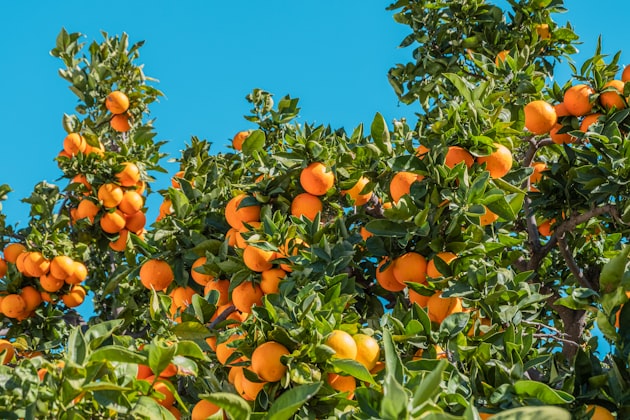 Top
Rutaceae
Top
Rutaceae
Mandarin
 Mandarin
 Citrus reticulata C.madurensis
Extracted by cold pressing from the fruit peel of Citrus reticulata Blanco (mandarin, mandarine), citrus fruit of the Rutaceae native of the China southern and of the Vietnam, where and cultivated from over 3.000 years. The mandarin and state portato in Europe in the XIX century and si and rapidaly widespread in the regions mediterranee. Si distinguono different varieta botanic: mandarin common, clementine (incrocio with bitter orange), satsuma, tangerina — with profili aromatic slightly different. The phytochemical profile is dominated by d-limonene (65-75%), gamma-terpinene (15-25%) and alpha-terpinene, with antranilato of methyl (0.5-1.5%) — a molecule fluorescent which provides the characteristic note muschiata-floral of the mandarin assente in the other citrus fruits. L'antranilato of methyl has also properties sedative on the nervous system and the key component of the identita aromatic of the mandarin compared to the orange sweet. In aromatherapy and the citrus fruit of choice for children, donne during pregnancy and anziani: antidepressant, sedative light, digestive and carminative sweet. Photosensitizing if pressofrigido. Top note sweet, fresh, mandarina and slightly floral.
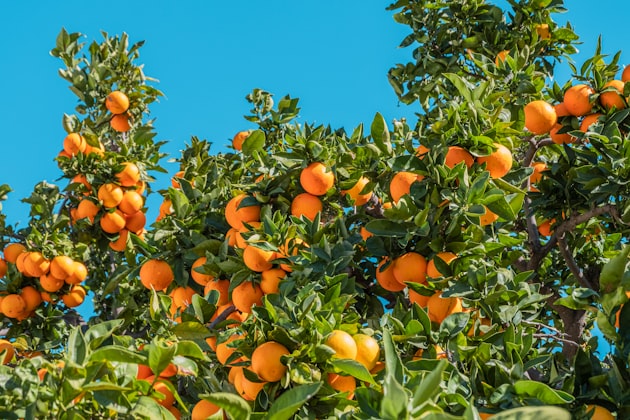 Top
Rutaceae
Top
Rutaceae
Mandarin red
 Mandarin red
 Citrus reticulata
Extracted by cold pressing from the fruit peel of ibridi among Citrus sinensis (L.) Osbeck and Citrus reticulata Blanco (tangor, clementina or tangelo to seconda of the cultivar), citrus fruits of the Rutaceae derivati dto the incrocio among orange sweet and mandarin, with numerous cultivar commercial as Clementine, Minneola, Nova and Ugli. The tangor not and a species botanic definita but a name commercial for different ibridi with caratteristic intermedie among the genitori. The phytochemical profile is dominated by d-limonene (85-92%), with gamma-terpinene (2-5%), linalool, decanal and beta-myrcene. The d-limonene has documented properties antiossidant, gastroprotettive (ridution of the reflux gastroesofageo), ansiolitic legate to the attivation of the sistema olfatto-limbic and antitumoral in modelli animal on the carcinoma of the colon. The fragrance of the tangor and tipicaly more sweet and less pungent of the orange sweet, with note mandarine morbide and a freschezza citrina equilibrata. In aromatherapy and used as antidepressant and mood tonic, digestive and antireflux, purifying environmental and base for blend estivi. Photosensitizing if pressofrigido: attendere 12 hours first of the esposition solare. Top note fresh, sweet and citrusy.
Maniguette
 Maniguette
 Aframomum angustifolium
Extracted by steam distillation from the seeds of Prunus dulcis (Mill.) D.TO.Webb var. bitter (almond bitter), varietà of the tree from fruit of the Rosacee the which drupe contain amigdalina — a glucoside cianogenic which for idrolisi enzimatic of the β-glucosidasi libera acid cianidric (HCN) and benzaldeide. L'oil grezzo of almond bitter contains traces of acid cianidric and is toxic for ingestione also in doses ridotte; the oil distillate FFPA (Free From Prussic Acid) has the HCN rimosso completaly for distillation and contains mainly benzaldeide (95-99%) as component aromatic dominant. The benzaldeide is the molecule responsible of the fragrance of ciliegio, almond, persipan and liquore of amaretto, with antifungal properties (active on Candida albicans), antibacterial and analgesic topiche documented in letteratura. In aromatherapy the oil FFPA is used with caution as antispasmodic, analgesic topical and anxiolytic to doses very low in the diffuser; in perfumery and food is a aldeide aromatic of large versatility for the note gourmand, fruttate and of marzapane. L'oral use resta assolutaly vietato also for the FFPA. Top note fruity, sweet-mandorlata and intense.
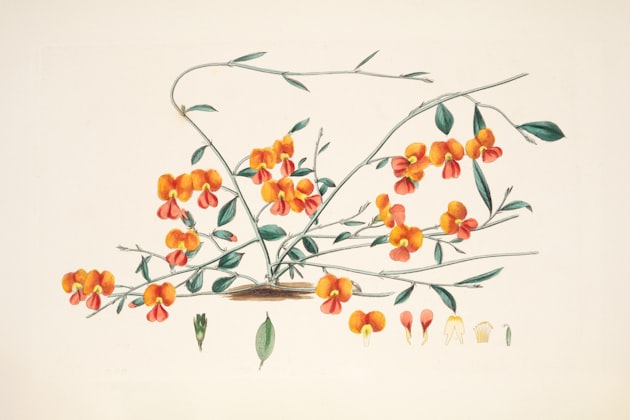 Middle
Myrtaceae
Middle
Myrtaceae
Manuka
 Manuka
 Leptospermum scoparium
Extracted by steam distillation from the leaves and from the branches of Leptospermum scoparium J.R.Forst. & G.Forst. (manuka, New Zealand tea tree, kahikatoa), shrub of the Myrtaceae endemic of the Nuova Zelanda and of the Australia oriental, where grows spontaneously on a large varieta of suoli, from the prati costieri to the areas montane. The manuka and the plant sacra of the Maori neozelandesi (te kakaho, the ramo strong), used for costruire capanne, as fonte of fuoco and as remedy medicinal traditional for fever, cold and skin infections. The phytochemical profile is dominated by triketoni: leptospermone, iso-leptospermone and flavesone (5-30% totali) — trichetoni beta specific of the genus Leptospermum — with sesquiterpenes (calamenene, delta-cadinene) and alpha-copaene. THE triketoni of the manuka have straordinaria activity antifungal (superiore to the oil of tea tree against Candida) and antibacterial (attivi on Staphylococcus aureus, MRSA, Streptococcus). In aromatherapy and used as antifungal powerful, antibacterial anti-MRSA, antiinfiammatorio skin, healing and antiallergic. Top note medicinal, resinous, sweet-herbaceous and slightly affumicata.
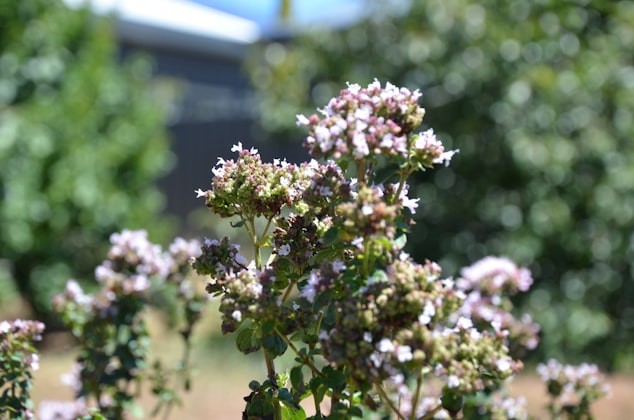 Middle
Lamiaceae
Middle
Lamiaceae
Marjoram
 Marjoram
 Origanum majorana
Extracted by steam distillation from the sommita flowering of Origanum majorana L. (marjoram sweet, marjoram), perennial herbaceous plant or annual of the Lamiaceae native of the Nordafrica and of the Middle East (Egypt, Turkey, Cipro), cultivated in all the area mediterranea as herb aromatic and medicinal fundamental of the tradition. Gia Aristotele and Dioscoride the descrivevano as remedio for the muscle pain and as plant of the sposi in the mitologia greca — Afrodite the profumava. The phytochemical profile is dominated by 4-terpinenolo (terpinen-4-olo: 15-30%), gamma-terpinene (15-25%) and sabinene, with alpha-terpinene, linalool and cis-sabinene-idrato. The 4-terpinenolo and the main responsible of the properties sedative on the nervous system (mecanismo parasimpaticomimetic), analgesic and antibacterial of the marjoram. The combination of terpinenolo and cis-sabinene-idrato provides to the marjoram to action neurotonic peculiare: sedative of the nervous system simpatic and toning of the parasimpatic, useful in the situations of ipertonia nervous, anxiety somatizzata and insomnia chronic. In aromatherapy and used as sedative and antispasmodic nervous, analgesic muscular, vasodilatrice and ipotensive. Heart note warm, herbaceous, sweet and vagaly phenolic.
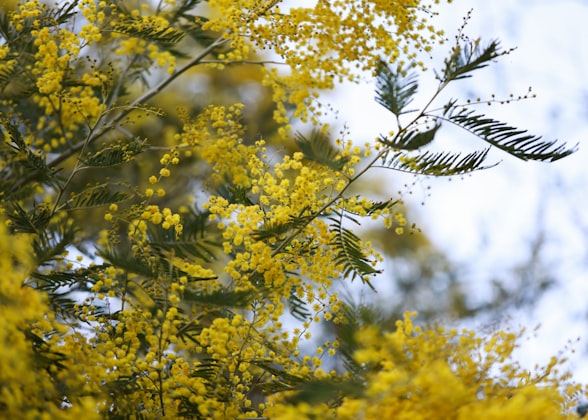 Middle
Fabaceae
Middle
Fabaceae
Mimosa
 Mimosa
 Acacia dealbata
Obtained for solvent extraction (absolute) or for enfleurage from the flowers of Acacia dealbata Link (mimosa, mimosa of argento, silver wattle), tree of the Fabacee native of the Australia sudoriental (Tasmania, New South Wales, Victoria), naturalizzato and cultivated in the regions to clima mite of the Mediterranean, specially in Riviera French (Var) and on the costa ligure italiana. The mimosa and diventata simbolo of the Festa of the donna the 8 marzo in Italy and in France, where the flowers yellow-dorati fioriscono in the months invernal. The phytochemical profile of the absolute and complesso: beta-ionone (floral-violetto), anisaldeide, feniletanolo, alcohol benzilic, geraniol and acid palmitic — responsible of the fragrance warm, powdery, honeyed and slightly spicy characteristic. In perfumery the mimosa and classificata in the family olfattive 'floral powdery', with note of fondo which ricordano the fieno and the mandorle. In aromatherapy (use rare for the costo elevato) and used as antidepressant, afrodisiaca discreta and tonic emotional in the practices of support psicologic and in the moments of fragilita. Heart note floral, polverous, honeyed and slightly spicy.
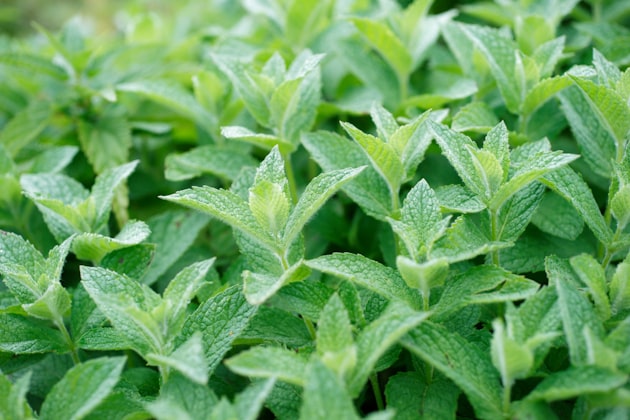 Top
Lamiaceae
Top
Lamiaceae
Mint bergamot
 Mint bergamot
 Mentha citrata
Extracted by steam distillation from the leaves and from the flowers of Mentha × peppermint var. citrata (Ehrh.) Briq. (mint bergamot, mint eau de cologne, mint citrata), cultivar or varietà of the peppermint of the Lamiaceae, with a phytochemical profile radically different compared to the peppermint standard (menthol) and to the spearmint (carvone). The phytochemical profile is dominated by linalool (30-50%) and linalyl-acetate (30-45%) — the stessi components of the lavender officinal — with pochissimo menthol. This composition provides to the mint bergamot a aroma sorprendentely floral and fruity, with pochissima freschezza mentholated, which reminiscent of the bergamot agrumario but with a note green-herbaceous of fondo. In aromatherapy it is used as anxiolytic sweet (linalool), antidepressant floral and as fragrance insolito which smentisce the aspettative on the genus Mentha. is particularly apprezzata in perfumery natural as heart note fresh-floral without the pesantezza of the menthol. Recommended for children and people intollerant to the menthol. Top-to-heart note floral, fruity and sorprendentely sweet.
Mint campestre
 Mint campestre
 Mentha arvensis
Extracted by steam distillation from the leaves and from the flowers of Mentha arvensis L. (mint campestre, mint of the campi, corn mint), perennial herbaceous plant of the Lamiaceae widespread in all Europe and Asia temperata in the campi, to the bordi of the strade and in the soils umidi. is the main fonte industrial of menthol natural in the world: dto the oil si cristallizza the menthol for raffreddamento, and the residuo (oil deterpenato) is sold as oil of peppermint adulterata or as aromatizing. The phytochemical profile is dominated by menthol libero (55-75%), menthone (10-25%) and menthyl acetate, with a concentration of menthol superiore to quella of the peppermint classic. The menthol acts on the channels TRPM8 of the cold and at the receptors μ-oppioidi — effect cooling, analgesic topical and decongestant nasal. In aromatherapy it is used as headache analgesic and nevralgie, decongestant nasal, antinausea, antipruriginous and cooling skin. Very more economic of the peppermint. Contraindicated in children under the 12 years and during pregnancy. Top note strongly fresh and mentholated.
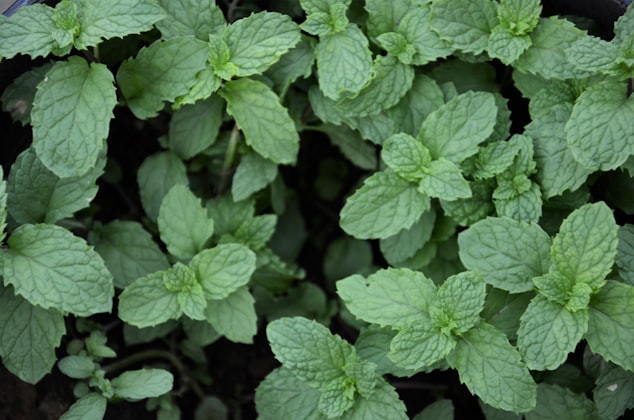 Top
Lamiaceae
Top
Lamiaceae
Mint green
 Mint green
 Mentha spicata
Extracted by steam distillation from the leaves and from the flowers of Mentha spicata L. (spearmint, mint Roman, spearmint), perennial herbaceous plant of the Lamiaceae native of the Southern Europe and of the Middle East, now naturalizzata and cultivated throughout the world — main fonte of the mint from dentifric, gomme from masticare and products for the igiene oral of the commercio. The phytochemical profile is dominated by R-(−)-carvone (50-80%) — the enantiomero sinistrogiro of the carvone which dà the characteristic aroma sweet-mentolato of the spearmint — seguito from limonene and diidrocarvone. The carvone of the spearmint is the 57% less powerful on the cold receptor TRPM8 compared to the menthol of the peppermint, the which makes the spearmint more gentle and less 'fredda': suitable for children (over the 6 years) and for people intollerant to the menthol. In aromatherapy it is used as carminative and digestive sweet, deodorant and cooling oral, tonic of the nervous system and as component of blend energizzant. Top note fresh, sweet-mentolata and caratteristicaly arrotondata.
 Top
Lamiaceae
Top
Lamiaceae
Mint variegata
 Mint variegata
 Mentha suaveolens
Extracted by steam distillation from the leaves and from the flowers of Mentha suaveolens Ehrh. 'Variegata' (mint variegata, mint mela variegata, pineapple mint), cultivar ornamental of the mint mela of the Lamiaceae, cultivated mainly as plant from giardino decorative for the fogliame green-cream sfumato. The phytochemical profile is dominated by piperitenone-ossido (40-70%), with piperitenone, pulegone and piperitone — ketones monoterpenic with modesta activity mentholated but with antiseptic properties, spasmolitic and antiviral proprie. The piperitenone ossido has dimostrato in vitro activity inibitoria on the virus of the flu TO. The mint variegata has a fragrance less penetrating and more sweet-fruity compared to the peppermint, with sfumature quasi of mela — from which the name popolare 'pineapple mint'. In aromatherapy it is used as antiseptic respiratory sweet and antispasmodic, digestive and carminative, as component aromatic fresh but not aggressive in the diffuser and in cosmetics. Recommended for people intollerant to the menthol. Top note sweet-mentolata, fruity and lievely phenolic.
 Top
Lamiaceae
Top
Lamiaceae
Monarda fistulous
 Monarda fistulous
 Monarda fistulosa
Extracted by steam distillation from the parts aeree flowering of Monarda fistulous L. (monarda, bergamot wild nordamericano, wild bergamot), perennial herbaceous plant of the Lamiaceae native of the North America oriental and central, where grows on the prati secchi and to the margini of the forests. The monarda era a plant medicinal fundamental for molti popoli indigeni nordamericani (Ojibwe, Cherokee, Lakota) for treat infections, febbri and conditions respiratory — used as disinfetion of the wounds from combattimento and as inhalation in the ritual curative. The phytochemical profile is dominated by thymol (30-60%) or carvacrol (20-40%) to seconda of the chemotype — a composition analoga to the thyme common (Thymus vulgaris) but with ulteriori complessity aromatic dovute to geraniol and linalool. The thymol is a powerful antibacterial phenolic with activity documented against batteri gram+ and gram-, miceti dermatofiti and some virus. In aromatherapy it is used as antibacterial with broad-spectrum activity, antifungal, expectorant, immune-stimulating and antioxidant. As the thyme phenolic, requires diluition accurata (max 1%) for the risk irritating skin. Top-to-heart note strong, timolic, herbaceous and warm.
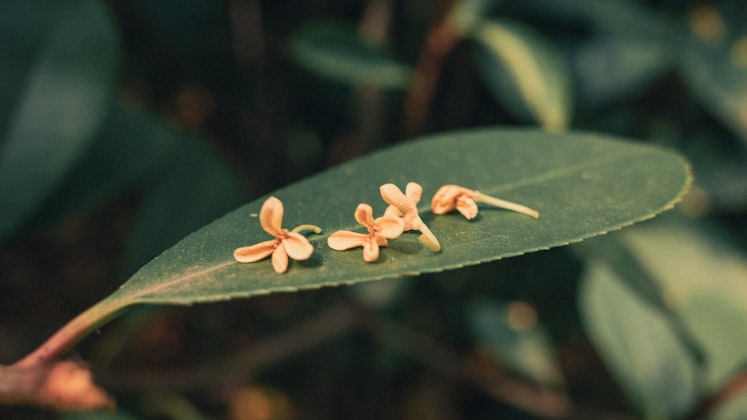 Base
Parmeliaceae
Base
Parmeliaceae
Moss quercino
 Moss quercino
 Evernia prunastri
Obtained for solvent extraction (absolute) or for distillation from Evernia prunastri (L.) Ach., lichene epifita of the Parmeliaceae which grows on the tronco of querce, abeti and other trees of latifoglie in Central Europe and southern, in the regione balcanic and in the Morocco. The moss quercino and a of the materie prime more prezious and complesse of the perfumery traditional: citata as 'mousse de chene' in the formulations Chanel and Guerlain. The profile chemical and straordinarialy complesso — over 100 costituent identificati, among which orcinolo, evernina, atranorina, acid d-usnico, acid fusaric and composti clorurati — with a aroma earthy, woody, muschiato and wild, marcataly different from qualsiasi altro essential oil. L'Unione European has classificato atranorina and cloroatranorina as allergeni of contact noti: the topical use deve avvenire to concentrations < 0,1% (IFRA); in diffusione environmental to low doses and safe. In aromatherapy and used as fixative, as remedy meditative-grounding and as riferimento olfattive of the sottobosco.
 Base / Middle
Burseraceae
Base / Middle
Burseraceae
Myrrh
 Myrrh
Myrrh Commiphora myrrha
Extracted by steam distillation or for incisione of the bark (oleoresina) from Commiphora myrrha (Nees) Engl. (myrrh, myrrh) and species affini (C. habessinic, C. molmol), small trees or arbusti of the Burseracee originari of the regions seeds-aride of the Corno of Africa (Somalia, Etiopia, Eritrea) and of the penisola arabic (Yemen, Oman). The myrrh and a of the resine sacre more antiche of the world: present in the testi egizi of the 2000 to.C. as ingredient of the kyphi, offerta of the Re Magi in the tradition cristiana, component fundamental of the profumerie oriental of Oriente and Occidente. The phytochemical profile is dominated by furanosesquiterpeni: furano-germacrenone, lindestrene, curzerenone and curzerene — components with powerful activity anti-inflammatory, antiviral and analgesic. The myrrh has properties cicatrizzant and antibacterial eccellent for the mucous membranes orali (afte, gengiviti, piorrea) and for the wounds cronic. In aromatherapy and used as antiinfiammatoria and healing skin and mucosal, antiviral, astringent, meditative and as fixative in perfumery oriental. Base note resinous, bitter, balsanic and deeply persistent.
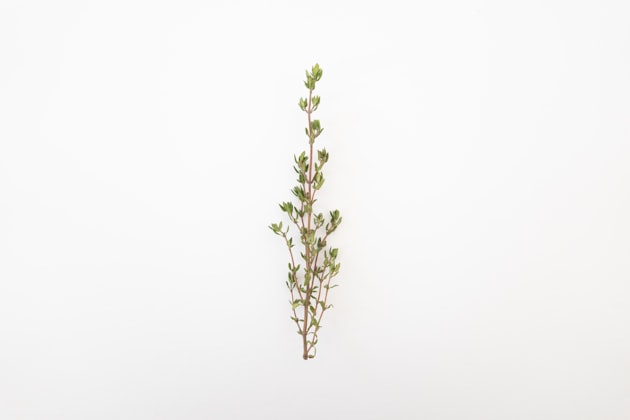 Middle
Myrtaceae
Middle
Myrtaceae
Myrtle
 Myrtle
 Myrtus communis
Obtained for steam distillation from the leaves and from the twigs of the Myrtus communis L., evergreen shrub of the Myrtaceae widespread in the Mediterranean basin — from the Macaronesia to the Asia minor — simbolo classic of the bellezza, of the amore and of the purification in the mitologia greco-Roman (consacrato ad Afrodite/Venere). The productions more finest come from the Corsica (myrtle red, fioritura settembrina, altissima quality), from the Sardinia and from the Tunisia. The phytochemical profile is dominated by 1,8-cineole (15-30%), α-pinene (15-25%) and acetate of mirtanile (15-25%), quest'ultimo the component characteristic of the myrtle corsicano. In aromatherapy the myrtle and a antiseptic gentle and ben tollerato of the respiratory tract, suitable also to the children above the 3 years: antisetic of the vie urinary, astringent and tonic skin, deodorant. TO differenza of the eucalyptus, has a profile mite which the makes preferible in the people sensible. The myrtle red of Corsica and particularly apprezzato in perfumery for the its raffinatezza. Top-to-heart note fresh and floral.
 Top
Myrtaceae
Top
Myrtaceae
Myrtle lemon
 Myrtle lemon
 Backhousia citriodora
Extracted by steam distillation from the leaves of Backhousia citriodora F.Muell. (myrtle-lemon, lemon myrtle), evergreen tree of the Myrtaceae endemic of the forests pluvial subtropical of the Queensland, in Australia, where grows in the forests wet of low elevation. The myrtle-lemon is the plant with the more alta concentration natural known of citral (geranial + neral) among all the organismi vegetal — up to to the 95-98% in the oil distillate, compared to the 60-80% of the lemongrass and to the 30-45% of the verbena. L'intensity aromatic is corrispondentely straordinaria: the myrtle-lemon is 3-4 times more concentrato of the lemongrass. The citral ad alta concentration provides powerful antibacterial properties (active on MRSA and Candida spp.), antiviral, antifungal and antisettic of broad spectrum. In aromatherapy it is used as antiseptic food and environmental of alta efficienza, as antimicrobic skin in the infections fungine, as note citrusy of altissima persistenza in perfumery and as aromatizing culinario. Photosensitizing. Top note intense, lemona and very persistent.
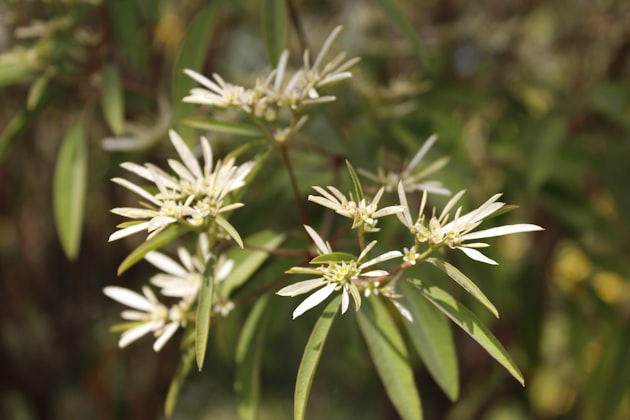 Base
Caprifoliaceae
Base
Caprifoliaceae
Nardo
 Nardo
Nardo Nardostachys jatamansi
Extracted by steam distillation from the rhizomes dried of Nardostachys jatamansi (D.Don) DC. (nardo Indian, jatamansi, spikenard), plant rizomatous perennial of the Caprifoliacee (ex Valerianacee) native of the prati alpini of the Himalaya (Nepal, Bhutan, India northern) among the 3.000 and the 5.000 m of elevation. The nardo Indian and one in the perfumes more prezious and sacri of the storia: Maria Maddalena unse the feet of Gesu with a vaso of nardo preziosissimo ('nardus pisticum', expensive as 300 denari, costo of 300 giornate lavorative) secondo the Vangeli of Giovanni and Marco. The phytochemical profile is dominated by aristolen-9-beta-olo (aristolene: 5-15%), nardosina (15-25%) and valeranone (10-20%), with beta-maaliol and calarene — sesquiterpenes caratteristic with documented activity sedative of the SNC, analgesic and anti-inflammatory. The nardo has a of the azioni sedative and ansiolitic more powerful among the essential oils, mediata from the potenziamento of the sistema GABAergico. In aromatherapy and used as sedative deep and anxiolytic, ipnotic natural, antistress, meditative and as base for perfumes oriental and sacri of tradition millenaria. Base note earthy-muschiata, warm, umosa and deeply animalesca.
 Middle
Rutaceae
Middle
Rutaceae
Neroli
 Neroli
 Citrus aurantium var.amara (Citrus var.bigaradia)
L'essential oil of neroli and obtained for steam distillation from the fresh flowers of the bitter orange (Citrus aurantium L. subsp. bitter), raccolti to mano in primavera (aprile-maggio) when the petals are ancora chiusi. The resa and very low (0,08-0,1%), the which makes the neroli one of the oils more costous of the aromatherapy. The principal aree of production are the Tunisia (Nabeul), the Morocco, the Egypt, the France (Grasse) and the Italy (Calabria). The phytochemical profile comprende linalool (30-40%), β-pinene (10-15%), nerolo, geraniol, nerolidolo and indolo in traces. The neroli and the remedy of choice of the aromatherapy for the sindromi of anxiety acuta and chronic, for the crisi of panico, for the tachicardia nervous and the insomnia ansious: acts directly on the sistema limbic and abbassa the livelli of cortisolo. AND also toning and regenerating skin (stimulates the rigeneration of the fibroblasti), cosmetic anti-aging of pregio and ingredient cardine of the perfumery classic (Eau de Cologne original). Heart-to-top note floral-fresh and bright.
 Middle
Myrtaceae
Middle
Myrtaceae
Niaouli
 Niaouli
 Melaleuca viridiflora
Extracted by steam distillation from the leaves and from the young twigs of the Melaleuca quinquenervia (Cav.) S.T.Blake (sin. M. viridiflora), evergreen tree of the Myrtaceae native of the Australia oriental, of the Nuova Caledonia (where and chiamato 'niaouli' from the popoli indigeni Kanak) and of the Papua Nuova Guinea, today naturalizzato in molte areas tropical. The phytochemical profile varia considerevolly with the chemotype: the CT 1,8-cineole (more common, 45-65%) and quello most widely used in aromatherapy, with viridiflorol (3-10%) and α-pinene. The niaouli and a antibacterial, antiviral and antifungal very versatile and ben tollerato, historically used in the Nuova Caledonia as remedy local for the wounds, the burns and the infections of the skin. In aromatherapy and one of the oils more sicuri for the stimolation immunitaria antiviral — often preferito to the ravintsara for the profile mite — and as antiseptic skin and of the respiratory tract in children from the 3 years. Has also to action radioprotettic documented: the protocolli oncologic French the includono in the prevention of the radiodermiti. Top note fresh.
 Middle
Pinaceae
Middle
Pinaceae
Norway Spruce
 Norway Spruce
 Picea abies
Extracted by steam distillation from the needles fresh, from the twigs young and talvolta from the buds of Picea abies (L.) H.Karst. (fir red, picea, Norway spruce), large conifera of the Pinaceae widespread in the forests boreal and montane of the Central Europe and northern — from the Alps to the Scandinavia, from the Carpathians to the Urali — where forma the iconic forests of conifere nordeuropee. is the peccio classic of the forests alpine italiane, the plant from the which cassa armonic is ricavato the wood of the violino (peccio of risonanza of the Val of Fiemme). The phytochemical profile is dominated by bornyl-acetate (5-20%), α-pinene (15-30%), β-pinene, camfene and δ-3-carene — with limonene and myrcene as components minor. The bornyl-acetate is the responsible main of the note balsamic characteristic in the perfumes nordic of forest. In aromatherapy it is used as expectorant and decongestant of the respiratory tract, tonic of the nervous system simpatic in case of asthenia and affaticamento, analgesic muscular and purifying environmental with fragrance boscous alpine. Top-to-heart note resinous, fresh and balsamic.
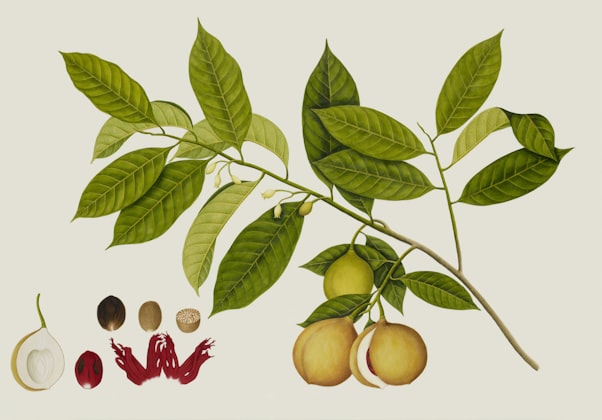 Middle
Myristicaceae
Middle
Myristicaceae
Nutmeg
 Nutmeg
 Myristica fragrans
Extracted by steam distillation from the seeds dried (nut nutmeg) or dto the arillo (macis) of the Myristica fragrans Houtt., evergreen tree tropical of the Miristicacee native of the isole Molucche (Banda, in Indonesia), from which si diffuse in all the cintura tropical under the controllo colonial olandese. The nut nutmeg is stata a of the spezie more prezious and ambite of the storia commercial European, motivo of guerre and sopraffations colonial in the XVII century. The phytochemical profile is dominated by sabinene (20-30%), α-pinene, β-pinene and terpinen-4-olo, with miristicina (4-8%) and elemicina as components minor responsible of the potenzial tossicity psicotropa to doses high — the nut nutmeg in amount eccessive cause allucinations and tossicity of the nervous system central. In aromatherapy it is used as analgesic muscular and joint (affinity coi receptors of the prostaglandine), stomachic and powerful carminative, stimulating circolatorio and as tonic of the nervous system in the astenie. Contraindicated during pregnancy. Top-to-heart note warm, spicy and deeply aromatic.
Opoponax
 Opoponax
 Commiphora guidottii
Obtained for steam distillation from the gommoresina harvested for incisione from Commiphora guidottii Chiov. ex Guid. or Commiphora erythraea (Ehrenb.) Engl. (opoponax, myrrh sweet, bisabol), trees of the Burseracee originari of the Somalia, of the Etiopia oriental and of the Kenya northern. L'opoponax is often confuso with the myrrh common (Commiphora myrrha) with which condivide the habitat and the family, but si distingue for a profile aromatic more sweet, balsmatic and less bitter. The phytochemical profile of the opoponax is dominated from sesquiterpenes — β-bisabolene (20-35%), α-bisabolene and β-caryophyllene — with furanosesquiterpeni caratteristic and small amount of acid boswellic. Compared to the myrrh convenzional, the opoponax has a aroma more morbido with a note floral-vanigliata which the makes particularly ricercato in perfumery for the famiglie oriental and ambrate. In aromatherapy it is used as anti-inflammatory of the mucous membranes respiratory, healing, antiseptic and as fixative of alta quality in the compositions profumiere. Base note warm, balsamic, sweet and slightly fumosa.
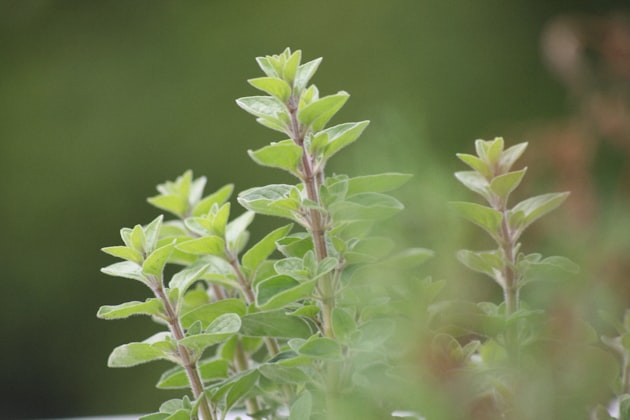 Middle / Base
Lamiaceae
Middle / Base
Lamiaceae
Oregano
 Oregano
 Origanum vulgare
Extracted by steam distillation from the sommita flowering of Origanum vulgare L. (oregano common, wild marjoram, oregano) and varietà affini (OR. compactum, OR. heracleoticum), perennial herbaceous plant of the Lamiaceae widespread in all the Mediterranean and in Asia western on soils calcarei assolati and on the garighe. L'oregano common presenta numerous chemotypes with compositions different: the CT carvacrol (Greece, Turkey, Morocco) and the most studied and commercializzato; the CT thymol and the CT linalool are less frequent. The phytochemical profile of the CT carvacrol and dominated from carvacrol (60-80%) and para-cimene (5-15%), with gamma-terpinene, sabinene and beta-caryophyllene. The carvacrol and a powerful antibacterial phenolic with activity documented against Helicobacter pylori, MRSA, Candida albicans, biofilm batteric and numerous patogeni opportunisti. AND also a inhibitor of the 5-lipoxygenase (anti-inflammatory) and an agonist parzial of the PPAR-alpha (metabolismo lipidic). In aromatherapy the oregano CT carvacrol and used as antibacterial powerful, antifungal, antioxidant, immune-stimulating and antiparassitario. Requires diluition severa (max 0.5%) for dermocausticita of the phenols. Contraindicated during pregnancy. Top note warm, phenolic, pizzaiola and robusta.
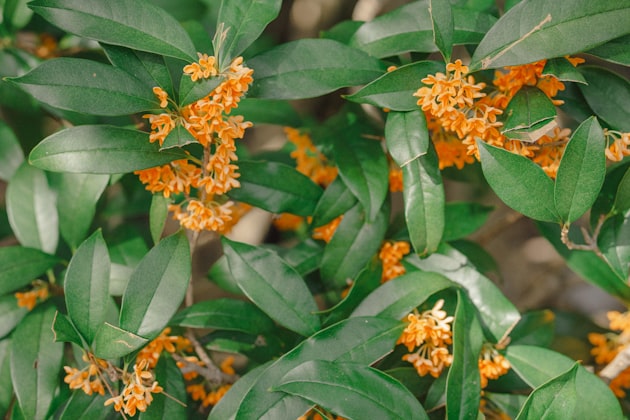 Middle
Oleaceae
Middle
Oleaceae
Osmanthus
 Osmanthus
 Osmanthus fragrans
Obtained for solvent extraction (absolute) or enfleurage from the flowers of Osmanthus fragrans Lour. (osmanthus, osmanto, osmanto scented, gui hua), shrub or small evergreen tree of the Oleacee native of the China southern and of the Himalaya, where grows ad altitudini moderate. L'osmanthus and a of the plants more profumate in the tradition cultural Chinese: the flowers orange-gialli fioriscono in autunno and the loro fragrance — apricot, peach and floral insieme — and considered one of the more sublimi in Asia. The assolute of osmanthus are among the more rare and costous in perfumery for the difficolta of extraction and the low resa. The phytochemical profile is dominated by beta-ionone (floral-violetto), diidrobeta-ionone, alpha-ionone, geranile-acetate, linalool and dodecanalide — a combination only of iononi with note of violet, albicocca, pesche and floral. L'association iononi-geranile creates the characteristic fragrance 'peach blossom' of the osmanthus, considered unique for the its struttura molecolare. In aromatherapy and used as antidepressant of alta quality, aphrodisiac ricercato, anxiolytic emotional and as fragrance of meditation in the tradition Chinese. Heart note floral, fruity, apricot and of straordinaria finezza.
 Middle
Poaceae
Middle
Poaceae
Palmarosa
 Palmarosa
 Cymbopogon martinii
Extracted by steam distillation from the leaves fresh or dried of Cymbopogon martinii (Roxb.) W.Watson (palmarosa, rosha grass, Indian geranium oil), graminacea perennial of the Poacee native of the India (Rajasthan, Gujarat, Maharashtra), cultivated in India, Nepal, Madagascar and Brazil. The palmarosa era traditionally adulterata in the rose oil bulgara for aumentare the volume — the sue properties odorous simili to the rose (for the high content of geraniol) the rendono to adulterant difficile from individuare. The phytochemical profile is dominated by geraniol (75-90%) — the more alta concentration of geraniol among all the essential oils — with acetate of geranile (5-20%), linalool and beta-caryophyllene. The geraniol has eccellent properties antibacterial (active on AND. coli, S. aureus), antifungal (Candida, Aspergillus), antiossidant and documented action protettive neuronal in the modelli of neurodegeneration. In aromatherapy the palmarosa and used as antibacterial and antifungal skin of choice, idratant and tonic for dry skin and invecchiate, regolatore hormonal and as alternative economic to the otto of rose. Heart note floral rosaceo-fruity, fresh and sweet.
 Base
Burseraceae
Base
Burseraceae
Palo Holy
 Palo Holy
 Bursera graveolens
Extracted by steam distillation from the wood stagionato of Bursera graveolens (Kunth) Triana & Planch. (palo holy, bois sacré), tree of the Burseracee native of the forests tropical secche of the Pacifico sudamericano (Ecuador, Perù, Bolivia, Galápagos, Costa Rica). The name spagnolo 'palo holy' signific letterally 'wood holy' and riflette the deep significato spiritual which this plant riveste in the traditions sciamanic and curative of the popolations andine indigene, where is bruciata as frankincense for purificare the rooms and allontanare the energie negative. The tradition vuole which the wood debba be harvested only from trees caduti naturally — and stagionato for 2-10 years — for sviluppare the piena complessity aromatic. The phytochemical profile is dominated by limonene (55-70%), α-terpineol (8-15%) and β-caryophyllene, with menthofurano, geraniol and alcohol perillilic in traces caratteristic. In aromatherapy it is used as purifying environmental, anxiolytic and anti-stress, analgesic muscular light, anti-inflammatory and as support meditative in the practices spiritual contemporanee. Top-to-heart note resinous, sweet-citrina and boscous.
 Middle
Apiaceae
Middle
Apiaceae
Parsley
 Parsley
 Petroselinum crispum
Obtained for steam distillation from the seeds or from the parts aeree of the Petroselinum crispum (Mill.) Fuss (parsley common), plant biennal of the Apiaceae native of the Sardinia and of the Mediterranean oriental, now cultivated universally as herb aromatic culinaria. The parsley is a of the plants aromatic more consumate in the world but the its essential oil is relativaly poco widespread in aromatherapy to cause of the presence of apiolo (20-40% in the oil of seeds) — a fenilfuranocumarina with properties abortive and nefrotossic to doses high. L'apiolo is the molecule storic of the aborto erboristic (used up to to the XIX sec. first of the legalization of the aborto) and makes the oil of seeds of parsley contraindicated during pregnancy, breastfeeding and nefropatie. The phytochemical profile of the oil of leaves is more mite: β-phellandrene (50-60%), miristicina (10-20%) and apiolo in traces. In aromatherapy the oil of leaves is used as carminative, diuretic, emmenagogue light and antiseptic urinario. The properties culinarie of the parsley are ben upper to the use aromaterapic. Top note green-herbaceous, fresh and slightly phenolic.
 Base
Lamiaceae
Base
Lamiaceae
Patchouli
 Patchouli
 Pogostemon cablin
Extracted by steam distillation from the leaves dried and fermentate of Pogostemon cablin (Blanco) Benth. (patchouli, patchouly), perennial herbaceous plant arbustive of the Lamiaceae native of the Asia tropical (Philippines, Indonesia, India), today cultivated intensively in Indonesia, India, China and Paraguay. The fermentation of the leaves first of the distillation and essenzial for sviluppare the profile aromatic completo, aumentando the concentration of patchoulolo during the degradation controllata. The patchouli and one in the perfumes more iconic of the storia: in the Ottocento the tissues of Kashmir importati in Europe venivano profumati with patchouli for proteggerli from the moths in the lunghi viaggi marittimi, and the consumatori associarono the aroma to the esotismo oriental of lusso. The phytochemical profile is dominated by patchoulolo (30-45%), norpatchoulenolo (0.3-1%), alpha-bulnesene and alpha-guaieno — sesquiterpenes with action venotonotnic, anti-inflammatory and antimicrobic. The norpatchoulenolo and the component responsible of the straordinaria fissita of the patchouli in perfumery. In aromatherapy and used as tonic venous and lymphatic (cellulite, edemi), healing, antifungal and sedative grounding. Base note warm, earthy-woody and boisee.
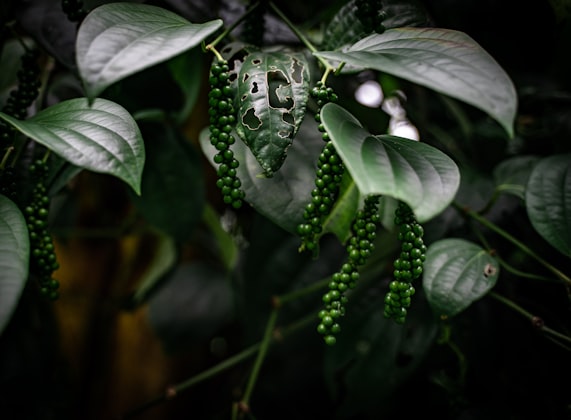 Middle
Piperaceae
Middle
Piperaceae
Pepper green
 Pepper green
 Piper nigrum
Obtained for steam distillation from the fruits acerbi and fresh of the Piper nigrum L., the stessa plant of the pepper black, but raccolti in a fase of maturation precedent. The harvested anticipata and the lavoration different (liofilization or conservation in salamoia) preservano the components volatili fresh which in the pepper black si ossidano during the essiccatura. The phytochemical profile and simile to the pepper black — α-pinene, β-pinene, sabinene — but with a maggiore presence of monoterpenes fresh and a minor concentration of sesquiterpenes and ossidi, which is in a aroma more fresh, herbaceous-pepato, less pungent and more gentle. In aromatherapy the pepper green condivide the properties rubefacent, analgesic and stimolant of the circulation of the pepper black, with a profile of action more mite and to excellent integration in the miscele for massaggi and in the perfumery. The due varieta — green and black — are interscambiabili in molte applications aromaterapic, with the green preferito when si desidera a note more fresh. Top note fresh-pepata.
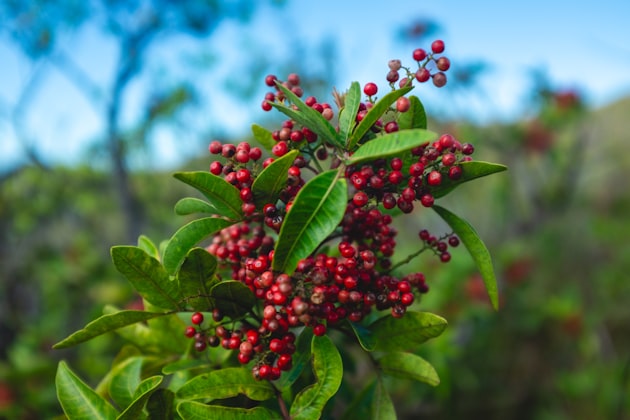 Middle
Anacardiaceae
Middle
Anacardiaceae
Pepper rose
 Pepper rose
 Schinus molle
Extracted by steam distillation from the berries dried of Schinus molle L. or of Schinus terebinthifolia Raddi (pepper rose of the Perù or of the Brazil), trees of the Anacardiacee (the stessa family of the mango and of the anacardio) originari of the South America, now naturalizzati in all the Mediterranean, Florida and Africa southern. The name 'pepper' is improprio botanicaly — the pepper rose not is imparentato with Piper nigrum — but derives dto the aspetto of the berries rosse used as spice. The phytochemical profile is dominated by α-phellandrene (20-40%), β-phellandrene, limonene and myrcene, with elemolo and caryophyllene. The presence of anacardacee implic a potenzial allergenic in people sensible to the family (anacardio, pistacchio, mango): prudenza in the applications topiche. In aromatherapy it is used as tonic venous and circolatorio, analgesic joint light, antiseptic and as note aromatic innovative in perfumery — the pepper rose is one of the ingredient more trendy of the niche perfumery contemporanea for the its freschezza pungent and fruity. Top-to-heart note fresh, pepata, slightly fruity.
 Top
Lamiaceae
Top
Lamiaceae
Peppermint
 Peppermint
 Mentha × piperita
Extracted by steam distillation from the leaves and from the flowers of Mentha × piperita L. (peppermint, peppermint), hybrid sterile among water mint (M. aquatic) and spearmint (M. spicata), perennial herbaceous plant of the Lamiaceae cultivated intensively throughout the world — India (Uttar Pradesh), USA (Oregon, Washington), China and Europe. It is one of the essential oils most widely used in the world in the food industry, cosmetic and pharmaceutical. The phytochemical profile is dominated by menthol (35-55%), menthone (15-30%), menthyl acetate (2-10%) and neomenthol, with isomenthone, menthofuran and pulegone in traces. The menthol is an agonist of the cold receptor TRPM8 (stimulates the sensation of coolness without lowering the temperature), serotonin inhibitor (antiemetic) and analgesic topical which blocks the calcium channels in the sensory C fibers. In aromatherapy it is used as headache analgesic (temporal application), antiemetic (pregnancy-related nausea and chemotherapy), decongestant nasal, digestive and powerful carminative. Contraindicated in children under the 12 years and during pregnancy. Very fresh top note, strongly mentholated and penetrating.
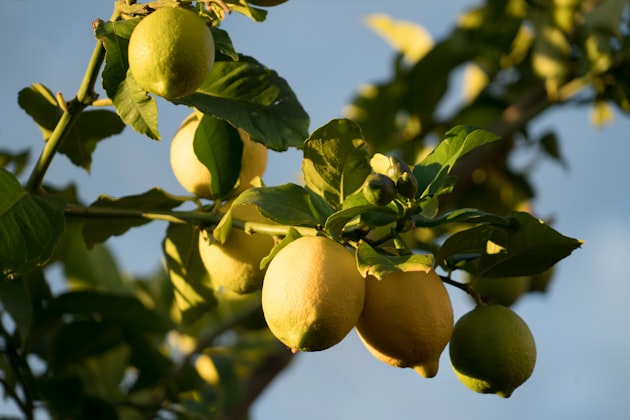 Middle
Rutaceae
Middle
Rutaceae
Petit grain lemon
 Petit grain lemon
 Citrus limon
Extracted by steam distillation from the leaves verdi and from the twigs young of Citrus limon (L.) Osbeck (petit grain of lemon, lemon petitgrain), tree of the Rutaceae probably native of the India northern, today cultivated in the regions mediterranee, in California, Argentina and Sudafrica. The petit grain of lemon si distingue nettaly dto the oil of peel: mentre the peel and dominated from d-limonene (60-80%), the leaves producono a oil ricco in citral (geranial + neral: 30-50%), with linalool, beta-pinene and terpinen-4-olo. The citral and the responsible for the intense note lemony fresh, of the properties antibacterial, antifungal and antiviral documented against influenza viruses and rinovirus. TO differenza of the peel, the petit grain of lemon not contains furanocumarine and free of photosensitization significative. In aromatherapy and used as antiseptic respiratory and skin, anxiolytic and sedative moderate, tonic digestive and antiemetic. Excellent alternative to the peel for the applications topiche without risk fotochimic. Bright top note, fresh, citrina and slightly herbaceous.
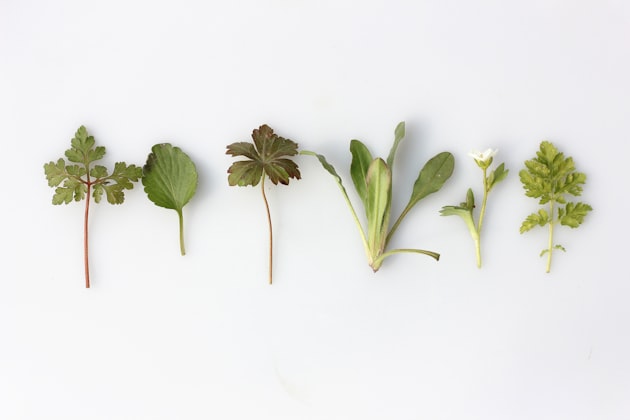 Top
Rutaceae
Top
Rutaceae
Petitgrain
 Petitgrain
 Citrus aurantium bigaradia
Extracted by steam distillation from the leaves verdi and from the twigs young of Citrus x aurantium L. subsp. bitter (petit grain bigarade, petit grain of bitter orange), citrus fruit of the Rutaceae cultivated in Paraguay (primo produttore worldwide), Morocco, Tunisia and France southern. The petit grain bigarade and one of the tre oils of the bigarade: from the peel si ricava the oil of bitter orange, from the flowers the neroli, from the leaves the petit grain — with profili chimic completaly different among loro. The phytochemical profile of the petit grain bigarade and dominated from linalyl-acetate (45-65%) and linalool (20-30%), with beta-pinene, geranile-acetate and nerile-acetate. The linalyl-acetate and the linalool insieme provide properties sedative on the nervous system with mechanism GABA-ergico documented, analgesic topiche and antibacterial with broad-spectrum activity. The petit grain bigarade and considered one of the more bilanciati and complessi among the petit grain: less floral of the neroli, less pungent of the bitter orange, with a raffinatezza herbaceous-woody your. In aromatherapy and used as anxiolytic and antidepressant moderate, sedative for insomnia, antiseptic skin and base for perfumes Cologne classic. Top-to-heart note fresh, herbaceous, floral-woody and gentle.
Pimento (berries)
 Pimento (berries)
 Pimenta dioica
Extracted by steam distillation from the fruits quasi mature (berries verdi dried) or from the leaves of Pimenta dioica (L.) Merr. (pimento, pepper of the Giamaica, allspice), tree tropical of the Myrtaceae native of the Caraibi and of the America Central, where is cultivated mainly in Giamaica (80% of the production worldwide). The name inglese 'allspice' riflette the fatto which the aroma of the pimento reminiscent of contemporanealy chiodi of clove, pepper black, nut nutmeg and cinnamon — a sfida polisensorial only in the botanic of the aromi. The phytochemical profile of the fruits is dominated from eugenol (60-80%), seguita from eugenile-metil-etere, β-caryophyllene and metil-eugenol; the leaves have proportions simili but with more metil-eugenol. L'eugenol provides to the pimento the analgesic properties locali, antibacterial and anti-inflammatory tipiche of the composti fenolic. In aromatherapy it is used as analgesic muscular and joint, antibacterial, stimulating digestive and carminative, antioxidant and as component spicy-warm in perfumery. Dermocaustico: use diluted. Top-to-heart note warm, chiodous and spicy-complessa.
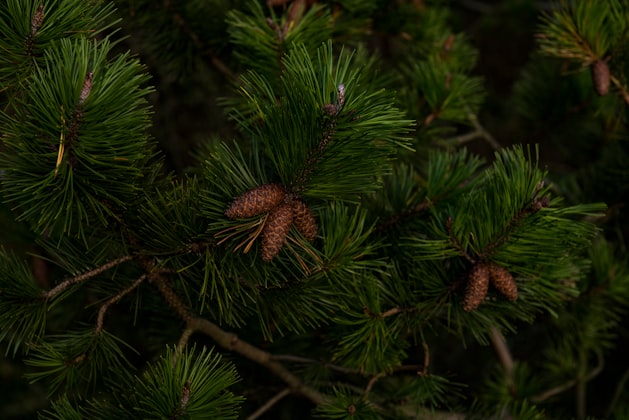 Middle
Pinaceae
Middle
Pinaceae
Pine cembro
 Pine cembro
 Pinus cembra
Extracted by steam distillation from the needles and from the twigs of Pinus cembra L. (pine cembro, cembro, arolla, Swiss stone pine, Zirbe), conifera of the Pinaceae widespread in the Alps and in the Carpathians ad alta elevation (1.800-2.300 m), where forma the ultimi boschi first of the limite of the trees. The pine cembro and one of the trees more longevi of the Alps, with individui which vivono over 1.000 years, and the its wood aromatic has traditionally rivestito the pareti of the camere from letto alpine for the properties calmant and favorent the sleep. Studies of the Universita of Graz (Austria) have documented which the fragrance of the pine cembro (zirbe) reduces the heart rate in sleep of the 3.5% and improves significativaly the quality of the riposo. The phytochemical profile is dominated by alpha-pinene (25-40%), delta-3-carene (15-25%), beta-pinene and bornyl-acetate, with limonene and myrcene. In aromatherapy the pine cembro and used as sedative of the nervous system simpatic, tonic of the ritmo circadiano and of the quality of the sleep, analgesic muscular and purifying environmental alpine with effect grounding. Top-to-heart note fresh, resinous and slightly balsanic with reminiscenze alpine.
 Top
Pinaceae
Top
Pinaceae
Pine coreano
 Pine coreano
 Pinus koraiensis
Extracted by steam distillation from the needles and from the twigs of Pinus koraiensis Siebold & Zucc. (pine coreano, Korean pine, cedar pine), large conifera of the Pinaceae native of the Corea, of the Manciuria, of the Japan and of the Siberia oriental, where forma forests miste with the latifoglie in the areas fredde-temperate of East Asia. THE seeds commestible (pignoli coreani) are among the more large and nutrient of the genus Pinus, widely raccolti and commerciati. The phytochemical profile of the oil from the needles is dominated from α-pinene (30-45%), β-pinene (15-25%) and δ-3-carene, with germacrene-D and β-caryophyllene as sesquiterpenes minor. In aromatherapy condivide the tonic properties and antisettic of the other species of Pinus: expectorant, decongestant of the airways, tonic of the nervous system and analgesic muscular. Has a fragrance particularly clean and fresh among the pini, with less note resinous pesante compared to the pine Scots. Used in the diffuser as purifying environmental and in massaggi post-allenamento. Top note fresh, resinous and boscous.
 Top
Pinaceae
Top
Pinaceae
Pine marittimo
 Pine marittimo
 Pinus pinaster
Extracted by steam distillation from the needles and from the twigs young of Pinus pinaster Aiton (pine marittimo, pin des Landes, pine de Galicia), conifera of the Pinaceae widespread on the coasts atlantic of the penisola iberic and of the Golfo of Guascogna, with estese piantagioni artificial in the Landes French and in Portugal. The pine marittimo is the species from the which bark si estrae the Pycnogenol — the noto extracted oligomeric procianidinic — but the essential oil of the needles has a profile chemical completaly distinto. The phytochemical profile is dominated by α-pinene (40-60%), β-pinene (15-25%) and δ-3-carene, with limonene, myrcene and small amount of longifoleene. THE pineni are molecules with documented activity broncodilatatrice, antibacterial, antioxidant and modulatrice of the acetilcolinesterasi — a mechanism of interesse in the ricerca on the memory and on the funzione cognitive. In aromatherapy it is used as tonic of the sistema respiratory (expectorant, decongestant), stimulating of the nervous system, analgesic muscular light and as fragrance boscous-marino evocative of the pinete coastal. Recommended for the asthenia primaverile, the convalescenza and the muscle pain from affaticamento. Top note fresh, resinous and marina.
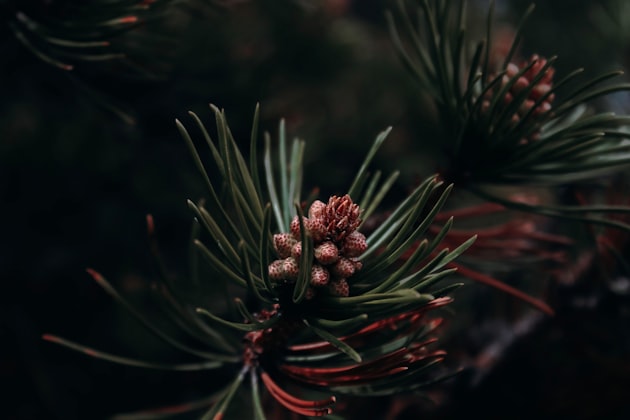 Middle
Pinaceae
Middle
Pinaceae
Pine mugo
 Pine mugo
 Pinus mugo
Extracted by steam distillation from the needles, from the twigs and talvolta from the buds of Pinus mugo Turra (pine mugo, mugo, dwarf mountain pine, Latschenkiefer), shrub prostrato or small tree of the Pinaceae endemic of the mountains europee — from the Alps to the northern Apennines, to the Carpathians and to the Balcani — where colonizza the slopes roccious ad alta elevation among the 1.500 and the 2.400 m, often as ultima species first of the area nivale. The pine mugo and the plant identitaria of the Dolomiti, of the Alps oriental and of the Carpathians, present in the simboli nazional and in the traditions popolari alpine. The phytochemical profile is dominated by alpha-pinene (30-45%), delta-3-carene (15-30%), beta-pinene (10-20%) and limonene, with bornyl-acetate and myrcene as components minor. L'elevata concentration of pineni provides to the oil of pine mugo eccellent properties espettorant, broncodilatatorie and anti-inflammatory of the airways, with a profile balsamic more 'grezzo' and montano of the fir white. In aromatherapy and used as expectorant and tonic respiratory winter, analgesic muscular, tonic of the nervous system and as purifying environmental with fragrance alpine autentic. Top-to-heart note fresh, resinous and montanara.
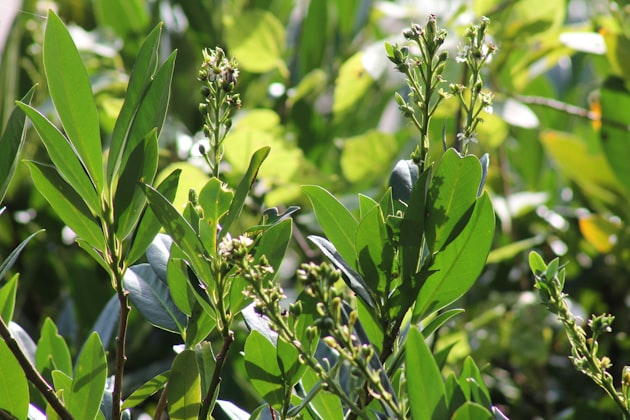 Top
Lauraceae
Top
Lauraceae
Ravensara
 Ravensara
 Ravensara aromatica
Extracted by steam distillation from the bark or from the leaves of Ravensara aromatic Sol. (ravensara, havozo falso), evergreen tree of the Lauracee endemic of the Madagascar oriental, where grows in the forests pluvial of low elevation. The name commercial 'ravensara' and cause of frequentissima confusione with the ravintsara (Cinnamomum camphora CT cineole of the Madagascar), with the iary (Ocotea cymosa, denominato also 'ravensare odorant') and with the Helichrysum gymnocephalum ('helichrysum of the Madagascar'): quattro plants different, commercializzate often with nomi intercambiabili. The phytochemical profile of the Ravensara aromatic from the bark and dominated from metileugenolo (60-80%) — a fenilpropanoide with potenzial genotossic (classificato dto the EFSA as probable cancerogeno genotossic to doses high) and anethole. From the leaf the profile and different, more ricco in sabinene and limonene. In aromatherapy the ravensara from the bark and used with caution for the properties antiviral and analgesic; the leaves are more sicure but less studiate. Identificare correttaly the part of the plant and the species botanic before use. Top-to-heart note variable, spicy or balsamic to seconda of the fonte.
 Middle
Lauraceae
Middle
Lauraceae
Ravintsara
 Ravintsara
 Cinnamomum camphora ct. 1,8-cineolo
Extracted by steam distillation from the leaves of Cinnamomum camphora (L.) J.Presl chemotype cineole, cultivated to Madagascar (ravintsara), where the canforo asiatic has sviluppato — in centuries of acclimatation to the conditions climatic of the isola — a chemotype dominated from 1,8-cineole invece of camphor. The name malgascio 'ravintsara' signific 'leaf buona' and riflette perfettaly the ruolo therapeutic universal which ne fa the medicina traditional malgascia, where is used for every tipo of affetion infettive. The phytochemical profile is dominated by 1,8-cineole (50-65%), sabinene, α-terpineol and linalool, with virtually nessuna camphor — to differenza of the camphor white extracted from the wood of the stessa species. This composition equilibrata the makes the cosiddetto 'coltellino svizzero' of the aromatherapy winter: antiviral powerful (documented against HSV-1, influenza viruses and coronavirus), immune-stimulating, expectorant of the respiratory tract, analgesic sweet and tonic of the nervous system. is the pilastro of the protocollo antiviral of the scuola aromaterapic French — diffusione environmental, application toracic and plant of the feet. Top-to-heart note fresh, balsamic and slightly eucaliptoide.
 Top / Middle
Rosaceae
Top / Middle
Rosaceae
Regina of the prati
 Regina of the prati
 Filipendula ulmaria
Extracted by steam distillation from the sommita flowering of Filipendula ulmaria (L.) Maxim. (olmaria, regina of the prati, meadowsweet), perennial herbaceous plant of the Rosacee widespread in the areas wet, to the bordi of the fiumi and in the prati paludous of the Europe and of the Asia temperata. The regina of the prati and historically celebre as the plant from which fu isolato for the first volta the acid salicilic in the 1835 from Johan Lowig — the stessa molecule which poi Bayer sintetizzo as acid acetilsalicilic (aspirina) in the 1897. The name 'aspirina' derives appunto from 'Spira' (Spiraea ulmaria, vecchio name botanic of the olmaria). The phytochemical profile is dominated by salicilato of methyl (25-50%), aldeide salicilic (20-35%) and benzaldeide, with eugenol and vanillina in traces. The salicilato of methyl has properties analgesic topiche, anti-inflammatory and antipiretic — mechanism analogo to the aspirina (inibition of the COX-1 and COX-2). In aromatherapy and used as analgesic and anti-inflammatory rheumatic, antipiretic, antiseptic and digestive. Attenzione: contraindicated in the allergy to the aspirina and with anticoagulant. Top-to-heart note fresh, herbaceous-medicinal, with note of almond and flower white.
 Middle
Ericaceae
Middle
Ericaceae
Rododendro
 Rododendro
 Rhododendron anthopogon
Extracted by steam distillation from the leaves and from the flowers of Rhododendron anthopogon D.Don (rododendro of the Nepal) or of Rhododendron caucasicum Pall. (rododendro of the Caucaso), arbusti alpini of the Ericacee diffusi in the mountains of the Asia central and of the Caucaso ad alta elevation. The rododendro of the Nepal and used in the cerimonie buddiste tibetane as frankincense purifying in the regions of the Himalaya and of the Tibet. The phytochemical profile is dominated by alpha-pinene and beta-pinene (30-50%), germacren-D (15-25%) and juniperene, with beta-caryophyllene and alpha-humulene as sesquiterpenes. THE rododendri contain in natura grayanotossine (diterpeni policiclic in the leaves and in the nettare) which NOT si trovano in the essential oil distillate but rendono the honey of rododendro toxic ('honey pazzo' of the Caucaso). In aromatherapy the oil distillate and used as anti-inflammatory and analgesic joint (arthritis, rheumatic pain), tonic of the nervous system with effect meditative simile to the frankincense himalayano, antibacterial and purifying environmental in the traditions tibetane and ayurvedic. Top-to-heart note fresh, resinous, floral-montana and spiritual.
 Middle
Asteraceae
Middle
Asteraceae
Roman Chamomile
 Roman Chamomile
 Chamaemelum nobile
Extracted by steam distillation from the sommita flowering of Chamaemelum nobile (L.) All. (chamomile Roman, chamomile inglese, Roman chamomile), small perennial herbaceous plant of the Asteracee native of the Europe western, cultivated intensively in France (Maintenon, Thimerais), in Inghilterra and in Argentina. Va distinta from the chamomile tedesca or common (Matricaria chamomilla), with which condivide some properties but has composition radically different. The phytochemical profile is dominated by angelicato of isobutile (20-35%), angelicato of 2-metilbutile (15-25%) and propionato of isobutile — esters of the acidi angelic and metacrilic responsible of the fragrance mela-fieno-sweet characteristic of the chamomile Roman. Not contains chamazulene (assente the blue of the oil) ne ossido of bisabololo to differenza of the tedesca. In aromatherapy the chamomile Roman and the oil of choice for the anxiety, the insomnia and the nevrous in children (excellent tollerabilita) and in the adults. Has properties antispasmodic visceral upper to the chamomile tedesca, anti-inflammatory moderate, antinausea and sedative of the SNC. Recommended also for the colic neonatal and the dentino. Heart note sweet, floral-fruity, mela and fieno.
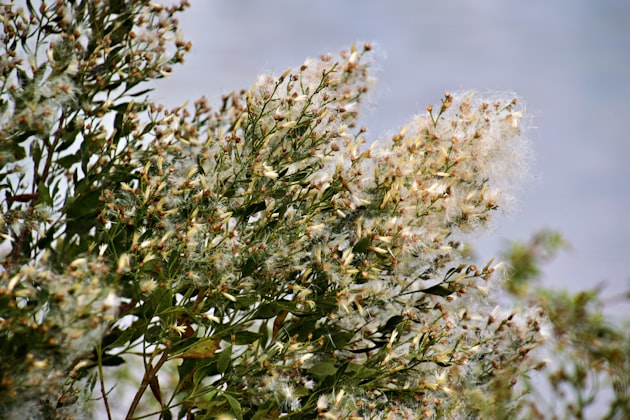 Middle
Myrtaceae
Middle
Myrtaceae
Rosalina
 Rosalina
 Melaleuca ericifolia
Extracted by steam distillation from the leaves and from the twigs young of Melaleuca ericifolia Sm. (rosalina, lavender tea tree), shrub or small tree of the Myrtaceae endemic of the coasts southern Victoria and of the New South Wales in Australia, where grows in the areas coastal wet and in the paludi salmastre. The rosalina is one of the oils australiani less conosciuti but more interessant of the aromatherapy: the its phytochemical profile is eccezionally balanced, with linalool (35-55%), 1,8-cineole (10-25%) and α-pinene — a combination which unisce the dolcezza anxiolytic of the linalool with the properties antiinfettive of the cineole. The rosalina is often chiamata 'the tea tree for children' perché — to differenza of the tea tree classic (M. alternifolia) — is particularly gentle and tollerata also from the skin more sensible, pur mantenendo to excellent antibacterial activity and antiviral. In aromatherapy it is used as antiinfettive sweet, immune-stimulating, anxiolytic and decongestant. Recommended for children above the 3 years. Top-to-heart note floral, fresh and delicataly lavandacea.
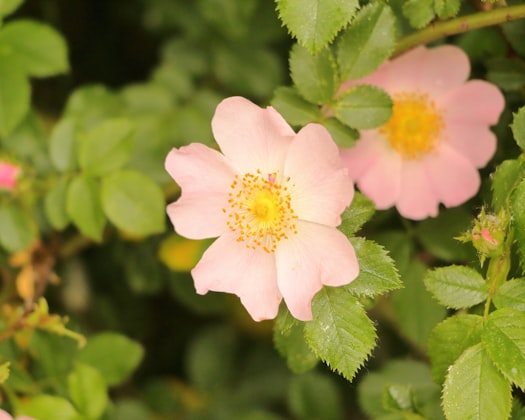 Base
Rosaceae
Base
Rosaceae
Rose canina (seed)
 Rose canina (seed)
 Rosa canina
Extracted by steam distillation from the petals fresh or from the cinorrodi (fruits) of Rose canina L. (rose wild, rose of macchia), shrub spinous of the Rosacee widespread in all Europe, Asia western and North Africa in the siepi, to the margini of the boschi and on the scarpate up to to 1.800 m. L'essential oil of petals of rose wild (assai rare and precious) condivide parzially the profile of the geranium rosaceo but with a note more wild. From distinguere dto the oil fisso of rose canina (rosehip oil) — the oil vegetal pressofrigido from the seeds of the cinorrodi, ricchissimo in acid linoleic and acidi grassi insaturi, very used in cosmesi anti-aging. The phytochemical profile of the essential oil include citronellol, geraniol, nerol and nonadecano — composti responsible of the fragrance floral-rosaceo gentle. In aromatherapy the oil of petals is used as antidepressant floral, tonic uterino, healing skin and aphrodisiac. L'oil fisso from the seeds is invece a regenerating skin excellent for scars, stretch marks and skin mature. Heart note floral, wild and delicataly rosea.
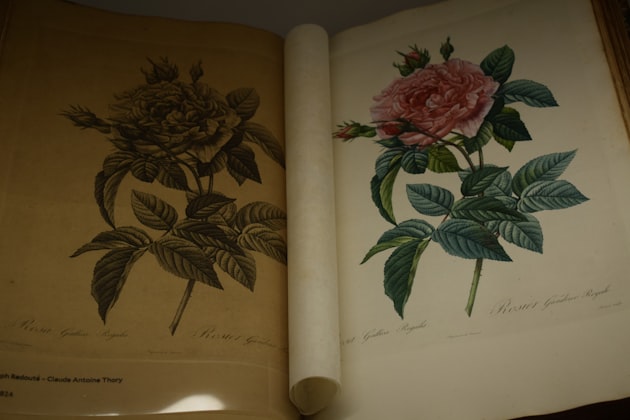 Middle
Rosaceae
Middle
Rosaceae
Rose centifolia
 Rose centifolia
 Rosa centifolia
L'absolute or the oil concreto of rose centifolia and obtained for solvent extraction or enfleurage from the petals fresh of the Rose centifolia L. ('rose of the cento petals', rose of Grasse or rose of the Morocco), hybrid cultivated selezionato the which origin and attribuita to the botanic olandesi of the XVII century. The principal aree of production are Grasse (France) — ormai in ridution — and especially the Morocco (Valle of the Rose, Dades). Not va confusa with the Rose damascena (of Damasco), the more common in commercio, extracted for distillation. The profile and dominated from feniletilic-alcol (50-65%), alcol benzilic, geraniol, citronellol and nonadecano, with rose ossido in traces (responsible of the note characteristic). The vera rose centifolia — rarissima and costosissima (4-6 milioni of petals for 1 kg of absolute) — and considered the materia first more precious of the perfumery. In aromatherapy and the remedy for the amore, for the pain emotional and for the mature skin: has action antioxidant, healing, antidepressant and aphrodisiaca documented. Heart note floral-rotonda, the more complessa and 'rosei' among all the flowers.
 Middle
Rosaceae
Middle
Rosaceae
Rose nutmeg
 Rose nutmeg
 Rosa moschata
Extracted by steam distillation from the petals fresh of Rose moschata Herrm. (rose moschata, rose of the Musk) or, more frequentely, of Rose rubiginous L. (rose eglanteria), rose of the Rosacee rispettivaly originarie of the South Asia and of the Europe western. From not confondere with the oil fisso of rose canina (rosehip oil), obtained for pressofrigido from the seeds of the cinorrodi and used in cosmesi anti-aging. The phytochemical profile of the essential oil of rose moschata is dominated from citronellol (25-45%), geraniol (15-30%) and nerol, with to elevata concentration of idrocarburi to lunga catena (nonadecano and nonadecene) which provide the characteristic note cerosa-rosaceo-muschiata which distingue this rose dto the otto of rose damascena more floral. In aromatherapy it is used as antidepressant and tonic emotional for the traumi affettive and the perdite, afrodisiaca sweet, healing skin excellent and ormono-regolatrice in the disfuntions ginecologic (dismenorrea, premenstrual syndrome, menopause). The costo is sensibilly inferiore to the otto of rose damascena, rendendola accessible for the formulations quotidiane and the cure cosmetics. Heart note floral rosaceo-muschiata, morbida and slightly cerosa.
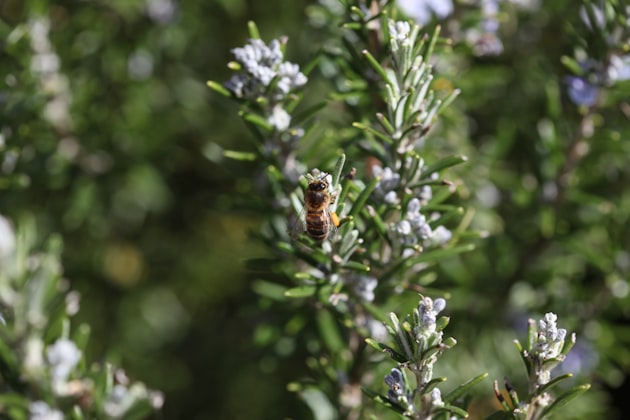 Middle / Top
Lamiaceae
Middle / Top
Lamiaceae
Rosemary
 Rosemary
 Salvia rosmarinus
Extracted by steam distillation from the flowering tops of Sage rosmarinus Spenn. (sin. Rosmarinus officinalis L., rosemary common), evergreen shrub of the Lamiaceae typical of the macchia mediterranea, widespread from the coasts atlantic iberic up to to the Turkey and to the North Africa, prevalentely on soils calcarei assolati. Among the plants medicinal more longeve of Europe — già Dioscoride and Plinio the descrivono — the rosemary is simbolo of memory and fedeltà in the tradition western. The phytochemical profile varia significativaly among chemotypes: the CT cineole (dominant in Morocco and Spain) contains 1,8-cineole (35-50%), α-pinene and camphor (<10%); the CT camphor (France, Spain interna) has camphor (15-30%); the CT verbenone (Corsica, Sardinia) is ricco in verbenone (15-40%). In aromatherapy the properties variano for CT: the cineolic is expectorant and antiinfettive; the canforic is tonic muscular and circolatorio; the verbenonic is regenerating hepatic. Common to all the CT: stimulating action of the nervous system, miglioramento of the memory and concentration, antioxidant. Contraindicated during pregnancy, epilepsy. Heart-to-top note balsamic, fresh and aromatic.
Rosemary ct. camphor
 Rosemary ct. camphor
 Salvia rosmarinus ct. canfora
Extracted by steam distillation from the flowering tops of Sage rosmarinus Spenn. (sin. Rosmarinus officinalis L.) chemotype camphor — the chemotype caratterizzato from the prevalenza of camphor in the profile terpenic (15-30%), typical of the popolations alpine and appenninic of elevation elevata, in particular of the Spain central, of the Sud of the France and of the areas montane italiane. The camphor is a chetone biciclic with powerful properties stimolant of the nervous system central — in eccesso is neurotossic and convulsivant — which provides to this chemotype the maggiore activity miorelaxing and analgesic of the tre CT principal, but also the more high profile of risk. The phytochemical profile is dominated by camphor (15-30%), α-pinene (20-35%), 1,8-cineole (15-25%) and camfene. In aromatherapy is recommended as tonic muscular of choice in the massage sportive, as analgesic joint in the rheumatism and as stimulating respiratory in the situations of hypotension and asthenia. Contraindicated during pregnancy, epilepsy and children. Very fresh top note, camphorata and penetrating.
Rosemary ct. cineole
 Rosemary ct. cineole
 Salvia rosmarinus ct. cineolo
Extracted by steam distillation from the flowering tops of Sage rosmarinus Spenn. (sin. Rosmarinus officinalis L.) chemotype cineole — the chemotype of the rosemary caratterizzato from to alta concentration of 1,8-cineole (eucalyptol), tipicaly superiore to the 40%, and from a proportion ridotta of camphor compared ad other chemotypes. This CT is prevalent in the popolations of the Nordafrica (Morocco, Tunisia) and of the Portugal southern, where the conditions of calore and umidity promote the biosintesi of the cineole compared to the camphor. The phytochemical profile is dominated by 1,8-cineole (40-55%), α-pinene (10-20%) and camphor (5-15%), with camfene and β-pinene. Compared to the CT camphor, is more sweet and less stimulating neurologicaly, with to excellent action expectorant and antinfettive of the respiratory tract. In aromatherapy is considered the chemotype of rosemary more safe and versatile: recommended for the infections respiratory acute (bronchitis, sinusitis), as stimulating cognitive light, as tonic circolatorio and as antiseptic environmental. Contraindicated in the first trimester of pregnancy. Top-to-heart note balsamic, fresh and slightly eucaliptoide.
Rosemary ct. verbenone
 Rosemary ct. verbenone
 Salvia rosmarinus ct. verbenone
Extracted by steam distillation from the flowering tops of Sage rosmarinus Spenn. (sin. Rosmarinus officinalis L.) chemotype verbenone — the chemotype more rare and high-quality of the rosemary, caratterizzato from to alta concentration of verbenone (15-40%), chetone biciclic with spiccate properties rigeneratric epatic and mucoregolant. The CT verbenone is typical of some popolations specific of the Corsica and of the Sardinia northern, where the conditions pedoclimatic particular promote the biosintesi of the verbenone. The phytochemical profile is dominated by verbenone (15-40%), α-pinene (20-35%) and 1,8-cineole (8-18%), with camphor ridotta compared to the other CT. The verbenone is the component responsible of the peculiare action on the liver documented for this chemotype — tonic and regenerating hepatic, mucoregolatore of the respiratory tract (thins the phlegm) and stimulating of the rigeneration skin. In aromatherapy is considered the 'rosemary for the liver' for eccellenza: recommended in the cure depurative, in the epatite chronic, in the phlegm bronchial persistent and in the rinnovamento cellulare skin. Contraindicated during pregnancy and children small. Heart-to-top note fresh, canforata and slightly cetonic-verdenic.
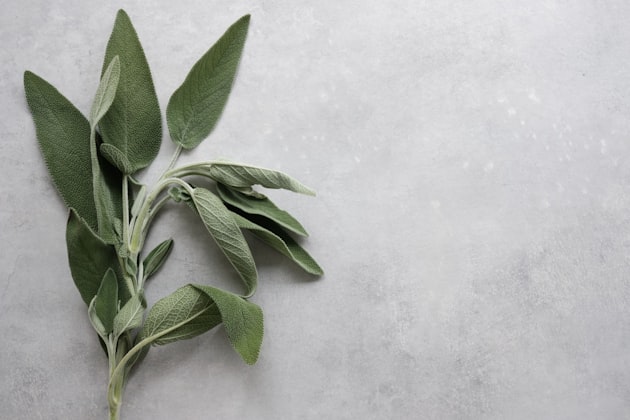 Middle
Lamiaceae
Middle
Lamiaceae
Sage
 Sage
Sage Salvia officinalis
Extracted by steam distillation from the sommita flowering of Sage officinalis L. (sage common, sage officinal, garden sage), plant arbustive perennial of the Lamiaceae typical of the slopes calcarei soleggiati of the Mediterranean, cultivated in all Europe as herb aromatic medicinal fundamental sin dto the antichita. The name botanic derives from the latino 'salvare' (guarire), and the sage era among the plants more prezious in the tradition medical medieval: 'cur moriatur homo which sage crescit in horto?' (perche dovrebbe morire a uomo which has the sage in the orto?). The phytochemical profile is dominated by alpha-tuione (20-45%) and beta-tuione (4-15%) — ketones biciclic with spiccata neurotossicita — with camphor (15-25%), 1,8-cineole (8-18%) and borneolo. THE tuioni are the responsible of the properties abortive, antimenorragic and antinsudate of the sage, but also of the its neurotossicita and convulsivabilita to doses eccessive. In aromatherapy si usa with large caution: max 1% topical, avoid during pregnancy, epilepsy and children. Indicazioni principal: menopause (ridution of the vampate), iperidrous, problems mestrual and digestion bitter. Heart note warm, aromatic, canforata and herbaceous.
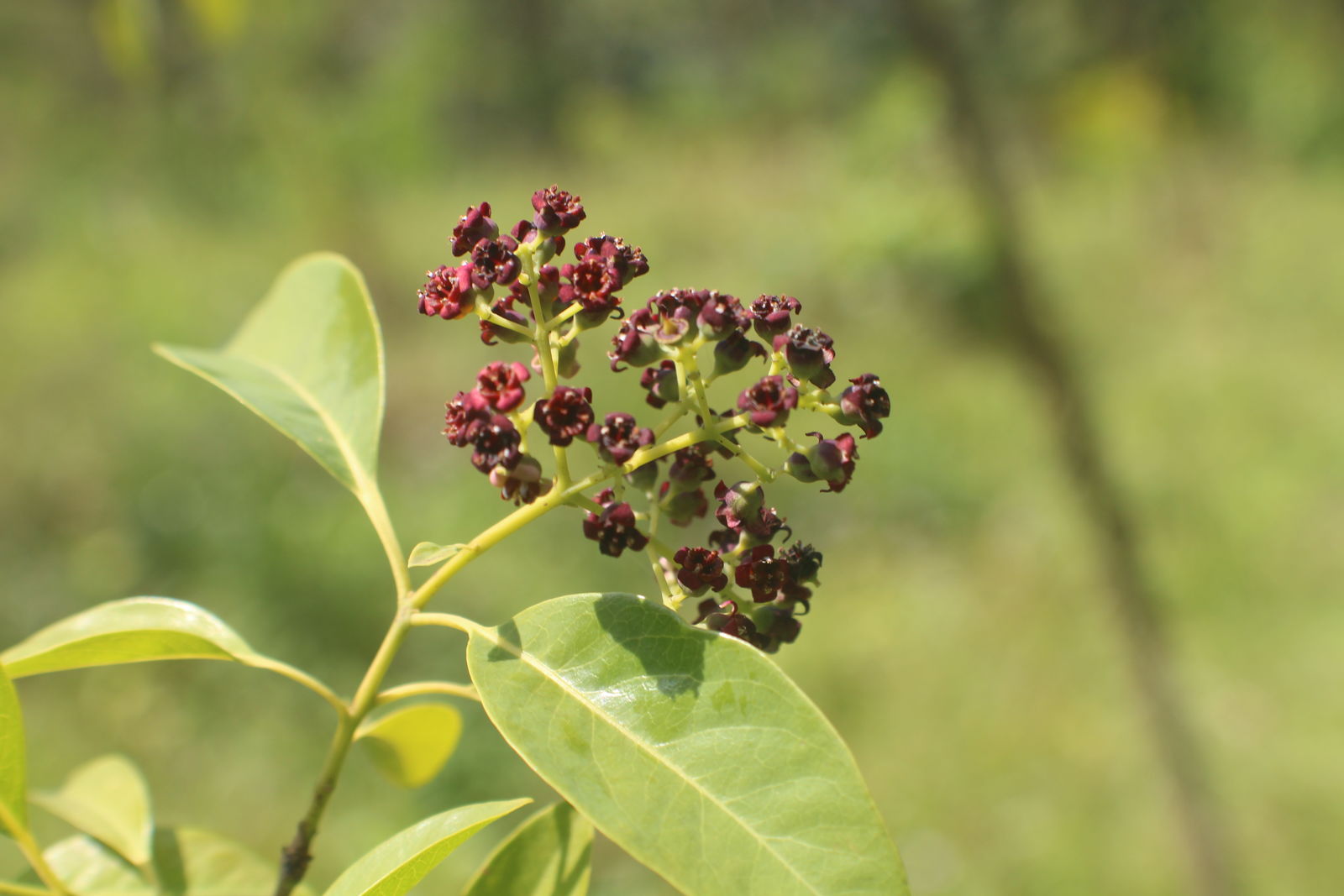 Base
Santalaceae
Base
Santalaceae
Sandalwood
 Sandalwood
 Santalum album
Extracted by steam distillation from the wood of the heartwood of Santalum album L. (sandalwood white, sandalwood of Mysore, sandalwood Indian), small evergreen tree of the Santalacee semiparassita of the roots of species ospiti, native of the India southern (Karnataka, Tamil Nadu, Kerala) where the piantagioni statal of Mysore producono the high-quality oil denominato 'Mysore sandalwood oithe . S. album is classificato as vulnerable dto the IUCN for the sovrasfruttamento historic, and today the maggior part of the commercio is regolamentata. The phytochemical profile is dominated by α-santalolo (40-55%) and β-santalolo (18-25%), with epi-β-santalolo and santenolo — sesquiterpenoidi alcoholic responsible of the sedative action, antiseptic mucosal, astringent and afrodisiaca documented. The α and β-santaloli have activity agonist at the receptors olfattive OR2AT4 (espressi also in the skin), coinvolti in the proliferation cellulare skin — a mechanism of interesse dermatologic. In aromatherapy the sandalwood is used as sedative deep, meditative, aphrodisiac, antiseptic of the vie genito-urinary and tonic skin for dry skin and mature. Base note warm, lattiginous, woody and deeply persistent.
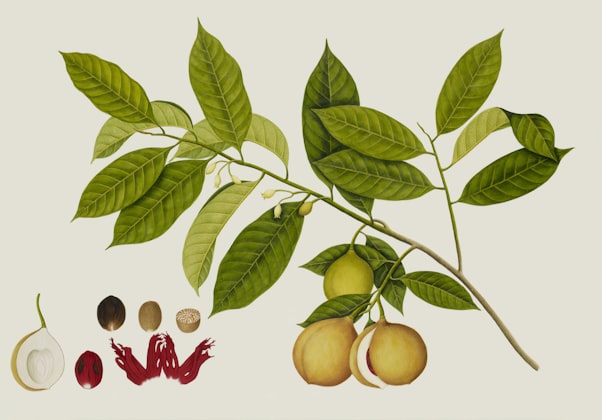 Base
Santalaceae
Base
Santalaceae
Sandalwood australiano
 Sandalwood australiano
 Santalum spicatum
Extracted by steam distillation from the wood of Santalum spicatum (R.Br.) TO.DC. (sandalwood australiano, Western Australian sandalwood), evergreen tree of the Santalacee endemic of the Australia western, seeds-emiparassita of the roots of plants ospiti arbustive as Acacia and Allocasuarina. The sandalwood australiano is the risposta of the industry aromaterapic to the pressione of conservation on the sandalwood of Mysore (Santalum album), classificato vulnerable dto the IUCN, and is today cultivated in piantagioni sostenible certificate in the Western Australia. The phytochemical profile is dominated by santaloli — α-santalolo (20-30%) and β-santalolo (10-18%) — in proportions inferiori to the sandalwood white of the India but comunque significative. Are present also sesquiterpenes unici as the lanceolo and composti ciclofarnesanolic. In aromatherapy the properties of the sandalwood australiano are simili — sebbene less intense — to quelle of the sandalwood Indian: sedative, anxiolytic, astringent of the mucous membranes, anti-inflammatory and aphrodisiac. is particularly apprezzato in the care of the dry skin and in the meditation. Base note warm, woody and sweet.
 Middle
Canellaceae
Middle
Canellaceae
Saro
 Saro
Saro Cinnamosma fragrans
Extracted by steam distillation from the leaves and from the branches of Cinnamosma fragrans Baill. (saro, mandravasarotra), shrub or small evergreen tree of the Canellacee — a family small and primitive of angiosperme tropical — endemic of the Madagascar north-western and central, where grows in the forests secche decidue to quote among 0 and 800 m. In malgascio 'mandravasarotra' signific letterally 'which repels the male' — a name which riflette the use traditional as remedy antiinfettive and protettive of the salute. The phytochemical profile is dominated by 1,8-cineole (40-60%), sabinene, α-terpineol and trans-sabinene idrato — a profile simile to the ravensara but with a percentual of cineole generally more alta. In aromatherapy the saro is valorizzato as antiviral and immune-stimulating powerful, as expectorant in the conditions respiratory acute and cronic, as antifungal and antibacterial. is considered dto the aromatherapy French a 'pietra angolare' of the treatment winter, analogo to the ravintsara. Top-to-heart note fresh, balsamic and slightly spicy.
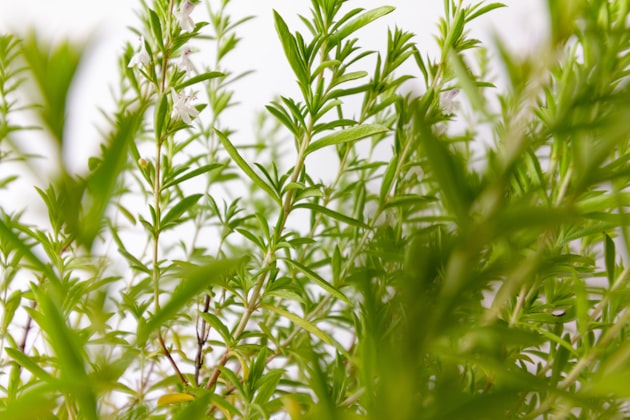 Middle
Lamiaceae
Middle
Lamiaceae
Savory
 Savory
 Satureja montana
Extracted by steam distillation from the parts aeree flowering of Satureja hortensis L. (savory estiva, summer savory, sarriette of ete), plant herbaceous annual of the Lamiaceae native of the Southern Europe and of the Asia western, cultivated in all the Mediterranean as herb aromatic from kitchen and plant medicinal. The savory estiva si distingue from the montana (S. montana, perennial) for the properties more blande and for a phytochemical profile slightly different. The phytochemical profile is dominated by carvacrol (20-45%) and thymol (15-35%) — phenols antibacterial with activity documented against AND. coli, Staphylococcus aureus and Candida albicans — with gamma-terpinene, para-cimene and beta-caryophyllene. As all the oils fenolic, requires diluition accurata (max 0.5-1%) for dermocausticita. The savory estiva has a profile phenolic more equilibrato of the montana, with maggiore presence of beta-caryophyllene which mitiga parzially the skin irritation. In aromatherapy and used as antibacterial, antifungal, immune-stimulating, digestive bitter, tonic general and as remedy winter in the infections of the respiratory tract. Contraindicated during pregnancy and in children. Top note warm, phenolic and herbaceous.
 Base
Lamiaceae
Base
Lamiaceae
Savory montana
 Savory montana
 Satureja montana
Extracted by steam distillation from the parts aeree flowering of Satureja montana L. (savory montana, savory of estate), perennial herbaceous plant or suffruticous of the Lamiaceae widespread on the colline and on the monti of the Mediterranean northern on soils calcarei and sassous assolati. The savory montana is the cultivar more widespread in the tradition erboristic of the arco alpine and appenninic, where era chiamata 'herba sanitatis' (herb of the salute) in the Medioevo. The phytochemical profile is dominated by carvacrol (30-60%) and thymol (10-30%) — phenols with powerful antibacterial activity, antiviral and antifungal — with γ-terpinene, para-cimene and borneolo. The savory montana is among the oils more potentely antibacterial of the whole aromatherapy: active on batteri multiresistent, mycobatteri and biofilm. Requires diluition severa (max 0.5-1%) for the alta causticity skin of the phenols. In aromatherapy it is used as antibacterial of choice in the infections resistent, antifungal for candidiasis sistemic and skin, immune-stimulating and tonic general. Contraindicated during pregnancy and children. Top-to-heart note very warm, phenolic and robusta.
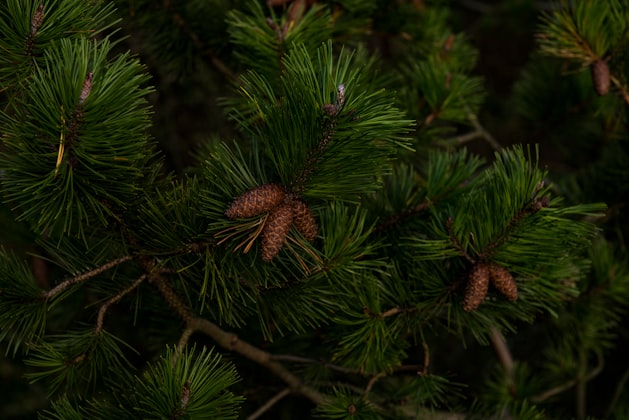 Top
Pinaceae
Top
Pinaceae
Scots Pine
 Scots Pine
 Pinus sylvestris
Extracted by steam distillation from the needles and from the twigs young of Pinus sylvestris L. (pine Scots, Scots pine, Waldkiefer), conifera of the Pinaceae with the distribution geografic more vasta among all the conifere europee — dto the Atlantico iberic to the Siberia oriental, dto the Artico scandinavo to the mountains of the Mediterranean — where colonizza soils sabbious, roccious and poveri on to immensa gamma of substrati. The pine Scots and the tree identitario of Scozia and Finlandia. The phytochemical profile is dominated by alpha-pinene (30-50%), beta-pinene (15-25%), delta-3-carene (10-20%) and limonene, with bornyl-acetate and myrcene as components minor. L'alpha-pinene has documented activity broncodilatatoria (inhibits the acetilcolinesterasi, mechanism paragonable to the broncodilatatori farmacologic), antibacterial, antioxidant and of modulation of the funzione cognitive. In aromatherapy the pine Scots and the oil resinous of choice for the conditions respiratory stagional — expectorant, decongestant, antiseptic of the mucous membranes — tonic muscular and nervous and purifying environmental. Top note fresh, resinous and forestal of the north.
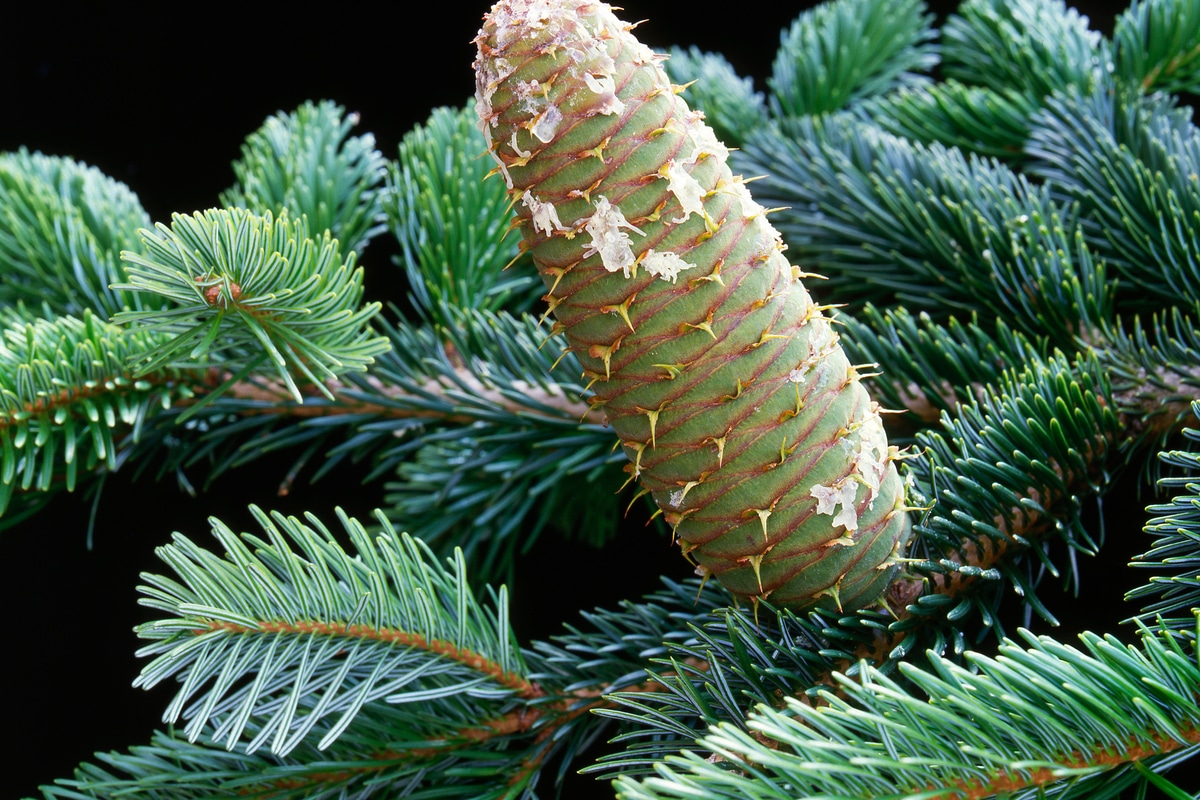 Top / Middle
Pinaceae
Top / Middle
Pinaceae
Silver Fir
 Silver Fir
 Abies alba
Extracted by steam distillation from the needles and from the twigs young of Abies alba Mill. (fir white, silver fir, Weisstanne), large conifera of the Pinaceae widespread in the forests montane of the Central Europe and southern — from the Alps to the Carpathians, from the Apennines to the Pyrenees — where forma the caratteristic forests miste with the faggio in the fascia montana among the 700 and the 1.800 m. AND the fir classic of the decorations natalizie in Central Europe, with needles piatti of colore green bright. The phytochemical profile is dominated by bornyl-acetate (10-25%), alpha-pinene (15-30%), limonene (10-20%) and beta-pinene, with camfene and delta-3-carene. The bornyl-acetate and the key component which provides the note balsamic and the properties expectorant and broncorelaxing typical of the genus Abies. L'fir white has a firma balsamic more fresh and clean compared to the fir red (Picea abies), with less component cerosa and resinous. In aromatherapy and used as expectorant and decongestant of the airways, tonic of the nervous system in case of fatigue and convalescenza, analgesic muscular light and purifying environmental with fragrance alpine. Top-to-heart note fresh, balsamic and boschive.
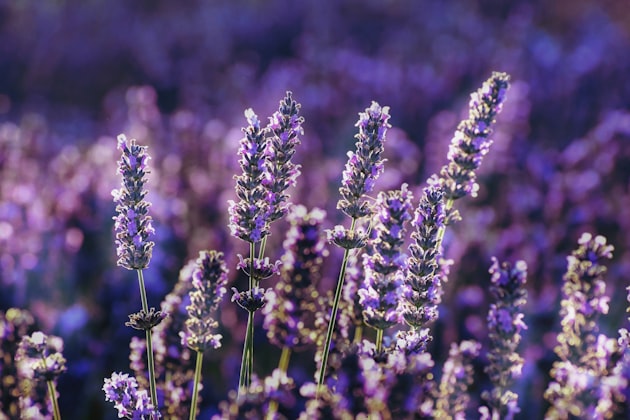 Middle
Lamiaceae
Middle
Lamiaceae
Spike Lavender
 Spike Lavender
 Lavandula latifolia
Extracted by steam distillation from the flowering tops of Lavandula latifolia Medik. (lavender spica, lavender wild, aspic), shrub of the Lamiaceae widespread in the areas mediterranee aride and calcaree among 0 and 800 m — ad altitudini more low compared to the lavender officinal (L. angustifolia) — dto the Iberia to the Centro Italy and to the Maghreb. The lavender spica is botanicaly distinta from the lavender angustifolia and dto the hybrid lavandino (L. × intermedia): has flowers more corti, branches more larghi and a fragrance more canforato and penetrating. The phytochemical profile is dominated by 1,8-cineole (25-35%), linalool (25-40%) and camphor (10-20%) — a composition tripartita which unisce the antiseptic properties of the cineole, quelle ansiolitic of the linalool and quelle analgesic-rubefacent of the camphor. In aromatherapy is the oil of lavender more recommended for the wounds, stings of insects and muscle pain (thanks to the camphor), mentre the lavender angustifolia is preferita for the usi sedative. Contraindicated during pregnancy and children small. Top-to-heart note balsamic, frescomentolata and robusta.
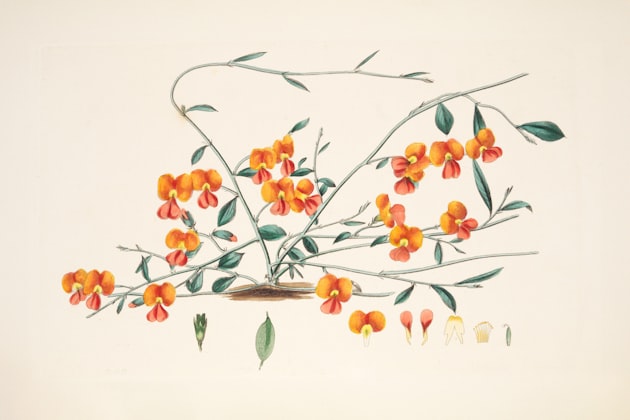 Base
Hypericaceae
Base
Hypericaceae
St. John's wort
 St. John's wort
 Hypericum perforatum
Obtained for maceration in the oil vegetal (macerato oleoso) or for solvent extraction from the flowers and from the buds floreal of Hypericum perforatum L. (St. John's wort, herb of San Giovanni, St. John's wort), perennial herbaceous plant of the Hypericacee widespread in Europe, Asia temperata and Nordafrica in the prati soleggiati, to the bordi of the strade and in the radure boschive. L'essential oil distillate and rare (low resa); more common and the macerato oleoso red-rubino ricco in ipericina and iperflorina. The phytochemical profile of the macerato comprende ipericina and pseudoipericina (naftodiantroni responsible of the colore red and of the action antidepressant), iperflorina (floroglucinolo with mechanism of action simile to the SSRI), quercetina and kaempferolo. L'essential oil distillate contains principalmentein monoterpenes (alpha-pinene, limonene) and sesquiterpenes without the naphtodiantroni. In aromatherapy the macerato oleoso and used as antiinfiammatorio for burns solari (with caution for the photosensitization), nevralgie of the trigemino, sciatalgia and pain nervous. L'oil distillate has properties more blande. Contraindicated in combination with medications antiretroviral and antidepressant (interations metabolic CYP3TO4). Top-to-heart note herbaceous, resinous and slightly balsamic.
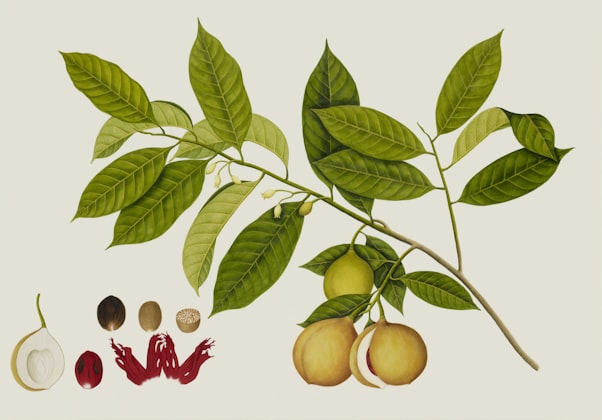 Base / Middle
Styracaceae
Base / Middle
Styracaceae
Storace
 Storace
 Styrax officinalis
Obtained for steam distillation from the resin of Liquidambar orientalis Mill. (storace of Levante, storax, sweet gum oriental) or of Liquidambar styraciflua L. (storace americano), large trees decidui of the Altingiacee originari rispettivaly of the Asia Minor sudoccidental (Turkey, isola of Rodi) and of the North America and central. The storace oriental era gia used in the antichita as ingredient profumiero and medicinal: the Egizi the used as fumigant and frankincense, the Greci as antiseptic and healing. In the Rinascimento European era one of the balsami more prezious in the commercio with the Levante. The phytochemical profile of the storace distillate and dominated from stirene (vinil-benzene: 45-60%) and cannamato of cinnamile (20-35%), with alcohol cinnamic, benzyl-alcohol and traces of vanillina. The cannamato of cinnamile and responsible of the fragrance balsamic-vanigliato-cinnamon characteristic of the storace, with a persistenza excellent from fixative. In perfumery and used as fixative balsamic in the perfumes ambrati, oriental and tabaccati. In aromatherapy and used as antiseptic of the mucous membranes bronchial, balm healing for the wounds cronic, antipruriginous and antifungal topical. Base note balsamic, vanigliata, resinous and warm.
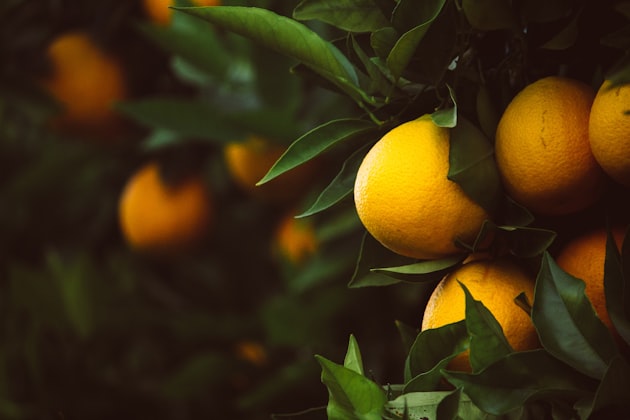 Top
Rutaceae
Top
Rutaceae
Sweet Orange
 Sweet Orange
 Citrus sinensis
Extracted by cold pressing from the fruit peel of Citrus sinensis (L.) Osbeck (orange sweet, orange), citrus fruit of the Rutaceae of origin asiatic (probably hybrid among pomelo and mandarin), cultivated throughout the world warm-temperate as fruit from tavola — Brazil, USA (Florida/California), Spain, Italy, Egypt. is the fruit more product in the world and the its essential oil is one of the ingredient aromatic most widely used in alimentation, bevande, perfumery and aromatherapy for the costo content and the fragrance universally piacevole. The phytochemical profile is dominated by d-limonene (85-96%), with myrcene, α-pinene, linalool and octanal as components minor caratterizzant of the note fruity-floral. In aromatherapy is the primo oil from considerare for the infanzia and the terza età: anxiolytic dolcissimo, toning of the mood, carminative, digestive, antiseptic environmental and immune-stimulating blando. Studies clinic have documented the ridution of the anxiety pre-operatoria with diffusione of orange sweet. Photosensitizing if pressofrigido. The distillate not is photosensitizing. Bright top note, fruity and gioious.
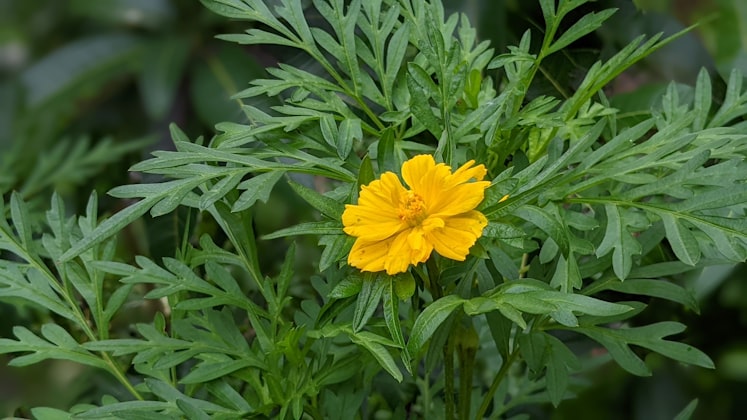 Base
Asteraceae
Base
Asteraceae
Tagete
 Tagete
 Tagetes minuta
Extracted by steam distillation from the parts aeree flowering of Tagetes minuta L. (tagete, wild marigold, khaki weed) or of Tagetes glandulifera Schrank (tagete ghiandolous), plants annual of the Asteracee originarie of the Sudamerica (Argentina, Cile, Bolivia), where crescono spontaneously as erbe infestant on the soils perturbati. In Sudafrica and in the South America the tagete and one of the principal produttori commercial of essential oil. The phytochemical profile is dominated by diidrotagetone (30-55%), trans-ocimene and aromatictriene — ketones and terpeni with properties parassiticide and antifungal eccellent. The tagete and the oil of choice for the fungal infections of the feet resistent (tinea pedis, onychomycosis from dermatofiti), for the verruche skin and for the elimination of the parassiti intestinal. Attenzione: and photosensitizing and dermocaustic to concentrations high; topical use max 0.1%. Not confondere with the tagete of the calendule ornamental. In aromatherapy and used as antifungal powerful, antiparassitario, antiviral (verruche) and as repellent for insects and mosquitoes. Top note pungent, fruity-herbaceous and strongly characteristic.
Tanaceto blue
 Tanaceto blue
 Tanacetum annuum
Extracted by steam distillation from the flowering tops of Tanacetum annuum L. (tanaceto annual, chamomile blue of the Morocco), plant annual of the Asteraceae widespread in the areas aride and roccious of the Morocco northern, where the harvested is effettuata artigianally in the regions of the Atlante and of the pianure coastal. L'oil of tanaceto annual is famoso for the its colore blue intense (deep as the cielo notturno) — determinato dto the high content of chamazulene (10-20%), the sesquiterpene azzurro product during the distillation for trasformation termic of the prochamazuleni. The phytochemical profile include also camfora (10-25%), canfene and β-artabsina, with anti-inflammatory properties, antiallergic and cicatrizzant ben documented. From not confondere with the tanaceto common (Tanacetum vulgare L.), which contains tuioni tossic. In aromatherapy it is used as anti-inflammatory and antiallergic skin, antiistaminic in the reazioni allergic respiratory and skin, antipruriginous and healing. Recommended for eczema, psoriasis, rosacea and allergies stagional. Heart note warm, balsamic and caratteristicaly blue.
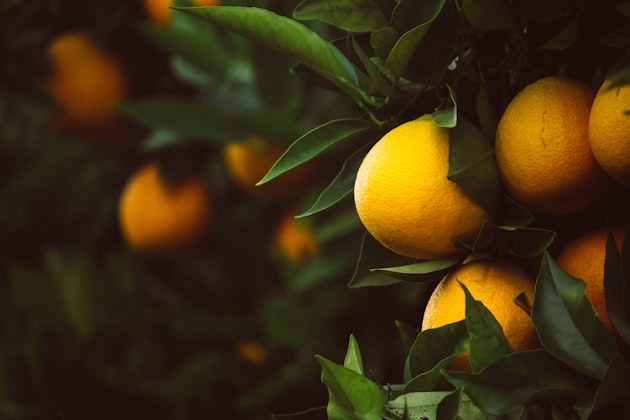 Top
Rutaceae
Top
Rutaceae
Tangerino
 Tangerino
 Citrus tangerina
Extracted by cold pressing or distillation from the fruit peel of Citrus reticulata Blanco (mandarin common) or of varietà as 'Dancy', 'Cleopatra' and 'Sunburst' commercially denominate 'tangerino' — the distintion among mandarin and tangerino is commercial more which botanic, poiché appartengono to the stessa species or to ibridi very prossimi in the ambito of the Rutaceae. The phytochemical profile is dominated by d-limonene (65-80%), γ-terpinene (12-20%) and β-miricene, with linalool and N-metilantranilato of methyl in small amount — quest'ultimo responsible of the note floral warm and fruity which distingue the tangerino from the other citrus fruits of the family. The N-metilantranilato is the component diagnostic of the classe olfattive 'mandarinic', with a profile odorous more morbido and enveloping compared to the lemon or to the grapefruit. In aromatherapy the tangerino is used as anxiolytic sweet, carminative, antispastic digestive and toning of the mood — particularly recommended for children above the 3 years, donne during pregnancy (use prudent) and anziani for the its tollerability skin excellent. Photosensitizing if obtained for pressofrigido. Top note fruity, sweet and floral-arancioata.
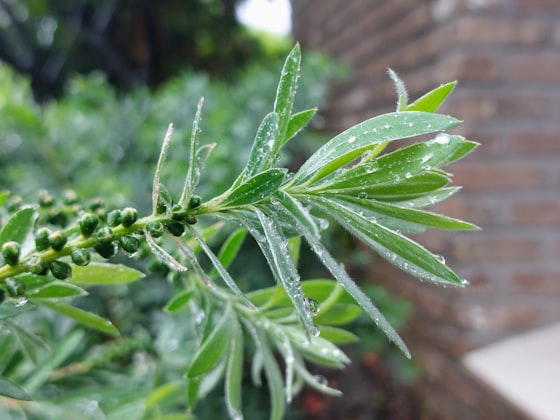 Middle
Myrtaceae
Middle
Myrtaceae
Tea Tree
 Tea Tree
 Melaleuca alternifolia
Extracted by steam distillation from the leaves and from the twigs of Melaleuca alternifolia (Maiden & Betche) Cheel (tea tree, tea tree, melaleuca), shrub or small tree of the Myrtaceae endemic of the New South Wales in Australia, where grows in the wet and marshy coastal areas. The name 'tea tree' was coined from the sailors of James Cook who used the leaves as substitute of tea. L'oil of tea tree is one of the essential oils most studied in the world: over 300 scientific publications document the broad-spectrum antimicrobial properties. The phytochemical profile is defined by the standard ISO 4730:2017, which sets the quality parameters: terpinen-4-olo (>30%), γ-terpinene (10-28%), α-terpinene (5-13%) and 1,8-cineole (<15%). The terpinen-4-olo is the key component with antibacterial activity, antiviral and antifungal documented against MRSA, Candida albicans, HSV and influenza viruses. In aromatherapy is the natural antiseptic of first choice for acne, fungal infections, herpes, wounds and skin infections. Top note medicinal, fresh and caratteristicaly arbustive.
 Top
Cupressaceae
Top
Cupressaceae
Thuja
 Thuja
Thuja Thuja occidentalis
Extracted by steam distillation from the leaves (branches fogliacei) of Thuja occidentalis L. (tuia americana, thuya du Canada, arbor-vitae), conifera of the Cupressacee native of the Canada oriental and of the States Uniti north-oriental, where forma forests in the suoli umidi and on the rive of the laghi. The name indigeno 'arbor-vitae' (tree of the vita) riflette the use medicinal of the popolations algonchine which insegnarono to the coloni europei to usarla against the scorbuto. The phytochemical profile is dominated by tuione α (30-55%) — a chetone biciclic with documented neurotossicity and potenzial convulsivant — and tuione β (5-10%), with fenchone and sabinene. THE tuioni rendono the tuia one of the oils more tossic of the aromatherapy: not deve be used orally, contraindicated during pregnancy (abortive), epilepsy, children and persone anziane. TO doses very low and for via topical (max 0.1%) has antiviral properties (verruche, condilomi), immune-stimulating and antisettic. In aromatherapy moderna is used with estrema caution and only from professionisti esperti. Top note fresh, canforata and terpenic.
Thyme lemon
 Thyme lemon
 Thymus × citriodorus
Extracted by steam distillation from the flowering tops of Thymus × citriodorus (Pers.) Schreb. (thyme lemon, lemon thyme), hybrid of origin incerta among Thymus vulgaris L. and Thymus pulegioides L. of the Lamiaceae, cultivated mainly as aromatic ornamental for the its aroma citrino inconfondible. The phytochemical profile is dominated by geraniol (30-50%) and geranial + nerale (citral: 15-30%), with linalool and terpinen-4-olo — a composition radically different from the thyme common (thymol or carvacrol), more vicina to the palmarosa and to the verbena. This composition provides to the thyme lemon antibacterial properties and antiviral, especially attribuite to the geraniol (active on Candida, MRSA and HSV-2), with a profile of tollerability skin excellent — not irritates né sensibilizza as the thymol. In aromatherapy it is used as antiseptic sweet and versatile, antifungal, immune-stimulating, digestive and as fragrance citrusy-herbaceous very fresh. Recommended for children above the 6 years. Top-to-heart note fresh, limona and slightly herbaceous.
 Base / Middle
Lamiaceae
Base / Middle
Lamiaceae
Thyme linalool
 Thyme linalool
 Thymus vulgaris ct. linalool
Extracted by steam distillation from the flowering tops of Thymus vulgaris L. chemotype linalool, a rare chemotype of the thyme common of the Lamiaceae which si distingue for the elevatissima concentration of linalool invece of the tipici phenols (thymol, carvacrol) or of the ketones. This CT is specific of some popolations localized in the areas montane of the French Provence, of the eastern Spain and of the Italy southern, where conditions particular of elevation and microclimate promote the via biosintetic of the linalool. The phytochemical profile is dominated by linalool (65-85%), with linalyl-acetate, α-terpineol and geraniol — a composition which reminiscent of the wood of rose and the lavender, radically different from the thyme thymol or carvacrol. This composition provides to the thyme linalool a profile of tollerability excellent: not is dermocaustic, not irritates the mucous membranes, not is neurotossic — the 'thyme safe' for children (above the 3 years), anziani and people with sensory skin. In aromatherapy is a antiseptic sweet and polivalent, immune-stimulating, antifungal and antibacterial, anxiolytic and sedative mild. Top-to-heart note floral-herbaceous, fresh and morbida.
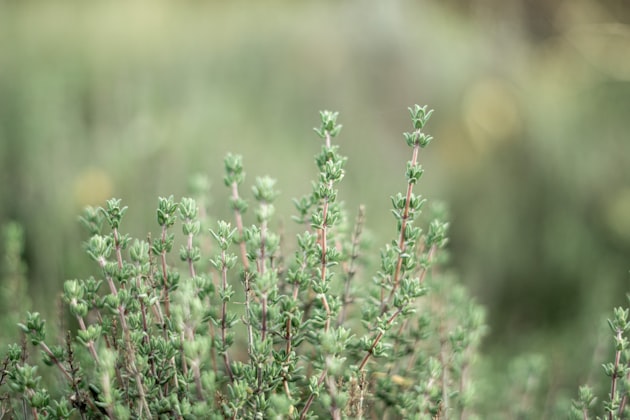 Base
Lamiaceae
Base
Lamiaceae
Thyme red
 Thyme red
 Thymus vulgaris
Extracted by steam distillation from the parts aeree flowering of Thymus vulgaris L. (thyme common, thyme red) parzially ossidato — the oil diventa rossastro for ossidation of the thymol and of the carvacrol in contact with the air and the metallo of the alambicco. The 'thyme red' not and a cultivar or a chemotype botanic distinto, but semplicely the oil of thyme common which has subito a parzial ossidation termic and atmosferic during the distillation traditional in alambicchi of ferro or rame, which catalizzano the conversione of the thymol in timochinone (from the colore rossastro). The timochinone and a powerful antioxidant and antitumoral documented in the studies in vitro and in vivo on tumori of the pancreas and of the colon. The phytochemical profile and analogo to the thyme common CT thymol — thymol (30-55%), carvacrol (5-15%), para-cimene (15-30%) — with aggiunta of timochinone. The properties terapeutic are simili to the thyme common: antibacterial powerful, antiviral, immune-stimulating and tonic. Contraindicated during pregnancy, epilepsy and children. In aromatherapy is used as the thyme common thymol. Top note warm, phenolic, timolic and herbaceous.
 Base
Lamiaceae
Base
Lamiaceae
Thyme white
 Thyme white
 Thymus vulgaris
Extracted by steam distillation from the sommita flowering of Thymus vulgaris L. (thyme white, thyme sweet) — the termine 'white' indica commercially a oil of thyme which has subito a redistillation or a decoloration which rimuove the pigment rossastri of the ossidation and reduces the concentration of phenols causticant, producendo a oil of colore chiaro-giallino less aggressive cutanealy. In some mercati the 'thyme white' and semplicely the CT linalool of the thyme (vedi thyme-linalool), mentre in other indica qualsiasi oil of T. vulgaris decolorato indipendentely from the chemotype. The phytochemical profile of the thyme white redistillato and generally simile to the thyme common (thymol dominant 30-60%) but with ridution of the carvacrol and of the phenols ossidati, and concentrations marginally inferiori of thymol for effect of the seconda distillation. The tollerabilita skin and slightly migliore compared to the thyme red grezzo. In aromatherapy the properties are equivalent to the thyme common CT thymol: antibacterial, antiviral, immune-stimulating and tonic general. Requires comunque diluition adeguata (max 0.5-1% topical). Contraindicated during pregnancy. Top note warm, phenolic, timolic and less aggressive of the thyme red.
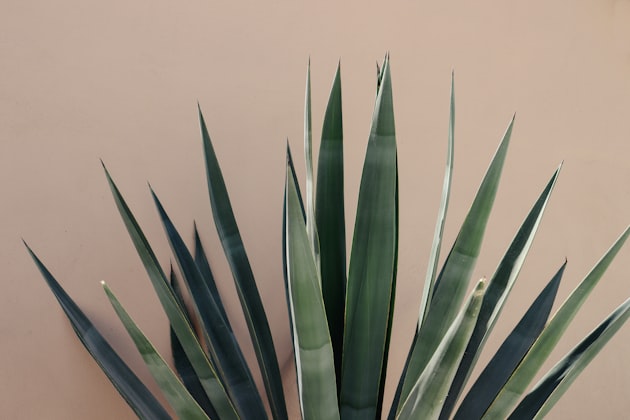 Middle
Asparagaceae
Middle
Asparagaceae
Tuberosa
 Tuberosa
 Agave amica
Obtained for solvent extraction (absolute) or enfleurage from the flowers of Polianthes tuberous L. (tuberous, tubereuse, nard Indian white), plant bulbous perennial of the Asparagacee (ex Agavacee) native of the Messico precolombiano, where the flowers bianchi venivano offerti to the of the Aztechi. The its fragrance white-carneo-intense and considered one of the more sensual and powerful of the world vegetal, and lbased on some in the perfumes more famosi and costous of the storia: Carnal Flower of Frederic Malle, Tubereuse Criminelle of Serge Lutens. The production worldwide si concentra in India (Calcutta), India of the Sud and Morocco. The phytochemical profile and complesso: benzyl-alcohol, methyl-benzoato, estragolo, eugenol, geraniol, nerolo and acid benzoic — a costellation of esters and fenilpropanoidi which genera the intense fragrance carneo-jasmine-narcosic. L'absolute of tuberous has a effect quasi paralizing on the sistema limbic to doses high. In aromatherapy and used as afrodisiaca of large intensita, antidepressant, anxiolytic emotional and as tonic of the sentiment in the crisi sentimental. Heart note floral, carnea, intense, white and sensual.
Turmeric
 Turmeric
 Curcuma longa
Extracted by steam distillation from the rhizomes fresh or dried of Turmeric longa L. (turmeric, curry, zafferano of the Indie), plant herbaceous rizomatous perennial of the Zingiberacee native of the subcontinent Indian (probably India southern or Assam), cultivated in all the fascia tropical umida for use food, cosmetic and medicinal. The curcumina — the pigmento yellow-orange of the rhizome — not is present in the essential oil distillate, the which signific which the oil not has the properties antitumoral studiate for the curcumina. The phytochemical profile of the oil is dominated from ar-turmerone (40-55%), α-turmerone, β-turmerone and zingiberene — sesquiterpenes chetonic and idrocarburic responsible of the aroma intense and spicy. THE turmeroni have dimostrato in vitro to interessant activity neuroprotettrice and neurogenic (stimolation of the cells staminal neural) which has attirato attention in the ricerca on the morbo of Alzheimer. In aromatherapy it is used as digestive powerful, antidolorific joint, stimulating hepatic and as note spicy exotic. Heart note warm, spicy and earthy.
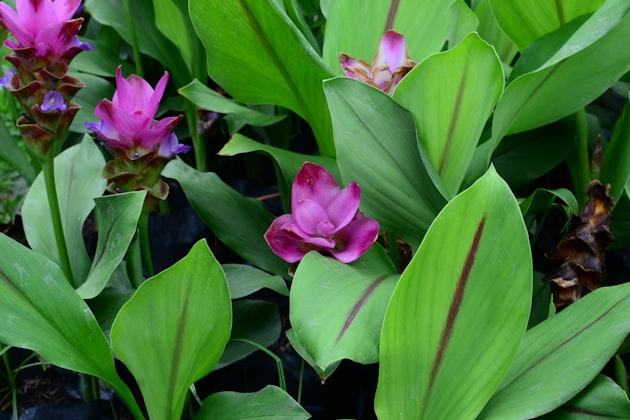 Top / Middle
Zingiberaceae
Top / Middle
Zingiberaceae
Turmeric zedoary
 Turmeric zedoary
 Curcuma zedoaria
Extracted by steam distillation from the rhizomes dried of Turmeric zedoary (Christm.) Roscoe (turmeric zedoary, zedoary, ginger white), plant rizomatous perennial of the Zingiberacee native of the India north-oriental (Assam, Bengal) and of the Indonesia, cultivated in China, Java and Madagascar. The zedoary has a storia medicinal millenaria in Ayurveda (turmeric zedoary = kachura) and in the medicina traditional Chinese, where is classificata as remedy for the stagnation of the qi and of the blood. The phytochemical profile is dominated by curzerenone (25-45%), curzerene and furanodienoide — sesquiterpenes with funzione furanonic responsible of to anti-inflammatory action and gastroprotettive documented. THE sesquiterpenes furanodienoidi have also mostrato in vitro interessant activity antitumoral in the modelli cellulari of cancro to the colon. In aromatherapy it is used as digestive and stomachic powerful (dyspepsia, gastriti), anti-inflammatory visceral, antidolorific and as component of blend esotic speziati. The fragrance is simile to the ginger but more camphorato and less pungent. Heart note warm, spicy and earthy-resinous.
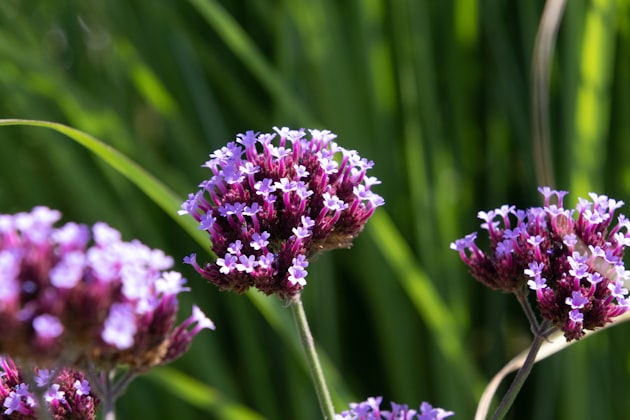 Base
Caprifoliaceae
Base
Caprifoliaceae
Valerian
 Valerian
 Valeriana officinalis
Extracted by steam distillation from the roots dried of Valerian officinalis L. (valerian officinal, herb of the gatti), perennial herbaceous plant of the Caprifoliacee (ex Valerianacee) widespread in all the Europe and the Asia temperata, from the prati umidi to the areas montane up to to 2.000 m. The valerian is the plant sedative more studiata and documented of the medicina western — the sue properties ansiolitic and ipnotic are riconosciute in numerous farmacopee nazional and europee. The phytochemical profile of the essential oil is dominated from bornyl-acetate, isovalerianato of bornyl and camfene, with acid valereanic and valerianolo — the iridoidi (valeropotriati, valeranoni) not si ritrovano in the oil distillate but in the macerato. The mechanism of action coinvolge the receptors GABA-TO (action benzodiazepin-like to basso risk of dipendenza) and the regolation of the serotonin. In aromatherapy the oil is used as sedative of the nervous system central, anxiolytic, ipnotic light and antispastic. The fragrance is intense, earthy and poco gradevole — solitaly mascherato in blend. Base note earthy, muschiata and very persistent.
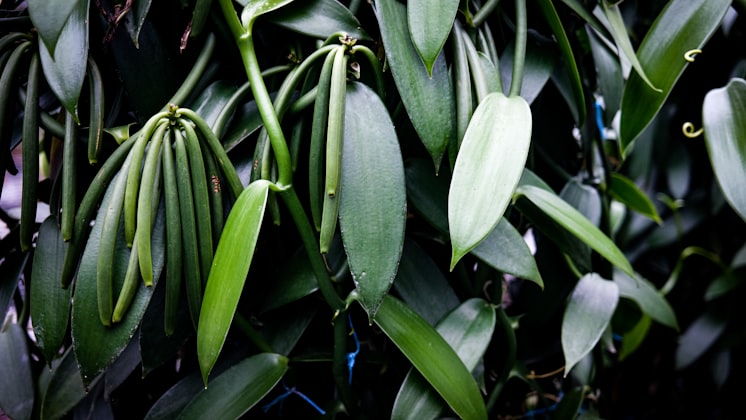 Base
Orchidaceae
Base
Orchidaceae
Vanilla
 Vanilla
 Vanilla planifolia
Obtained for solvent extraction, maceration in alcohol or CO₂ supercritic from the pods fermentati and dried of Vanilla planifolia Andrews (vanilla of the Madagascar or Bourbon), orchidea rampicant of the Orchidacee native of the Messico oriental and of the part atlantic of the America Central, cultivated in piantagioni of altissima intensita of lavoro to Madagascar (70% of the production worldwide), Tahiti, Reunion and Indonesia. The vanillina (4-idrossi-3-metossibenzaldeide) and the molecule main — present up to to the 2% in the pods secchi — insieme to p-idrossibenzaldeide, alcohol atnisic and acid acetic. The vanillina and the molecule more recognized from the cervello umano as gradevole: has affinita with the receptors of the reward and with quelli of tipo oppioide (dolcezza-conforto). In perfumery the extracted of vanilla and a fixative and a base note of alta quality — the more morbida and universal. In aromatherapy has properties ansiolitic, sedative, afrodisiache (psicologicaly) and antidepressant. Base note morbida, warm, sweet and universally piacevole.
 Top
Verbenaceae
Top
Verbenaceae
Verbena common
 Verbena common
 Verbena officinalis
Extracted by steam distillation from the parts aeree flowering of Verbena officinalis L. (verbena common, herba sacra, verbena wild), perennial herbaceous plant of the Verbenacee widespread in Europe, Asia temperata and Nordafrica in the soils incolti, to the margini of the strade and on the slopes calcarei soleggiati. The verbena common and historically a of the plants more sacre of the antichita: the Romani the used for purificare the altari of Giove, the Druidi celti the raccoglievano with riti precisi without toccarla to mano nuda, and the Greci the chiamavano 'hierobotane' (herb sacra). Va distinta from the verbena odorous (Lippia citriodora or Aloysia citrodora), with profile chemical and properties completaly different. The phytochemical profile is dominated by alpha-pinene, beta-pinene and limonene, with verbenalin, eukovoside and nepetalattone in traces. The verbenalin and a iridoide with documented activity sedative and analgesic documented in modelli animal. In aromatherapy and used as sedative of the nervous system, antidolorific in the cefalee tensional, antispasmodic digestive and nervina for chronic stress, esaurimento nervous and insomnia. Top-to-heart note fresh, herbaceous and slightly earthy-green.
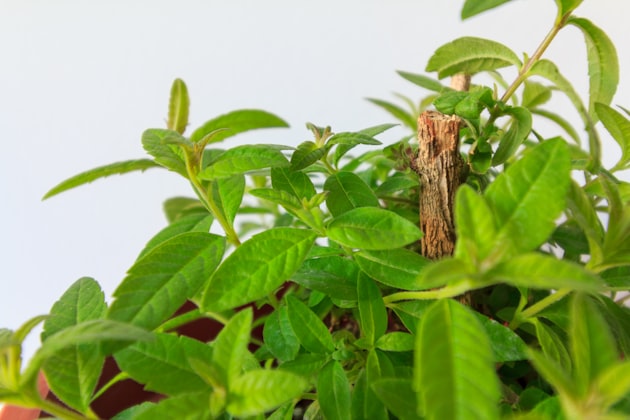 Top
Verbenaceae
Top
Verbenaceae
Verbena odorous
 Verbena odorous
 Aloysia citrodora
Extracted by steam distillation from the leaves and from the twigs of Aloysia citrodora Palau (verbena odorous, verbena lemon, lemon verbena, cedrina), evergreen shrub of the Verbenacee native of the Sudamerica (Cile, Argentina, Peru), today cultivated in the Mediterranean, in Morocco and in Provence. The verbena odorous va distinta from the verbena common (Verbena officinalis) and from the lemongrass (Cymbopogon citratus), with which is talvolta confusa in the commercio for the note limoncina. The phytochemical profile is dominated by citral (geranial + neral: 25-45%), 1,8-cineole (10-20%), limonene (10-15%) and caryofillene, with linalool and geraniol as components minor. The citral and the component main responsible of the action antiviral, anxiolytic and antidepressant of the verbena odorous. L'oil and very expensive for the low resa (200-300 kg of leaves for 1 kg of oil); the adulterations with lemongrass or citral sintetic are frequent. In aromatherapy and used as anxiolytic and antidepressant of alta quality, antiviral and antiseptic gentle, digestive and carminative, febbrifuga and tonic general. Bright top note, limoncina, floral-herbaceous and gentle.
 Base
Poaceae
Base
Poaceae
Vetiver
 Vetiver
 Chrysopogon zizanioides (sin. Vetiveria zizanoides)
Extracted by steam distillation from the roots dried and lavate of Chrysopogon zizanioides (L.) Roberty (sin. Vetiveria zizanioides (L.) Nash), graminacea perennial tropical of the Poaceae native of the India southern (Tamil Nadu, Kerala), now cultivated in all the tropic for the production of essential oil — Haiti, Giava, Reunion, Sri Lanka, Africa Oriental. The vetiver of the isola of Reunion or of the Giava and traditionally considered the more high-quality ('khus' in India). The phytochemical profile and straordinarialy complesso with over 150 sesquiterpenes alcoholic identificati: vetiverol, vetivone, isovalencenol, α and β-vetivone, khusimol — responsible of the aroma of root, earthy, fumoso, slightly affumicato and intensaly persistent. The vetiver and the more powerful fixative natural in perfumery: base note for eccellenza, rallenta the evaporation of all the components of a fragrance. In aromatherapy and used as tonic nervous grounding, anxiolytic deep, circolatorie-venous and adattogeno of the asse ipotalamo-ipofisi-surrene (HPA). Base note earthy, affumicato and fumoso.
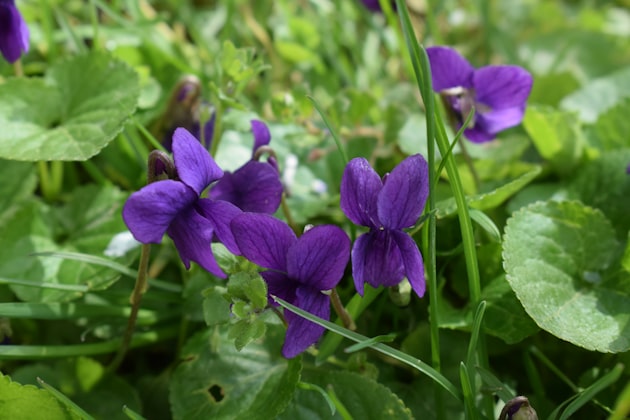 Top / Middle
Violaceae
Top / Middle
Violaceae
Violet
 Violet
 Viola odorata
Obtained for solvent extraction (absolute) from the leaves or from the flowers of Viola odorata L. (violet scented, sweet violet), small perennial herbaceous plant of the Violacee widespread in Europe and Asia temperata in the boschi umidi, to the bordi of the strade and of the campi. L'absolute of violet and among the more difficili and costous in perfumery for the low resa and the complessita chemical. From the punto of vista commercial, si trovano due products distinti: the absolute of leaves (more common, green-herbaceous) and the absolute of flowers (rarissima, floral-cipriata). The phytochemical profile of the absolute of leaves and dominated from benzyl-alcohol, fenilacetaldeide, nonadienal and 2,6-nonadienolo — responsible of the note green-vegetal characteristic. L'absolute of flowers contains iononi (alpha and beta-ionone: note violetto-floral), linalool and geraniol. The fragrance of violet sintetic of the mercato usa prevalentely iononi sintetic. In perfumery, the violet and iconic in the perfumes 'Violet' of the XIX century (Parma, Toulouse) and in the moderni Chypre and Floral. In aromatherapy and used as anxiolytic, antidepressant, afrodisiaca gentle. Heart note floral-cipriata, green, sweet and iononic.
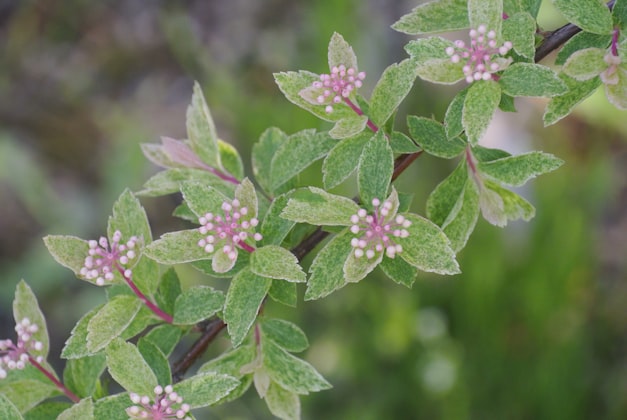 Middle / Top
Ericaceae
Middle / Top
Ericaceae
Wintergreen
 Wintergreen
 Gaultheria procumbens
Extracted by steam distillation from the leaves of Gaultheria procumbens L. (wintergreen, tè of the Canada, tè of montagna), small evergreen shrub of the Ericacee widespread in the boschi decidui of the North America oriental (from the Canada to the Georgia), where the fogliame persiste coperto of neve during all the inverno. The phytochemical profile is almost exclusively composto from salicilato of methyl (95-99%) — the stessa molecule present in the oil of birch sweet (Betula slow) and in the creams analgesic sportive as Tiger Balm and Bengay. The salicilato of methyl is a inhibitor of the COX (cicloossigenasi) topical — a FANS natural — with powerful activity analgesic and anti-inflammatory to livello muscular, joint and tendineo. L'oil of wintergreen is among the more forti analgesic topici natural disponible but has a high profile of risk: is epatotossic and nefrotossic to the doses high orally and may cause reazioni skin severe in people sensible to the aspirina. Contraindicated during pregnancy, children and people in terapia anticoagulant. Use always very diluted (max 2%). Very fresh top note, phenolic and penetrating.
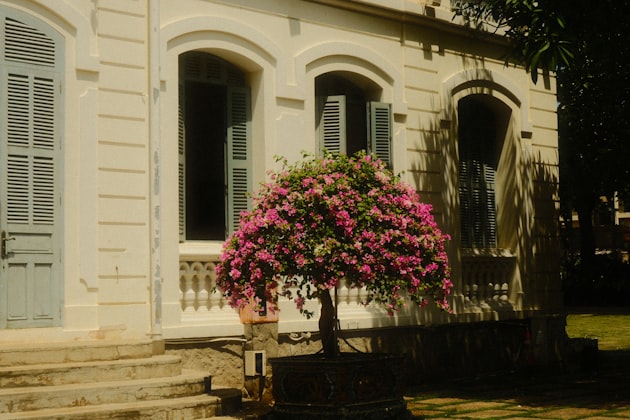 Middle
Lauraceae
Middle
Lauraceae
Wood of Ho
 Wood of Ho
 Cinnamomum camphora ct. linalol
Extracted by steam distillation from the wood of Cinnamomum camphora (L.) J.Presl var. linaloolifera Fujuta (ho wood, wood of ho), chemotype of the canforo native of the China and of the Japan selezionato for the altissimo content of linalool in the wood. The wood of ho is the fonte natural more rich in linalool undiluted among all the essential oils of wood — with concentrations of the 80-95% — and era in passato the main fonte industrial of linalool (sostituita today from the sintesi chemical and dto the extraction from the wood of rose). The phytochemical profile is therefore almost exclusively composto from linalool, with traces of geraniol, α-terpineol and nerol. The properties of the linalool are among the more studiate in letteratura: sedative and anxiolytic with mechanism GABA-ergico documented, antibacterial (active on MRSA), antifungal, analgesic topical and anticonvulsivant in the modelli animal. In aromatherapy the wood of ho is to alternative sustainable to the wood of rose (Aniba rosaeodora) for all the protocolli which richiedono linalool undiluted: anxiety, insomnia, skin infections. Top-to-heart note floral-woody, clean and gentle.
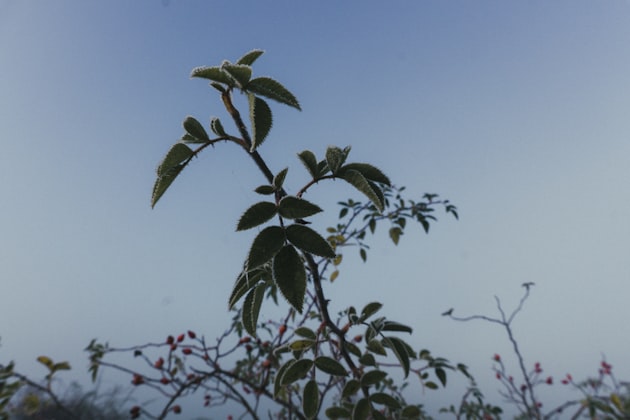 Middle
Lauraceae
Middle
Lauraceae
Wood of rose
 Wood of rose
 Aniba rosaeodora
Extracted by steam distillation from the wood of Aniba rosaeodora Ducke (wood of rose, bois de rose), tree of the Lauracee native of the forest pluvial amazzonic (Brazil, Peru, Guyana French). The wood of rose has subito a gravissimo sovrasfruttamento in the XX century to cause of the richiesta of the perfumery (Chanel No.5 ne conteneva for decenni the ingredient main) and today Aniba rosaeodora and classificata as 'vulnerable' dto the IUCN; the industry has in part passato to the cortecce and to the branches potati and to the cultivation sustainable in agroforesteria. The phytochemical profile and eccezionally semplice: linalool (80-97%), with geraniol, nerol and α-terpineol in traces. L'altissima percentual of linalool provides to the oil properties ansiolitic, sedative, antibacterial and antifungal very pronunciate — the linalool and the monoterpenoide with the more broad documentation on the interation with the receptors GABA. In aromatherapy and used as anxiolytic gentile, as antibacterial skin, as fragrance floral-woody and as toning of the immune system. Top-to-heart note floral-woody and fresh.
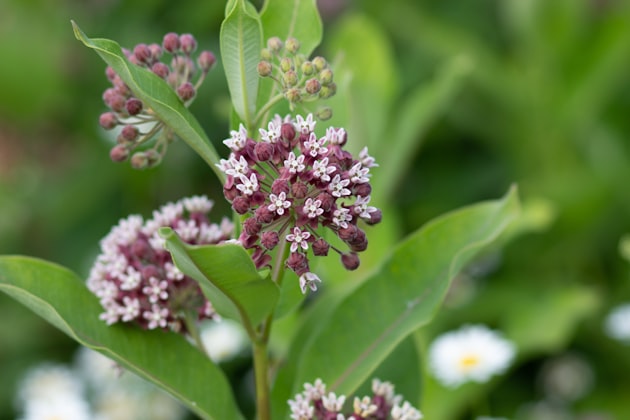 Middle
Asteraceae
Middle
Asteraceae
Yarrow
 Yarrow
 Achillea millefolium
Extracted by steam distillation from the sommita flowering of Yarrow millefolium L. (yarrow millefoglie, yarrow, millefeuglie), perennial herbaceous plant of the Asteracee widespread in Europe, Asia and North America on prati, incolti and margini of strade. The name botanic onora Achille, which secondo Omero avrebbe used this plant for fermare the sanguinamento of the soldati feriti to Troia. The sue properties emostatic are documented scientificaly: the beta-caryophyllene and the achilleina accelerano the coagulation. The phytochemical profile varia enormely among popolations and chemotypes: the chamazulene (blue intense, anti-inflammatory powerful, trasformato in chamazulene dto the isomero proazulene during the distillation) puo be assente (oil incolore) or dominant (oil azzurro-blue); 1,8-cineole (20-40%) and camphor (10-20%) are costant. L'oil blue of yarrow with chamazulene and the more ricercato for the properties anti-inflammatory skin and antiallergic. In aromatherapy and used as emostatic topical, anti-inflammatory (skin, joints), antiallergic, febbrifuga and regolatrice menstrual. Heart note medicinal, green-herbaceous, slightly camphorata.
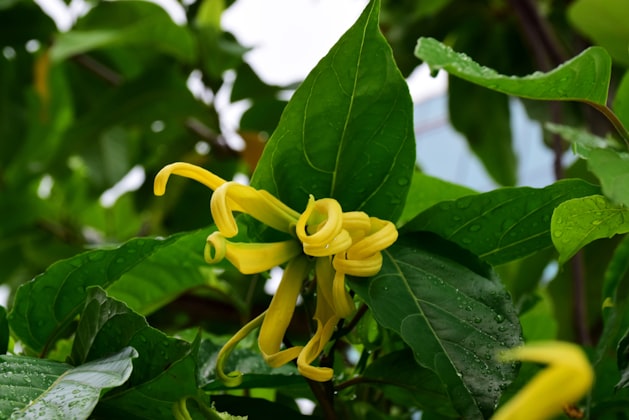 Middle
Annonaceae
Middle
Annonaceae
Ylang Ylang
 Ylang Ylang
 Cananga odorata
Extracted for distillation frazionata in corrent of vapore from the fresh flowers of Cananga odorata (Lam.) Hook.f. & Thomson (ylang ylang, flower of flowers), large tree tropical of the Annonacee native of the Philippines and of the Indonesia, now cultivated mainly in the Comoros Islands (90% of the production worldwide), to Madagascar, in the Philippines and to Réunion. The distillation is condotta in frazioni successive (extra, THE, II, III, completo) with profili chimic and prezzi decrescent — the fraction 'extra', harvested in the first now, is the more high-quality and floral. The phytochemical profile is dominated by germacrene-D (15-25%), linalool (5-20%), β-caryophyllene (8-15%), benzyl-acetate (6-12%) and p-cresile-methyl-etere — a composition complessa of sesquiterpenes and esters aromatic which genera the fragrance floral-sweet-creamy inconfondible. The ylang ylang is one of the components fondamental of the Chanel No. 5 and of molti perfumes oriental and floriental of the XX century. In aromatherapy it is used as sedative of the nervous system and cardiaco (documented ridution of the heart rate and of the blood pressure), antidepressant, aphrodisiac and tonic emotional. The fragrance very intense may cause headache if used in eccesso. Heart note floral, sweet, creamy and oriental.
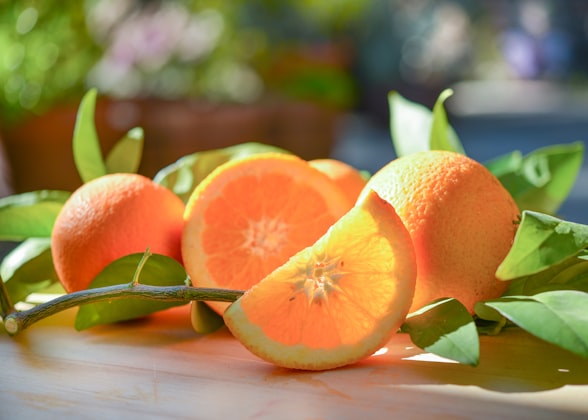 Top
Rutaceae
Top
Rutaceae
Yuzu
 Yuzu
Yuzu Citrus junos
Extracted by cold pressing or steam distillation from the fruit peel of Citrus junos Siebold ex Tanaka (yuzu), citrus fruit of the Rutaceae native of the China (bacino of the fiume Yangtze) and introdotto in Japan more of mille years fa, where is deeply radicato in the cultura culinaria and in the ritual of the bath winter (yuzuyu) — the bath of the solstizio of inverno with fruits interi galleggiant, praticato the 21 dicembre. The phytochemical profile is dominated by limonene (70-80%), γ-terpinene and β-pinene, with linalool, geraniol and a small but characteristic amount of γ-terpinene-4-olo and nootkatone — quest'ultimo condiviso with the grapefruit and responsible of the aroma floral-citrus assolutaly only of the yuzu, inconfondible among all the citrus fruits. In aromatherapy it is used as tonic of the nervous system, anxiolytic sweet, antioxidant and as fragrance winter rallegrant. The ritual yuzuyu is documented with effects benefic on peripheral circulation and state of mood in the months freddi. Photosensitizing if obtained for pressofrigido. Bright top note, floral-citrus, with sfumatura muschiata only.